Market Trends
Buying an Independent House vs Apartment: Which Is Better?

23 Apr 2026
Market Trends
23 Apr 2026
Content
No Blogs content found
It looks like there haven’t been any blogs yet!
India's residential real estate market has experienced significant transformation, with JLL reporting that despite an 11% decline in total sales to 270,323 units in 2025, premium housing sales above ₹1 crore increased by 6% year on year. This shift reflects changing buyer preferences between independent houses and apartments, making the choice between these property types increasingly important for homebuyers. Understanding the fundamental differences in ownership, costs, and usage helps buyers make informed decisions based on their specific requirements and financial capacity.
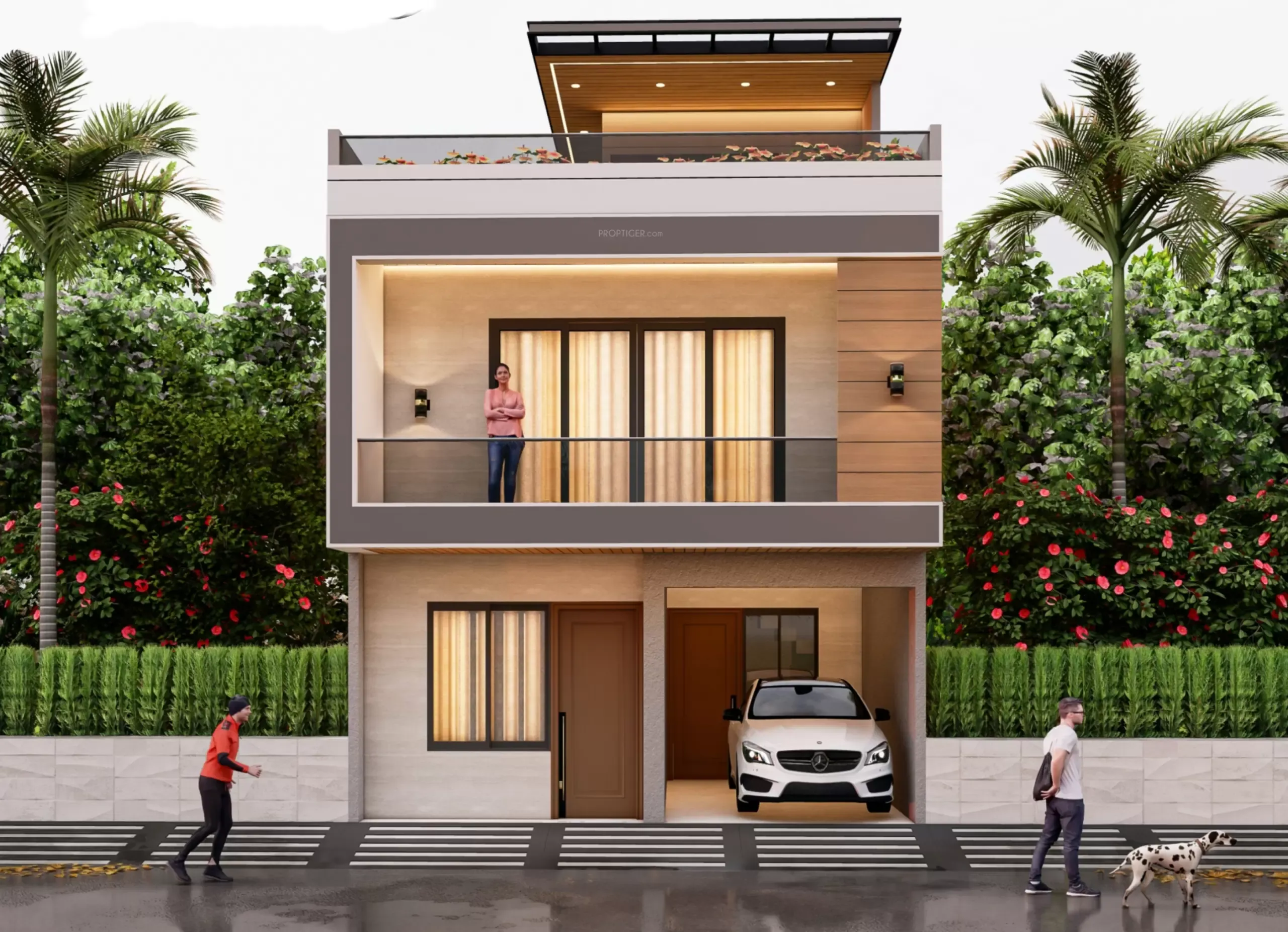
An independent house represents complete ownership of both the structure and the land on which it stands. Buyers acquire full legal rights to the property, including the ability to modify, expand, or redevelop the structure according to local regulations. Independent houses typically feature private outdoor spaces, dedicated parking areas, and separate utility connections.
Ownership of an independent house provides complete control over property decisions, maintenance schedules, and usage policies. The buyer holds clear title to the land, which appreciates independently of any building structure. This ownership model offers maximum flexibility for customization and future development while requiring direct responsibility for all property management aspects.
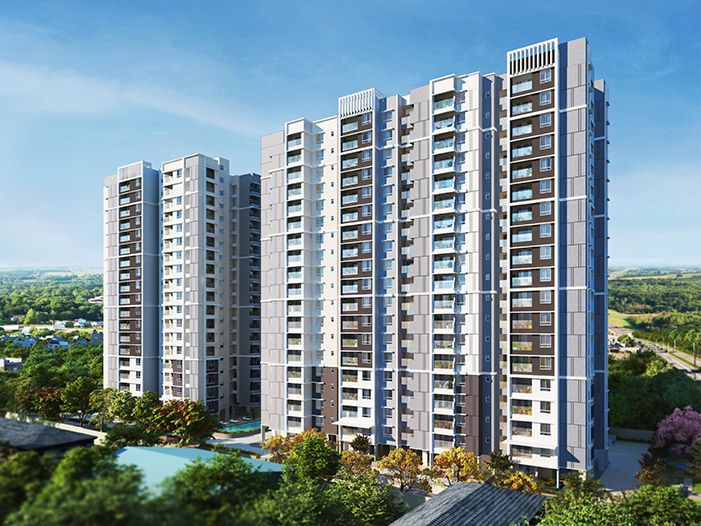
Apartment ownership involves purchasing a specific unit within a larger residential complex or building. Buyers receive ownership rights to their individual unit plus an undivided share in common areas including lobbies, elevators, recreational facilities, and land. This ownership structure operates through registered housing societies or apartment associations.
Apartment ownership includes mandatory participation in building management through maintenance charges and society governance. Owners share decision making authority for common areas and building policies while maintaining complete control over their individual units. This model provides access to shared amenities and professional management services while limiting individual property modification rights.
Independent houses command premium pricing due to land ownership and larger built areas. Knight Frank data shows properties priced above ₹1 crore accounted for 50% of total housing sales in 2025, with independent houses typically priced 30-50% higher than comparable apartments in the same location.
Apartments offer more affordable entry points for homeownership, particularly in urban areas where land costs are prohibitive for individual buyers. The shared land cost across multiple units reduces per unit pricing significantly.
Independent houses incur higher stamp duty and registration charges due to larger transaction values and land component pricing. Stamp duty rates vary by state but typically range from 3-7% of property value.
Apartments benefit from lower absolute registration costs due to smaller transaction values, though the percentage rates remain similar. Some states offer reduced stamp duty rates for apartments to encourage urban housing development.
Independent houses require owners to handle all maintenance directly, including structural repairs, utilities, security, and landscaping. Annual maintenance costs typically range from 1-3% of property value depending on age and condition.
Apartments distribute maintenance costs across all owners through monthly charges that cover common area upkeep, security, utilities, and professional management. Individual unit maintenance remains the owner's responsibility.
Independent house buyers acquire complete ownership of the land parcel, providing rights to modify, expand, or redevelop the property subject to local regulations. Land ownership offers protection against inflation and provides long term appreciation potential independent of building depreciation.
Apartment owners receive an undivided share in the total land area proportional to their unit size. This shared ownership limits individual rights to modify common areas or building structure while providing access to larger land parcels than individual buyers could typically afford.
Independent houses typically offer larger built areas with private outdoor spaces including gardens, terraces, and courtyards. The absence of shared walls allows for more flexible internal layouts and room configurations.
Apartments provide defined living spaces within building constraints. While modern apartments offer efficient space utilization, total area including private outdoor space remains limited compared to independent houses.
Independent houses allow for future expansion through additional construction, subject to local building regulations and available land area. Owners can add floors, extend existing structures, or develop unused land portions.
Apartments restrict expansion to internal modifications within the unit boundaries. Structural changes require society approval and must comply with building regulations, limiting expansion possibilities significantly.
Independent house owners manage all property aspects directly, from routine maintenance to major repairs. This responsibility provides complete control over service quality, timing, and costs but requires active involvement and coordination with multiple service providers.
Apartment complexes operate through professional management companies or resident committees that handle common area maintenance, security, and building services. This system reduces individual owner responsibilities while potentially limiting control over service standards and timing.
Independent houses require owners to arrange private security measures including locks, alarm systems, and potentially security personnel. The isolated nature of independent houses may increase security risks but provides complete privacy.
Apartment complexes typically feature comprehensive security systems including 24 hour guards, controlled access, CCTV monitoring, and visitor management. These shared security measures offer enhanced protection but may include restrictions on guest access and timing.
Independent houses may include private amenities like swimming pools, gardens, and recreational areas, but these require individual investment and maintenance. Most independent houses rely on external facilities for amenities like gymnasiums or community centers.
Apartment complexes often feature extensive shared amenities including gymnasiums, swimming pools, community halls, children's play areas, and recreational facilities. Access to these amenities is included in maintenance charges, providing cost effective access to facilities that would be expensive to maintain individually.
Independent houses typically require longer marketing periods due to higher prices and smaller buyer pools. The unique nature of each property may limit standardized pricing and require specialized marketing approaches.
Apartments generally offer better liquidity due to standardized units, lower price points, and larger buyer markets. The availability of comparable sales data facilitates easier pricing and faster transactions.
CBRE reports that high end housing dominated India's 2025 sales, with the segment accounting for nearly 27% of total residential sales. However, apartments continue to show stronger overall demand due to affordability and urban location advantages.
Apartments typically generate higher rental yields due to strong tenant demand for managed living environments, urban locations, and amenities. The standardized nature of apartment units appeals to a broader tenant base including young professionals and nuclear families.
Independent houses command higher absolute rental amounts but may experience longer vacancy periods and more limited tenant pools. The higher maintenance responsibilities may deter some potential tenants while attracting families seeking privacy and space.
Independent 3BHK House (1,500 sq ft built area)
3BHK Apartment (1,200 sq ft)
Independent 3BHK House (1,800 sq ft built area)
3BHK Apartment (1,400 sq ft)
Families planning to stay in the same location for 10+ years benefit from independent house ownership through complete control over property modifications and long term land appreciation. The ability to customize and expand the property according to changing family needs provides significant value over extended periods.
Investors seeking land appreciation and protection against inflation find independent houses attractive due to the land component that appreciates independently of building depreciation. Land ownership provides hedge against currency devaluation and offers potential for future development.
Large families or multi generational households benefit from the space, privacy, and flexibility offered by independent houses. The ability to accommodate extended family members, create separate living areas, and maintain private outdoor spaces makes independent houses suitable for complex family structures.
New homebuyers often find apartments more accessible due to lower entry costs, standardized documentation, and professional management systems. The reduced complexity of apartment ownership and maintenance makes them suitable for buyers with limited property management experience.
Buyers with limited budgets can access better locations and amenities through apartment ownership compared to independent houses in the same area. The shared cost structure makes urban living more affordable while providing access to facilities that would be expensive to maintain individually.
Real estate investors often prefer apartments due to better liquidity, standardized rental markets, and lower management requirements. The ease of buying and selling apartments, combined with steady rental demand, makes them attractive for investment portfolios.
JLL data shows apartments valued at ₹1 crore and above recorded 4% year on year growth in sales during the first nine months of 2025, despite a 12% decline in overall unit sales.
"Premium housing sales above INR 10 million increased 6% year-on-year despite 11% overall market decline" — JLL
Indian Express reports that public sector banks strengthened their hold on home loan originations, with their share jumping from 37.6% in Q1 FY25 to 46.2% in Q1 FY26, indicating continued strong financing support for residential purchases.
The CBRE India Market Monitor Q4 2025 Report shows both housing sales and new launches crossed 270,000 units during 2025, with premium, luxury, and high end housing driving this growth.
Housing finance data indicates robust market fundamentals, with outstanding home loan portfolios growing at 12.8% to reach ₹41.2 lakh crore as of June 2026, supporting continued demand for both independent houses and apartments.
Calculate total cost of ownership including purchase price, registration charges, loan interest, maintenance, and property taxes. Compare this against household income to ensure housing costs remain within 30-40% of monthly earnings. Consider the impact of down payment requirements on savings and emergency funds.
Evaluate proximity to the workplace, schools, healthcare, and transportation infrastructure. Consider future development plans for the area and their impact on property values and quality of life. Assess the trade offs between location convenience and property type preferences.
Verify all necessary approvals including building permits, environmental clearances, and title documents. For apartments, review society registration, building completion certificates, and occupancy permits. For independent houses, confirm clear land titles, survey settlements, and local authority approvals.
Assess loan eligibility and interest rates for different property types. Some lenders offer preferential rates for apartments in approved projects while others may require higher down payments for independent houses. Compare total financing costs across different property options.
Research historical price appreciation trends for both property types in the target location. Consider demographic changes, infrastructure development, and urban planning policies that may affect future demand and resale values.
Monitor market cycles and seasonal trends to identify optimal purchase timing. Real estate markets typically show slower activity during monsoon months and festival seasons, potentially creating negotiation opportunities. Track interest rate cycles and government policy announcements that may affect pricing and financing costs.
Research comparable sales data for similar properties to establish fair market values. For apartments, compare prices across different floors, orientations, and amenities to identify value opportunities. For independent houses, evaluate land rates, construction costs, and neighborhood pricing trends to support negotiation positions.
Consider group buying arrangements where multiple buyers purchase adjacent plots or units to achieve better pricing through bulk negotiations. This approach works particularly well for independent house purchases in developing areas where developers offer discounts for multiple unit sales.
Explore pre launch and under construction opportunities that typically offer 10-20% discounts compared to ready to move properties. However, factors in construction delays, interest costs during construction, and completion risks when evaluating these options.
The choice between buying an independent house versus an apartment depends on individual financial capacity, lifestyle preferences, and long term goals. Independent houses provide complete ownership, privacy, and expansion flexibility but require higher investment and direct management responsibilities. Apartments offer affordability, professional management, and urban convenience while limiting ownership rights and customization options.
Current market data shows continued strength in premium housing segments, with both property types experiencing growth in higher price categories. Successful property purchase decisions require careful evaluation of total ownership costs, location advantages, and alignment with personal requirements rather than focusing solely on initial purchase prices.
Buyers should prioritize their core needs while remaining flexible on secondary preferences to optimize both cost and satisfaction in their property investment choice.
Contact Us
Fill out this form
& we'll get back
to you
Recommended for you