Vastu Shastra
Griha Pravesh Muhurat 2026: Complete Guide to Auspicious Dates and Rituals

06 Feb 2026
Vastu Shastra
06 Feb 2026
Content
No Blogs content found
It looks like there haven’t been any blogs yet!
Griha Pravesh is the traditional Hindu housewarming ceremony performed before moving into a new home. The term comes from Sanskrit where "Griha" means house and "Pravesh" means entry. This sacred ritual marks the first entry into a newly constructed or renovated house and invokes divine blessings for peace, prosperity, and happiness.
The ceremony purifies the house, removes negative energies, corrects Vastu doshas, and establishes positive vibrations. Performing Griha Pravesh on an auspicious muhurat ensures the well being of all residents and protects the family from obstacles, health issues, and financial problems.
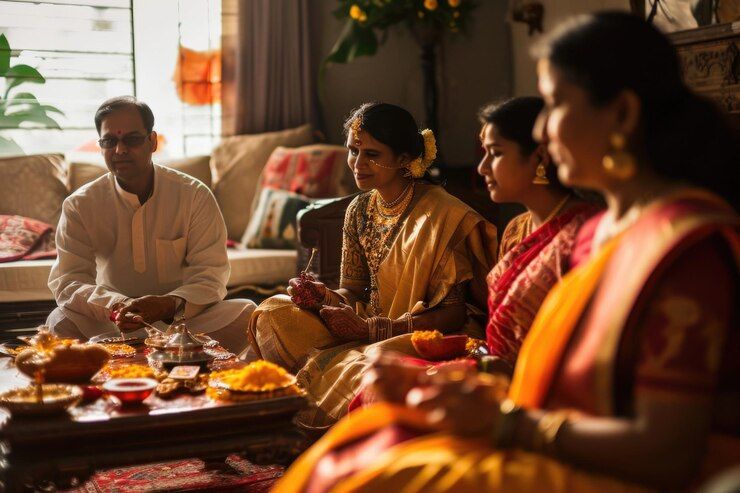
Apoorva Griha Pravesh is performed when entering a newly constructed house for the first time. This is the most elaborate ceremony requiring complete Vastu Puja, Navagraha Puja, and Havan. The house should be fully completed with doors, windows, electrical fittings, plumbing, and flooring before performing this ceremony.
Sapoorva Griha Pravesh is performed when re-entering a house after major renovation, reconstruction, or repair work. This ceremony is simpler than Apoorva but still requires proper rituals to purify the renovated space and restore positive energy.
Dwandwah Griha Pravesh is performed when re-entering the house after returning from a long journey, pilgrimage, or extended absence. This simple ceremony purifies the house and re-establishes the family's connection with the home.
Griha Pravesh holds profound religious importance in Hindu tradition. The ceremony invokes blessings from multiple deities:
The mantras chanted during the ceremony create powerful vibrations that permeate every corner of the house. These sacred sounds align the dwelling with cosmic energies and establish a protective shield against negative forces.
Even if construction followed Vastu principles, the Griha Pravesh ceremony purifies residual negative energy from:
The Vastu Puja performed during Griha Pravesh establishes harmony between the five elements (Pancha Mahabhuta):
Proper Griha Pravesh ensures physical and mental health of residents:
The ceremony attracts wealth and financial stability:
Griha Pravesh strengthens family bonds:
The ceremony creates a protective shield:
Auspicious Griha Pravesh Muhurat dates are determined using the Hindu Panchang, which evaluates a combination of tithi (lunar day), nakshatra (constellation), vaar (weekday), and planetary positions to identify time periods considered supportive for entering a new home.
In 2026, auspicious muhurats are spread unevenly across the year, with certain months offering multiple suitable dates while others have none due to unfavourable astrological configurations such as Chaturmas, Khar Maas, eclipses, or prolonged inauspicious yogas. Months like February, March, May, June, and July are generally regarded as more favourable, whereas January and parts of the monsoon period may have limited or no recommended dates according to most Panchangs. It is important to understand that these dates are general muhurats, meant for broad guidance, and exact timings can vary based on geographic location and the Panchang system being followed.
For precise execution, factors such as local sunrise, city longitude, and family horoscope may slightly alter the final muhurat window. While selecting an auspicious date is traditionally believed to enhance harmony, stability, and prosperity in the household, practical readiness of the home and conscious intent to reside are equally important. Therefore, 2026 Griha Pravesh muhurats should be used as a planning framework rather than an absolute constraint.
No auspicious Griha Pravesh muhurat is generally available in January 2026 according to most Panchangs due to unfavourable planetary alignments and inauspicious lunar combinations. Families planning possession during this period usually perform Griha Pravesh in February or conduct a simplified entry with a later Vastu Shanti.
| Date | Day | Tithi | Nakshatra | Muhurat |
|---|---|---|---|---|
| February 6, 2026 | Friday | Shashthi, Panchami | Chitra, Hasta | 12:23 AM to 01:18 AM, Feb 07 |
| February 11, 2026 | Wednesday | Dashami, Navami | Jyeshtha, Anuradha | 09:58 AM to 10:53 AM |
| February 19, 2026 | Thursday | Tritiya | Uttara Bhadrapada | 08:52 PM to 06:55 AM, Feb 20 |
| February 20, 2026 | Friday | Tritiya | Uttara Bhadrapada | 06:55 AM to 02:38 PM |
| February 21, 2026 | Saturday | Panchami | Revati | 01:00 PM to 07:07 PM |
| February 25, 2026 | Wednesday | Dashami | Mrigashira | 02:40 AM to 06:49 AM, Feb 26 |
| February 26, 2026 | Thursday | Dashami | Mrigashira | 06:49 AM to 12:11 PM |
| Date | Day | Tithi | Nakshatra | Muhurat |
|---|---|---|---|---|
| March 4, 2026 | Wednesday | Tritiya | Rohini | 06:47 AM to 12:24 PM |
| March 5, 2026 | Thursday | Tritiya | Rohini | 12:24 PM to 06:45 PM |
| March 9, 2026 | Monday | Saptami | Punarvasu | 06:42 AM to 01:36 PM |
| March 13, 2026 | Friday | Ekadashi | Uttara Phalguni | 10:18 AM to 06:37 PM |
| March 14, 2026 | Saturday | Dwadashi | Uttara Phalguni | 06:36 AM to 10:16 AM |
No auspicious Griha Pravesh muhurat is generally recommended in April 2026, mainly due to overlapping inauspicious yogas and the beginning of unfavourable astrological periods. Most families defer ceremonies to May.
| Date | Day | Tithi | Nakshatra | Muhurat |
|---|---|---|---|---|
| May 4, 2026 | Monday | Tritiya | Rohini | 06:08 AM to 11:54 AM |
| May 8, 2026 | Friday | Saptami | Pushya | 06:05 AM to 01:29 PM |
| May 13, 2026 | Wednesday | Dwadashi | Hasta | 09:38 AM to 06:01 PM |
| Date | Day | Tithi | Nakshatra | Muhurat |
|---|---|---|---|---|
| June 24, 2026 | Wednesday | Dashami | Hasta | 05:56 AM to 11:51 AM |
| June 26, 2026 | Friday | Dwadashi | Swati | 05:57 AM to 01:42 PM |
| June 27, 2026 | Saturday | Trayodashi | Swati | 01:42 PM to 07:22 PM |
| Date | Day | Tithi | Nakshatra | Muhurat |
|---|---|---|---|---|
| July 1, 2026 | Wednesday | Dwitiya | Rohini | 05:59 AM to 11:48 AM |
| July 2, 2026 | Thursday | Tritiya | Rohini | 11:48 AM to 05:58 PM |
| July 6, 2026 | Monday | Saptami | Pushya | 05:59 AM to 01:24 PM |
No auspicious Griha Pravesh muhurat is advised in August 2026, primarily due to Shravan Maas, which traditionally restricts house-warming ceremonies in most regions.
No generally accepted muhurat is available in September 2026, as this period coincides with unfavourable lunar phases and major observances.
| Date | Day | Tithi | Nakshatra | Muhurat |
|---|---|---|---|---|
| October 22, 2026 | Thursday | Dwitiya | Anuradha | 06:24 AM to 12:02 PM |
| October 23, 2026 | Friday | Tritiya | Anuradha | 12:02 PM to 06:23 PM |
| October 28, 2026 | Wednesday | Saptami | Uttarashadha | 06:27 AM to 11:58 AM |
| Date | Day | Tithi | Nakshatra | Muhurat |
|---|---|---|---|---|
| November 2, 2026 | Monday | Tritiya | Anuradha | 06:32 AM to 12:09 PM |
| November 6, 2026 | Friday | Saptami | Uttarashadha | 06:35 AM to 01:18 PM |
| November 14, 2026 | Saturday | Ekadashi | Revati | 09:42 AM to 06:41 PM |
| Date | Day | Tithi | Nakshatra | Muhurat |
|---|---|---|---|---|
| December 2, 2026 | Wednesday | Dwitiya | Rohini | 06:49 AM to 12:21 PM |
| December 5, 2026 | Saturday | Panchami | Mrigashira | 08:58 AM to 06:53 PM |
| December 6, 2026 | Sunday | Shashthi | Mrigashira | 06:53 AM to 10:44 AM |
Nakshatra (constellation) plays a crucial role in determining auspicious muhurat for Griha Pravesh. Certain nakshatras are highly favorable while others should be avoided.
Also Read:- House Facing Direction in Vastu Shastra: Meaning, Methods & Room-Wise Guidelines
Focus on choosing a time that supports purification and balance of the living space rather than rigid date perfection. Ideally, the muhurat should fall on an auspicious tithi such as Dwitiya, Tritiya, Panchami, Saptami, Dashami, Ekadashi, or Trayodashi, combined with favourable nakshatras like Rohini, Mrigashira, Hasta, Swati, Anuradha, or Revati.
The ceremony should always be performed during daylight hours and outside inauspicious periods such as Rahu Kaal, Yamagandh, Gulika Kaal, eclipses, and Amavasya. Unlike Griha Pravesh, Vastu Shanti is more flexible and can be conducted even after moving in, making it suitable for cases involving renovation, delayed possession, or earlier non-muhurat entry. Local Panchang timings based on sunrise and location should be preferred over generic date lists.
Graha Shanti Puja is a ritual rooted in Sanskrit tradition, where the word Graha refers to planets and Shanti means peace. The puja is performed to calm and balance the influence of the nine planets, known as the Navagraha, which are believed to affect different aspects of human life. Graha Shanti Puja is commonly conducted during the Griha Pravesh ceremony and is often combined with Vastu Shanti Puja to create a harmonious and positive environment in a new home.
According to Vastu and astrology, planetary positions play an important role in determining auspicious timings and overall well being of the residents. The puja is intended to reduce negative planetary effects and invite favourable energies into the house. Special attention is given to certain planets while selecting the muhurat. Jupiter, also known as Brihaspati, represents growth, wisdom, and prosperity and is ideally strong and unafflicted during the ceremony.
Mercury, or Budh, is associated with communication, intelligence, and harmony, making its favourable placement important for peaceful household relationships. Mars, known as Mangal, is closely linked to property and construction and a balanced position of this planet is believed to bring stability, safety, and protection to the home.
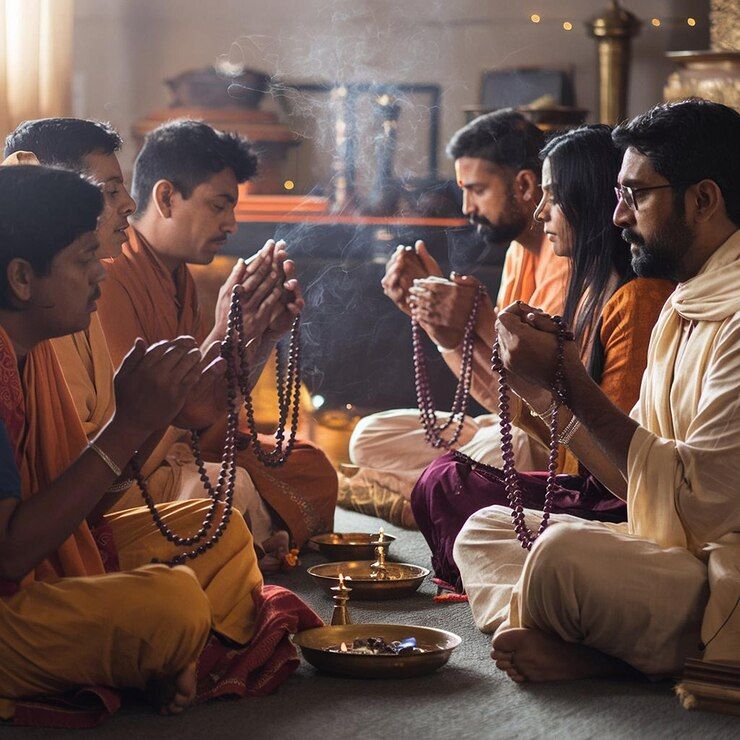
Calculating a Griha Pravesh Muhurat is a structured astrological process rooted in the Hindu Panchang and classical Jyotish principles. It is not based on a single factor but on the alignment of multiple elements that together determine whether a time period is supportive for entering a new home.
The first and most important factor is the nakshatra. Certain constellations such as Rohini, Mrigashira, Uttara Phalguni, Hasta, Swati, Anuradha, and Revati are traditionally considered favourable for Griha Pravesh because they are associated with stability, growth, prosperity, and harmony. Nakshatras like Ashlesha, Jyeshtha, Moola, and Ardra are generally avoided.
Next, astrologers examine planetary positions, especially benefic planets like Jupiter (Brihaspati) and Venus (Shukra). Jupiter represents growth, wisdom, and expansion, while Venus signifies comfort, happiness, and domestic harmony.
Their strength and placement are checked to ensure they are not combust, retrograde in a harmful manner, or afflicted by malefic planets such as Saturn, Rahu, or Ketu. The condition of Mars (Mangal) is also reviewed, as it is closely connected to land, construction, and property matters.
The Lagna or ascendant at the time of entry is another critical component. A favourable Lagna that does not suffer from major planetary afflictions is preferred, as it symbolises the foundation of life in the new house. In many cases, astrologers also compare the Lagna with the occupants’ birth charts to avoid clashes with sensitive planetary periods such as major Dashas.
Local sunrise and sunset timings are used to calculate the muhurat accurately, as Panchang calculations are location-specific. Griha Pravesh is usually performed during daylight hours within a stable and auspicious window, avoiding late-night or highly volatile planetary transitions. The positions of the Sun and Moon are also analysed to ensure emotional stability and continuity.
While general muhurat lists provide broad guidance, many families opt for a personalised muhurat by considering the horoscope of the head of the household or primary residents. This helps avoid conflicts with ongoing Dashas, transits, or doshas. The lunar calendar in use and the presence of Adhik Maas are also taken into account, as these can alter the suitability of dates.
Lord Ganesha is worshipped first to remove obstacles and ensure smooth ceremony.
Ganesh Mantras: "Om Gan Ganapataye Namah" "Vakratunda Mahakaya Surya Koti Samaprabha Nirvighnam Kuru Me Deva Sarva Karyeshu Sarvada"
Kalash represents the universe and divine presence.
Kalash Mantra: "Kalashaya Namah" "Gange Cha Yamune Chaiva Godavari Saraswati Narmade Sindhu Kaveri Jalesmin Sannidhim Kuru"
Worshipping Vastu Purush and directional deities.
Worship eight directional deities:
East: Indra
Southeast: Agni
South: Yama
Southwest: Nirrti
West: Varuna
Northwest: Vayu
North: Kubera
Northeast: Ishana
Offer flowers in each direction
Light lamps in all directions
Sprinkle holy water in all directions
Chant Vastu mantras
Seek blessings for harmony
Vastu Mantras: "Om Vastu Purushaya Namah" "Om Vastu Devaya Namah" "Om Prithvyai Namah" (Earth) "Om Aapah Namah" (Water) "Om Agnaye Namah" (Fire) "Om Vayave Namah" (Air) "Om Akashaya Namah" (Space)
Worshipping nine planets for favorable influences.
Navagraha Mantras: "Om Suryaya Namah" "Om Chandraya Namah" "Om Mangalaya Namah" "Om Budhaya Namah" "Om Gurave Namah" "Om Shukraya Namah" "Om Shanaye Namah" "Om Rahave Namah" "Om Ketave Namah"
Worshipping for wealth and protection.
Sacred fire ceremony for purification.
Havan Mantras: "Om Agnaye Namah Swaha" "Om Vastu Devaya Swaha" "Om Griha Devaya Swaha"
Formal entry into a new home.
Dispelling darkness and negative energy.
Charity and blessings.
Inauspicious Dates and Times
(Timings vary by location, check local Panchang)
Choghadiya is a traditional Vedic time division system used to further refine the muhurat. The daytime and nighttime are each divided into seven time segments, and every segment carries a specific qualitative nature. These are Shubh, Labh, Amrit, Chal, Udveg, Kal, and Rog.
Among these, Amrit is considered the most auspicious, followed by Shubh and Labh, making them ideal for Griha Pravesh. Chal is treated as neutral and is sometimes accepted when no better option is available. Udveg, Kal, and Rog are avoided as they are associated with stress, loss, and obstacles. Choghadiya is not used independently but as a supporting layer to confirm or refine an already favourable muhurat window.
A personalised Griha Pravesh Muhurat is calculated by matching the ceremony timing with an individual’s birth chart, also known as the horoscope or Kundli. Unlike general muhurat lists, this approach focuses on aligning the planetary influences of the occupants with the energy of the new home.
Astrologers primarily study the planetary positions in the birth chart, especially the strength and placement of benefic planets such as Jupiter and Venus, which are linked to prosperity, comfort, and domestic happiness. The individual’s birth nakshatra is also analysed to ensure the selected date does not conflict with sensitive lunar phases or ongoing planetary periods.
Another key step is ruling out the adverse influence of malefic planets like Saturn, Rahu, and Ketu, particularly if they affect houses related to residence, wealth, or relationships in the chart. The running Dasha and major transits are checked to avoid periods that may create instability or stress. This personalised method is often recommended when families face constraints such as delayed possession, relocation due to work, or previous entry without a muhurat, as it allows flexibility while maintaining astrological balance.
In the Hindu lunar calendar, tithis represent the lunar days formed by the angular relationship between the Sun and the Moon.
While no tithi works in isolation, certain tithis are traditionally considered supportive for Griha Pravesh when combined with favourable nakshatras, weekdays, and planetary conditions. For the years 2025 and 2026, the following tithis are most commonly recommended by Panchang and Jyotish traditions.
Certain weekdays are preferred for Griha Pravesh based on their planetary rulers.
However, if a Griha Pravesh date falls on a Tuesday or Saturday and changing the date is not possible, the ceremony may still be performed by carefully selecting a favourable tithi and nakshatra, and strictly avoiding inauspicious periods such as Rahu Kaal, Yamagandh, and other unfavourable time windows.
Certain Hindu festivals are traditionally considered highly auspicious for new beginnings, making them favourable for Griha Pravesh when combined with a suitable muhurat.
| Date | Day | Festival |
|---|---|---|
| January 23, 2026 | Friday | Basant Panchami |
| April 19, 2026 | Sunday | Akshaya Tritiya |
| October 20, 2026 | Tuesday | Dussehra |
| November 6, 2026 | Friday | Dhanteras |
| November 8, 2026 | Sunday | Diwali |
Festivals like Basant Panchami and Akshaya Tritiya are especially valued because they symbolise growth, knowledge, and inexhaustible prosperity, often allowing ceremonies even without detailed muhurat calculations.
Some festivals are associated with emotional intensity, social obligations, or symbolic destruction and renewal, making them unsuitable for house entry ceremonies.
| Date | Day | Festival |
|---|---|---|
| March 4, 2026 | Friday | Holi |
| August 28, 2026 | Sunday | Raksha Bandhan |
These days are generally avoided for Griha Pravesh, even if other astrological factors appear favourable.
The Lagna or ascendant at the time of entry represents the energetic foundation of life in the new home. Certain ascendants are traditionally preferred because they indicate stability, continuity, and prosperity.
**Fixed Ascendants (Highly Stable) **
Fixed ascendants are considered especially favourable for long-term residence, as they symbolise permanence and strength.
**Dual Ascendants (Balanced and Adaptive) **
Dual ascendants are suitable when flexibility, growth, and adaptability are required, especially in modern living situations such as apartments or job-related relocations.
In the Hindu lunar system, tithis play a crucial role in determining the suitability of any auspicious activity. For Griha Pravesh, the Shukla Paksha, or the bright half of the lunar month, is generally preferred as it symbolises growth, expansion, and positive momentum.
The following tithis are traditionally considered favourable when supported by an auspicious nakshatra and weekday:
| Auspicious Tithi | Traditional Significance |
|---|---|
| Dwitiya (2nd) | Balance, cooperation, and new beginnings |
| Tritiya (3rd) | Growth, prosperity, and continuity |
| Panchami (5th) | Stability, nourishment, and long-term success |
| Saptami (7th) | Progress and establishment |
| Dashami (10th) | Strength and removal of obstacles |
| Ekadashi (11th) | Purification and discipline |
| Trayodashi (13th) | Protection and overcoming difficulties |
The Moon, which governs the mind and emotional stability, is especially important in Griha Pravesh considerations. If the Moon is transiting the 4th, 6th, 8th, or 12th house from the native’s birth chart at the time of entry, astrologers often advise avoiding that period, as these placements may indicate emotional disturbance or instability during settlement.
From a Vastu perspective, Griha Pravesh is recommended even for rented houses, as every living space carries its own energy imprint. Performing a simplified ceremony helps cleanse residual energies from previous occupants and creates a sense of psychological and spiritual ownership.
However, an elaborate ritual is not mandatory. A simple havan, lamp lighting, or Ganesh puja is usually sufficient to activate and harmonise the space. The emphasis in rented homes is on purification and peace rather than long-term astrological alignment.
Boiling milk until it overflows is a symbolic ritual representing abundance, continuity, and prosperity. According to Vastu Shastra, this ritual should ideally be performed during the chosen Griha Pravesh muhurat, preferably in the early morning hours when the environment is calm and sattvic. The vessel is traditionally placed in the kitchen or near the cooking area, and the first boil marks the formal activation of the household’s energy.
If Griha Pravesh occurs at an inauspicious time due to unavoidable circumstances, traditional remedies are believed to help restore balance.
These remedies emphasise that while muhurat is important, conscious corrective actions and disciplined living play a larger role in creating a harmonious home.
Classical Vastu and ritual texts emphasise that Griha Pravesh is not the end of the process but the beginning of habitation discipline. Ancient domestic manuals such as the Grihya Sutras and later Vastu texts explain that the days immediately following entry are crucial for stabilising the energy of the house. Post Griha Pravesh conduct is therefore meant to anchor positivity, continuity, and order in the living space.
Regular Ganesh Puja and Graha Shanti worship are recommended in the initial period, as Lord Ganesha is invoked for removing obstacles and the Navagrahas are associated with sustaining balance in daily life. Texts such as the Atharva Veda emphasise protection of the dwelling through fire, prayer, and disciplined living rather than one-time rituals. Essential Practices After Griha Pravesh
Traditional practice encourages distribution of prasad and a simple meal shared with family or guests, symbolising acceptance of the house as a living space. Applying tilak on the main entrance and internal doors is believed to mark the transition from ritual space to inhabited space. Performing a Satyanarayan Vrat, ideally in the morning hours, is widely followed to reinforce truth, stability, and household harmony.
Scriptural commentaries advise that the family should stay at least one night in the house and avoid leaving it vacant for the first few days. This practice reflects the idea found in the Grihya Sutras that continuity of presence helps stabilise domestic energy.
Vastu texts such as the Mayamata and Manasara emphasise that weight distribution within a house affects stability. Heavy furniture should preferably be placed in the southwest direction, which represents grounding and permanence.
Shifting extremely heavy furniture on the same day as Griha Pravesh is traditionally avoided, as the house is considered energetically sensitive at that time. Light and essential items may be moved immediately, while heavier objects can be placed after a day or two.
Broken furniture, cracked mirrors, or clutter are discouraged, especially in the southwest and northeast zones, as these are believed to disrupt the balance of the Vastu Purusha Mandala.
Classical Vastu recommends the presence of living elements to maintain harmony between the built environment and nature. Sacred plants such as Tulsi are traditionally placed in the northeast or east, as mentioned in Puranic references where Tulsi is associated with purity and protection. Plants like money plant, bamboo, and jasmine are commonly used today for similar symbolic and environmental reasons, provided they are healthy and well maintained.
Griha Pravesh rituals can be traced to early domestic rites described in the Grihya Sutras, where the ceremony was known as Griha Arambha or Gruha Arambha Vidhi. The intention was to align the household with cosmic order or Rita, rather than merely selecting a favourable date.
Boiling milk until it overflows symbolises abundance and continuity. While modern explanations refer to hygiene, traditional texts treat this act as a symbolic invocation of nourishment and prosperity, reflecting agrarian values where milk represented sustenance and wealth.
While ancient texts emphasised physical presence, modern life has introduced flexibility. Online participation, virtual priest guidance, and digital organisation of rituals are contemporary adaptations that preserve intent while accommodating distance. Increasingly, female priests, multilingual ceremonies, and simplified rituals reflect social change without contradicting core principles.
Environmental awareness has also shaped modern Griha Pravesh practices. Use of natural materials, flowers, leaves, oil lamps, and minimal waste aligns well with Vedic thought, which consistently emphasises harmony with nature.
While the spiritual intent of Griha Pravesh remains consistent across India welcoming prosperity, protection, and harmony the ritual expressions vary widely by region. These variations are influenced by local deities, agrarian practices, climate, folk traditions, and dominant philosophical schools. Below is a comprehensive overview of how different parts of India observe Griha Pravesh during auspicious festivals and occasions.
In Punjab, Griha Pravesh is a celebratory community event. The ceremony is often accompanied by dhol beats and bhangra, reflecting joy and abundance. A common ritual involves pouring milk or curd at the entrance, symbolising nourishment and prosperity. Holy water is sprinkled inside the house to purify the space before prayers are offered.
Families perform Ganesh Puja and Satyanarayan Katha, followed by lighting diyas in all rooms. In many households, the first meal cooked is offered to the deities before being shared with family members. The focus is on gratitude, continuity, and household stability.
Rajasthani families often bring a lit diya or sacred fire from the previous home to the new house. This ritual symbolises the uninterrupted flow of prosperity and lineage energy. Fire is treated as a witness to transition and continuity rather than separation.
Lord Ganesha is central to Griha Pravesh in Maharashtra. Ganapati Homam, Lakshmi Puja, and Patt Puja are commonly performed to honour the land and foundation. The rituals emphasise obstacle removal, financial stability, and orderly settlement.
In Gujarat, Griha Pravesh is often aligned with festivals like Akshaya Tritiya and Diwali. Families draw rangoli with auspicious symbols, worship Goddess Lakshmi, and place silver coins or grains near the entrance to signify wealth and abundance.
The ceremony includes boiling milk until it overflows, drawing kolam with rice flour, and lighting lamps in the kitchen and pooja room. Neem and mango leaf torans are hung to protect against negative influences. Agni is invoked as the guardian of the household.
Families perform Vastu Homa and Ganapati Puja, followed by offering cooked rice and jaggery. The emphasis is on purification of space and balance between natural elements.
Griha Pravesh often includes Vishnu or Venkateswara Puja. Women carry a pot of water and rice into the house, symbolising fertility and prosperity. The kitchen is activated early as a sign of abundance.
Kerala households typically perform a Vishnu or Lakshmi Puja, offering coconuts, rice, and plantain leaves. The rituals are simple and devotional, reflecting harmony and preservation rather than grandeur.
The Griha Pravesh Anjali ritual involves offering rice and prayers to the house deity. Women create alpona designs using rice paste to invite Goddess Lakshmi. The focus is on grace, beauty, and prosperity.
In Assam, Griha Pravesh includes aarti accompanied by Bihu folk songs, blending devotion with music. Sound and rhythm are believed to cleanse the environment and bring joy into the household.
Families perform Jagannath Puja, offering rice, flowers, and lamps. The ceremony emphasises protection, order, and divine guardianship of the home.
Griha Pravesh rituals here often combine tribal and Vedic elements. Havan, coconut breaking, and worship of local deities are common. Families prioritise purification and ancestral blessings.
House entry ceremonies involve fire rituals, village deity worship, and bell ringing to ward off negative forces. The emphasis is on protection from natural elements and long-term stability.
The best nakshatras for Griha Pravesh in 2026 are Rohini, Pushya, Uttara Phalguni, Uttara Ashadha, and Uttara Bhadrapada. Rohini is considered the most auspicious nakshatra for house entry as it brings growth, prosperity, and stability. Pushya nakshatra is also highly favorable as it ensures nourishment and abundance. These nakshatras ruled by benefic planets create lasting positive effects.
The best months for Griha Pravesh in 2026 are November (8+ dates, including Diwali), February (7 dates), March (5 dates), and December (4 dates, before Kharmas). Avoid August completely (no dates available) and the Chaturmas period (mid-July to mid-November). January, April, and early July also have limited but highly auspicious dates.
Saturday and Tuesday are generally avoided for Griha Pravesh. Saturday is ruled by Shani (Saturn) which brings delays and obstacles. Tuesday is ruled by Mangal (Mars) which creates aggression and conflicts. However, if the nakshatra, tithi, and other factors are highly favorable, and if recommended by an expert astrologer, these days can be considered. Thursday, Monday, Wednesday, Friday, and Sunday are preferred days.
Griha Pravesh is not mandatory for rented houses, but performing simple rituals is beneficial. You can do a simplified version with basic Ganesh Puja, lighting lamps, sprinkling holy water, and breaking coconut at entrance. This purifies the space and creates positive energy. Full elaborate ceremony is required only for newly constructed or purchased houses.
Griha Pravesh is the housewarming ceremony performed when entering a new house for the first time. Vastu Shanti is a separate ceremony performed to correct Vastu doshas and establish harmony with directional energies. Vastu Shanti can be performed along with Griha Pravesh or separately at any time. Griha Pravesh is done once, while Vastu Shanti can be repeated if needed.
Yes, Griha Pravesh can be performed during pregnancy. However, the pregnant woman should avoid heavy physical work, smoke from Havan, and stress. She can participate in prayers and rituals while sitting comfortably. Ensure proper ventilation during Havan. Some traditions prefer to wait until after delivery, but there is no strict prohibition. Consult family elders and doctor.
If you have already shifted without performing Griha Pravesh, you can still perform the ceremony. Select an auspicious muhurat from the verified 2026 dates listed in this guide, clean the house thoroughly, and perform complete Griha Pravesh with Vastu Shanti Puja. It is better late than never. The ceremony will still purify the house, remove negative energies, and bring divine blessings.
Griha Pravesh ceremony cost varies based on scale and location. Minimal ceremony costs ₹5,000 to ₹10,000 (basic puja with 3 Brahmins). Standard ceremony costs ₹15,000 to ₹30,000 (complete rituals with 5-7 Brahmins). Elaborate ceremony costs ₹50,000 to ₹1,00,000 (grand celebration with many guests). Grand ceremony costs ₹1,00,000 and above (large scale event). Costs include priest dakshina, puja materials, food, decoration, and charity.
Yes, you can perform Griha Pravesh without a priest if you cannot afford one or if no priest is available. Learn basic rituals from elders or online resources. Follow the step by step procedure with devotion and sincerity. Chant simple mantras like "Om Gan Ganapataye Namah" and "Om Vastu Purushaya Namah." The key is devotion, not elaborate rituals. However, having a knowledgeable priest ensures proper Vedic procedures.
While entering the new house during Griha Pravesh, carry these auspicious items: Kalash filled with water, Ganesha idol or picture, Lakshmi idol, holy books (Bhagavad Gita, Ramayana), silver or gold items, grains (rice, wheat), sweets, fruits, money or coins, and lit lamp. The head of family enters first carrying Kalash or Ganesha idol, followed by wife with aarti thali, then other family members.
Yes, Akshaya Tritiya is the most auspicious day for Griha Pravesh. It falls on April 19, 2026 (Sunday). On this day, no muhurat is needed as the entire day is considered favorable. Any activity started on Akshaya Tritiya brings everlasting prosperity and success. This is one of the four most auspicious days in Hindu calendar. Many people prefer Akshaya Tritiya for house entry.
Traditionally, no furniture or belongings should be moved before Griha Pravesh ceremony. The house should be empty when the ceremony is performed. However, if absolutely necessary, you can move basic items like cleaning supplies and temporary seating. Avoid moving beds, personal belongings, electronics, and valuable items. The correct sequence is: complete construction, perform Griha Pravesh, then move furniture and belongings.
Bhadra Kaal is an inauspicious period that occurs daily for approximately 3 to 4 hours. It is ruled by Bhadra, considered unfavorable for auspicious activities. Starting Griha Pravesh during Bhadra Kaal can bring obstacles and problems. Check Panchang for exact Bhadra timings on your chosen date. Avoid starting the ceremony during this period. If Bhadra occurs in the middle of ceremony, it is acceptable to continue.
After Griha Pravesh, keep lamps burning in all rooms for at least 3 hours. Some traditions recommend keeping lamps burning for the entire first day and night. Others suggest lighting lamps daily for 11 days or 21 days after Griha Pravesh. At minimum, light lamps in the pooja room daily morning and evening. This maintains positive energy and divine presence in the new home.
Boiling milk during Griha Pravesh is the first cooking activity in the new kitchen. It symbolizes prosperity, abundance, and nourishment. The milk overflowing represents wealth and happiness flowing into the home. The sweet milk (with sugar and cardamom) represents sweetness in family relationships. This ritual ensures the kitchen will always have food and the family will never face scarcity. The prepared kheer or payasam is offered to deities and distributed as prasad.
Contact Us
Fill out this form
& we'll get back
to you
Recommended for you