Market Trends
Gwal Pahari Gurgaon: Premium Green Locality
16 Jan 2026
Market Trends
16 Jan 2026
Content
No Blogs content found
It looks like there haven’t been any blogs yet!
Gwal Pahari in Gurgaon represents one of the most unique residential localities in the National Capital Region, combining the tranquility of Aravalli foothills with proximity to major employment hubs. Located in South Gurgaon near the Delhi Gurgaon border, this low density green zone has emerged as a preferred destination for homebuyers seeking peaceful living without sacrificing urban connectivity.
The locality spans across Sector 2 Gwal Pahari Gurgaon and surrounding areas, offering a mix of luxury apartments, independent villas, and gated communities. Unlike the dense urban development characterizing most of Gurgaon, Gwal Pahari maintains a village-like charm with wide roads, green spaces, and lower population density.
This comprehensive guide covers everything you need to know about Gwal Pahari Gurugram, from connectivity and infrastructure to property prices, investment potential, and quality of life factors. Whether you are considering purchasing property in Gwal Pahari Gurgaon or simply researching the area, this guide provides detailed insights based on current market data and resident experiences.
Gwal Pahari is located in South Gurgaon, approximately 12 to 15 kilometers from the main city center. The locality sits in the Aravalli region, nestled in the foothills of the Aravalli mountain range that runs through Haryana and Rajasthan.
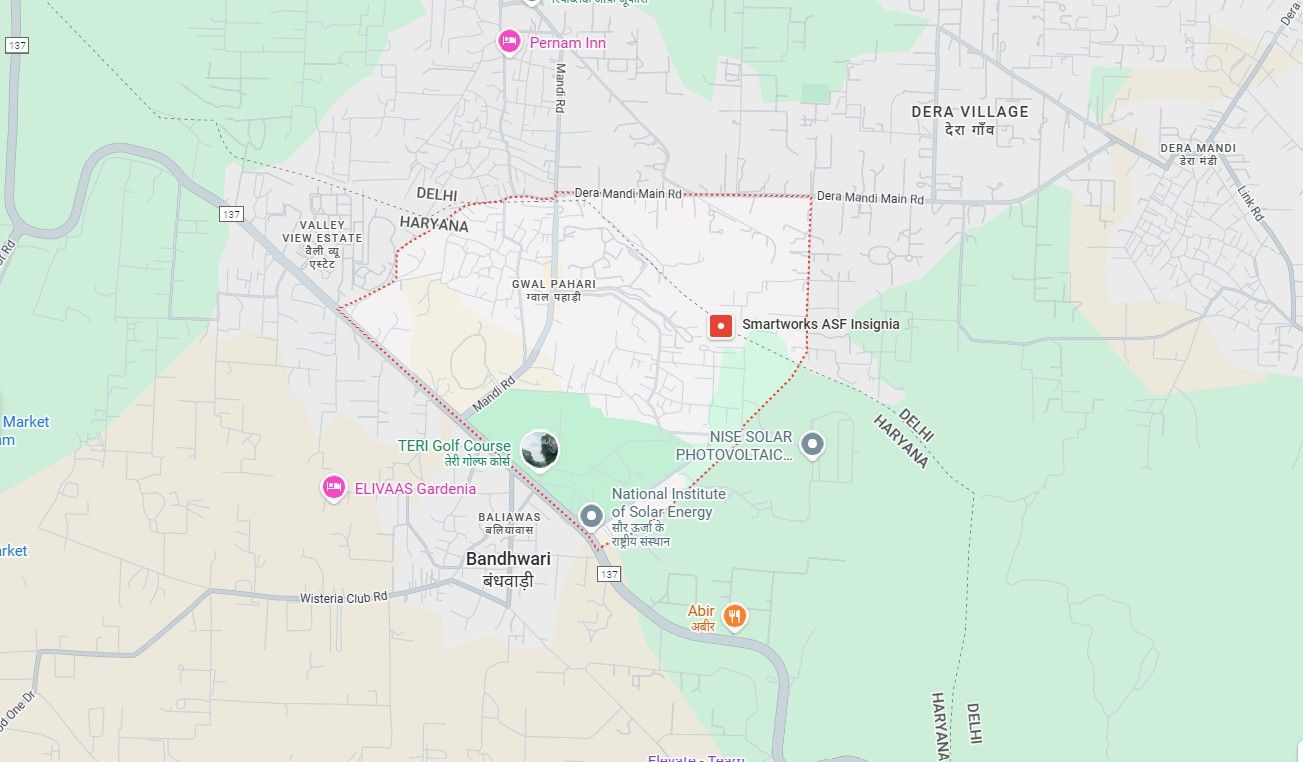
The area is positioned strategically near the Gurgaon Faridabad road, providing connectivity to both cities. The locality falls under the jurisdiction of Gurgaon district in Haryana state, though its proximity to Delhi makes it attractive to professionals working in both cities.
The primary pin code for Gwal Pahari is 122003. Some parts of the extended area may fall under adjacent pin codes including 122002 and 122001, depending on the specific location within the broader Gwal Pahari region.
Gwal Pahari is bounded by several prominent localities and landmarks:
North: Vasant Kunj and Chhatarpur areas of South Delhi East: Faridabad district boundary South: Extended Aravalli range and rural Haryana West: Golf Course Road extension and DLF Phase 1
The locality's position near the Delhi Gurgaon border makes it accessible from multiple directions. Residents can reach South Delhi areas like Vasant Kunj in 15 to 20 minutes, while Gurgaon's commercial hubs like Cyber City are 25 to 30 minutes away during non peak hours.
| Area | Distance from Gwal Pahari | Travel Time |
|---|---|---|
| Golf Course Road | 8–10 km | 20–25 minutes |
| DLF Phase 1 | 10–12 km | 25–30 minutes |
| Cyber City | 12–15 km | 30–35 minutes |
| Vasant Kunj | 6–8 km | 15–20 minutes |
| Chhatarpur | 5–7 km | 12–18 minutes |
| MG Road | 10–12 km | 25–30 minutes |
| IGI Airport | 18–22 km | 35–45 minutes |
Gwal Pahari road connectivity has improved significantly over the past decade, though it remains less developed compared to central Gurgaon areas.
Gurgaon Faridabad Road: The primary access route connecting Gwal Pahari to both Gurgaon and Faridabad. This road handles significant traffic during peak hours but provides direct connectivity to major employment zones.
Mehrauli Gurgaon Road: Connects Gwal Pahari to South Delhi areas including Mehrauli, Chhatarpur, and Vasant Kunj. This route is popular for residents commuting to Delhi.
NH 48 Connectivity: The locality has access to National Highway 48 (formerly NH 8) through connecting roads, providing long distance connectivity to Jaipur and other cities.
The internal roads within Gwal Pahari village and residential complexes vary in quality. Gated communities maintain well paved internal roads, while some village roads remain unpaved or in need of maintenance. The Haryana government has undertaken road widening and improvement projects in recent years.
The nearest metro station to Gwal Pahari is Arjan Garh Metro Station on the Yellow Line, located about 8–10 km away. Other nearby options include Sikanderpur Metro Station, around 10–12 km from Gwal Pahari.
The lack of direct metro connectivity within walking distance represents one of the primary challenges for Gwal Pahari residents. Most residents rely on personal vehicles or cab services for daily commutes. However, the proposed metro extension plans may include stations closer to Gwal Pahari in future phases.
Public transportation options in Gwal Pahari remain limited compared to central Gurgaon areas.
The limited public transport infrastructure makes personal vehicle ownership almost essential for residents, particularly for daily office commutes.
Gwal Pahari's location provides reasonable access to major employment zones in both Gurgaon and Delhi.
| Employment Hub | Distance | Travel Time (Non-Peak) | Travel Time (Peak) |
|---|---|---|---|
| Cyber City | 12–15 km | 25–30 minutes | 45–60 minutes |
| Udyog Vihar | 14–16 km | 30–35 minutes | 50–70 minutes |
| DLF Cyber Hub | 10–12 km | 25–30 minutes | 40–55 minutes |
| Golf Course Road Offices | 8–10 km | 20–25 minutes | 35–45 minutes |
| Vasant Kunj Offices | 6–8 km | 15–20 minutes | 25–35 minutes |
| Saket District Centre | 10–12 km | 25–30 minutes | 40–50 minutes |
The commute times increase significantly during peak hours (8 to 10 AM and 6 to 8 PM) due to traffic congestion on connecting roads. Residents working in Cyber City or Udyog Vihar should factor in 45 to 70 minutes for their daily commute during peak hours.
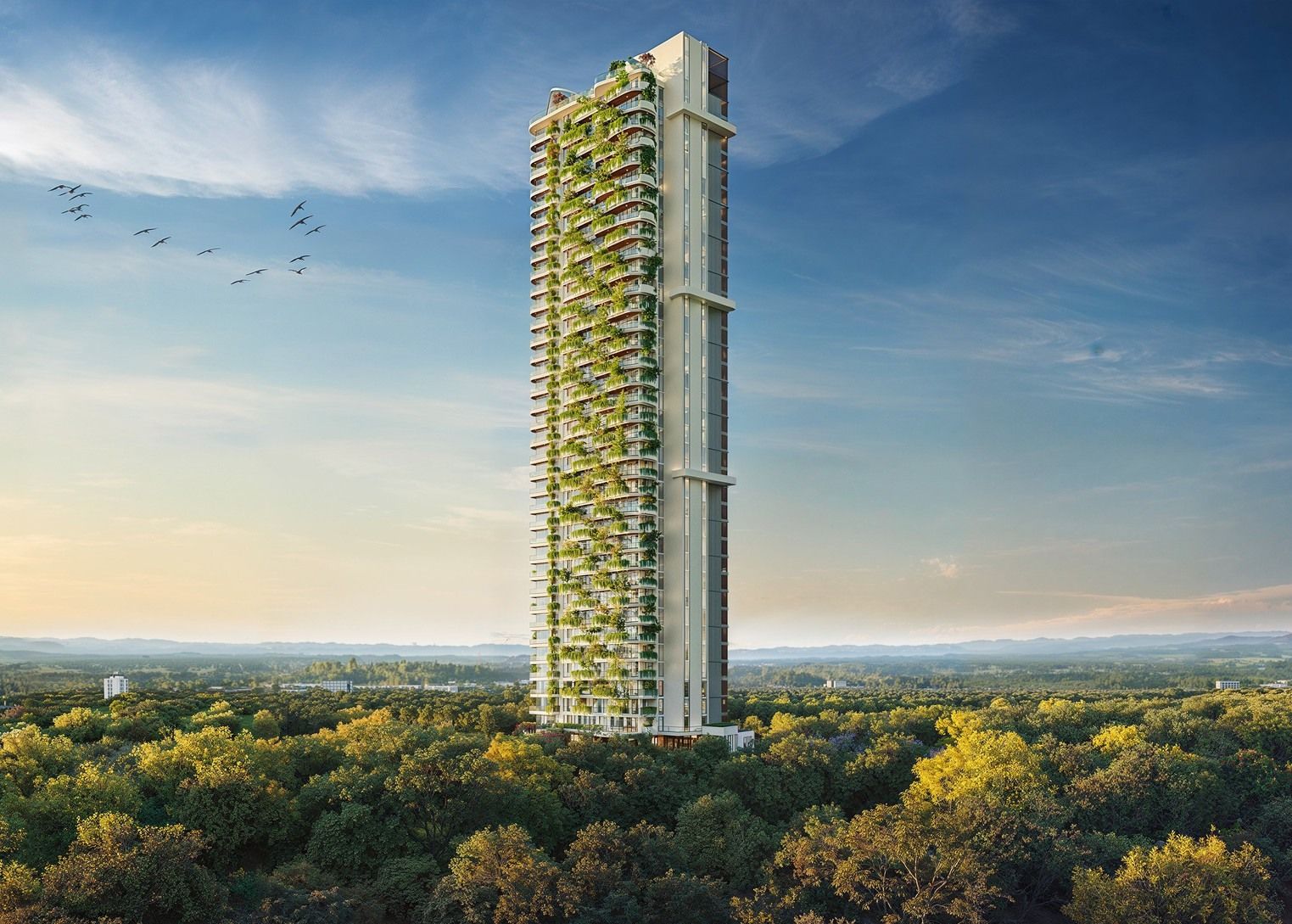
The real estate market in Gwal Pahari Gurgaon offers diverse property options catering to different buyer segments.
Several gated communities offer luxury apartments with modern amenities. These projects typically feature 2 BHK, 3 BHK, and 4 BHK configurations with sizes ranging from 1,200 to 3,000 square feet.
Adani Lushland — where modern living meets serene, nature-inspired luxury. Paras The Manor — an address of refined elegance and timeless luxury living. Paras Quartier — an iconic address that defines ultra-luxury living and exclusivity.Suncity Vatsal Valley — a peaceful retreat blending nature, space, and modern comfort.
Gwal Pahari is known for independent villas and plotted developments. These properties appeal to buyers seeking privacy, larger living spaces, and the ability to customize their homes.
Villa sizes typically range from 3,000 to 8,000 square feet on plots of 300 to 1,000 square yards. Many villas feature private gardens, terraces, and parking for multiple vehicles.
Some areas within Gwal Pahari offer builder floor options, providing an alternative to apartment living with more independence than gated communities but less maintenance than independent villas.
The Aravalli foothills location has attracted farmhouse developments, though regulatory restrictions on agricultural land conversion have limited this segment.
Property prices in Gwal Pahari vary significantly based on project quality, amenities, and specific location within the broader area.
| Property Type | Price Range | Average Price per Sq Ft |
|---|---|---|
| 2 BHK Apartments | ₹55 lakhs–1 crore | ₹10,000–16,000 |
| 3 BHK Apartments | ₹75 lakhs–3 crores | ₹12,500–17,500 |
| 4 BHK Apartments | ₹8–14 crores | ₹18,000–30,000 |
| Independent Villas | ₹1–6 crores | ₹6,500–10,000 |
| Builder Floors | ₹1.2–2 crores | ₹8,500–12,500 |
Properties in Gwal Pahari have shown moderate appreciation over the past five years, averaging 5 to 7 percent annually. This is lower than high growth areas like Sector 82 or New Gurgaon but reflects the locality's focus on quality of life rather than speculative investment.
The steady but moderate appreciation reflects Gwal Pahari's positioning as an end user market rather than an investor driven market. Most buyers purchase for personal residence rather than rental income or quick resale.
The rental market in Gwal Pahari caters primarily to expatriates, senior executives, and families seeking peaceful living environments.
| Property Type | Monthly Rent Range | Typical Lease Terms |
|---|---|---|
| 2 BHK Apartments | ₹25,000–40,000 | 11 months |
| 3 BHK Apartments | ₹40,000–65,000 | 11 months |
| 4 BHK Apartments | ₹65,000–1,00,000 | 11 months |
| Independent Villas | ₹1,00,000–2,50,000 | 11–24 months |
Gross rental yields in Gwal Pahari range from 3 to 4.5 percent, higher than most Gurgaon localities. A 3 BHK apartment purchased for 1.2 crores and rented for 50,000 monthly generates 5 lakhs annual rent, representing 4.17 percent gross yield.
The higher rental yields reflect the locality's appeal to specific tenant segments willing to pay premium rents for green, peaceful living environments.
Gwal Pahari Real Estate Investment Analysis:
Gwal Pahari appreciation potential for the next 5 years is estimated at 6 to 9 percent annually, driven by infrastructure improvements, increasing awareness of the locality, and limited supply of low density green developments in NCR.
Properties in well maintained gated communities with good amenities are likely to outperform independent properties in less developed pockets.
Gwal Pahari and surrounding areas offer access to quality educational institutions, though options within the immediate locality are limited.
Most schools provide bus transportation to Gwal Pahari, though parents should verify routes and timings before finalizing property purchases.
Healthcare infrastructure near Gwal Pahari has improved with the establishment of hospitals and clinics in surrounding areas.
Emergency medical services are accessible, though response times may be longer than in central Gurgaon due to traffic conditions on connecting roads.
Gwal Pahari itself has limited retail infrastructure, with residents relying on nearby areas for shopping needs.
Daily needs are met through local shops within gated communities and small markets in Gwal Pahari village. Grocery delivery services from BigBasket, Grofers, and Amazon Fresh operate in the area.
The locality has limited dining and entertainment options within immediate vicinity. Residents travel to Golf Course Road, Cyber Hub, or South Delhi for restaurants, cafes, and entertainment.
Some gated communities have club houses with restaurants and recreational facilities for residents.
The defining characteristic of Gwal Pahari is its green, low density environment. The Aravalli foothills location provides natural beauty, cleaner air, and a peaceful atmosphere distinct from typical urban Gurgaon.
The Aravalli green zone status provides some protection against dense commercial development, though enforcement of environmental regulations varies.
Gwal Pahari attracts a specific demographic profile distinct from mainstream Gurgaon sectors.
The community tends to be more close knit than typical urban developments, with residents sharing common values around environmental consciousness and quality of life.
Recreational options within Gwal Pahari are limited, with residents relying on facilities within their residential complexes or traveling to nearby areas.
The primary attraction is the green, low density character providing escape from urban congestion while maintaining reasonable connectivity to employment hubs.
Air quality is noticeably better than central Gurgaon, particularly during winter months when pollution levels spike in urban areas.
Properties in Gwal Pahari offer more space per rupee compared to central Gurgaon. Buyers get larger apartments, bigger balconies, and more green areas within complexes.
The uncrowded environment means less traffic within the locality, shorter queues at amenities, and a more relaxed lifestyle.
Rental yields of 3 to 4.5 percent exceed most Gurgaon localities, providing better cash flow for investors.
The location near the Delhi Gurgaon border provides access to employment and entertainment options in both cities.
Understanding how Gwal Pahari compares to alternative localities helps buyers make informed decisions.
| Factor | Gwal Pahari | Golf Course Road |
|---|---|---|
| Property Prices | ₹15,000–30,000 per sq ft | ₹30,000–38,000 per sq ft |
| Environment | Green, low density | Urban, high density |
| Metro Access | 10–12 km | 2–5 km |
| Amenities | Limited local options | Extensive retail and dining |
| Rental Yield | 3–4.5% | 2–2.5% |
| Appreciation | 6–9% annually | 5–7% annually |
Verdict: Gwal Pahari offers better value and environment, while Golf Course Road provides superior connectivity and amenities.
| Factor | Gwal Pahari | Sohna Road |
|---|---|---|
| Property Prices | ₹15,000–30,000 per sq ft | ₹12,000–18,000 per sq ft |
| Connectivity | Moderate | Improving with expressway |
| Environment | Aravalli foothills | Developing urban area |
| Infrastructure | Established in pockets | Rapidly developing |
| Investment Potential | Moderate | High growth potential |
Verdict: Sohna Road offers higher growth potential and lower prices, while Gwal Pahari provides established green living.
| Factor | Gwal Pahari | Vasant Kunj (Delhi) |
|---|---|---|
| Property Prices | ₹15,000–30,000 per sq ft | ₹20,000–25,000 per sq ft |
| Metro Access | 10–12 km | 2–4 km |
| Environment | More green and spacious | Urban and developed |
| Amenities | Limited | Extensive |
| Rental Yield | 3–4.5% | 2–2.5% |
Verdict: Vasant Kunj offers better connectivity and amenities at significantly higher prices, while Gwal Pahari provides value and green living.
Several infrastructure projects may impact Gwal Pahari's connectivity and development in coming years.
However, the Aravalli green zone status may limit the pace and scale of development, which is both an advantage (preserving the green character) and a limitation (slower infrastructure improvement).
The real estate market in Gwal Pahari is expected to show steady growth driven by increasing awareness of the locality, limited supply of low density green developments in NCR, and growing preference for quality of life over pure convenience.
The locality is unlikely to experience explosive growth like emerging sectors in New Gurgaon, but should deliver steady, sustainable appreciation for long term investors and end users.
Gwal Pahari Gurgaon occupies a unique position in the NCR real estate landscape, offering green, peaceful living in the Aravalli foothills while maintaining reasonable connectivity to major employment hubs. The locality appeals to a specific buyer segment that prioritizes quality of life, environmental factors, and spacious living over urban convenience and metro connectivity.
The property prices in Gwal Pahari provide better value compared to central Gurgaon, with buyers getting more space and better rental yields. However, the limited metro access and longer commute times represent genuine tradeoffs that buyers must carefully consider based on their lifestyle and work requirements.
For families seeking escape from urban congestion, expatriates wanting green surroundings, and investors targeting niche rental markets, Gwal Pahari presents a compelling option. The steady appreciation potential, higher rental yields, and preserved green character make it a sound long term investment for the right buyer profile.
As with any real estate decision, thorough due diligence on specific properties, realistic assessment of commute requirements, and honest evaluation of lifestyle priorities are essential before committing to Gwal Pahari. Visit the locality multiple times at different hours, speak with current residents, and experience the commute to your workplace before making a final decision.
Gwal Pahari may not suit everyone, but for those whose priorities align with what the locality offers, it provides a rare combination of natural beauty, peaceful living, and urban accessibility that is increasingly difficult to find in the National Capital Region.
Gwal Pahari is a premium residential locality in South Gurgaon, located near the Aravalli foothills. It is known for low-density living, greenery, and luxury residential developments.
Gwal Pahari is situated in South Gurgaon near the Delhi–Gurgaon border on the Gurgaon–Faridabad Road. It lies close to Golf Course Road, Vasant Kunj, and the Aravalli range.
The primary pin code of Gwal Pahari Gurgaon is 122003. Nearby areas may use 122002 or 122001, but 122003 is most commonly used.
Yes, Gol Pahari is a common misspelling or local pronunciation of Gwal Pahari. Both refer to the same locality; the official name is Gwal Pahari.
Gwal Pahari mainly falls under Sector 2, Gurgaon. The area also includes village land and residential developments not strictly divided into standard sectors.
The nearest metro stations are Sikanderpur and MG Road on the Yellow Line, around 10–12 km away. There is no metro within walking distance.
Gwal Pahari is about 12–15 km from Cyber City. Travel time is 25–30 minutes off-peak and up to 60–70 minutes during peak hours.
IGI Airport is approximately 18–22 km from Gwal Pahari. The average travel time ranges from 35 to 60 minutes depending on traffic.
Property prices in Gwal Pahari generally range between ₹15,000–30,000 per sq.ft. Prices vary based on project quality, amenities, and property type.
Rental yields in Gwal Pahari range from 3% to 4.5%, higher than many Gurgaon localities. Demand comes mainly from expatriates and senior professionals.
Gwal Pahari offers luxury apartments, independent villas, builder floors, plotted developments, and limited farmhouses. Most properties focus on spacious, low-density living.
Popular projects include Anant Raj Estate, Vatika Sovereign Park, and select gated villa communities. These projects offer premium amenities and green surroundings.
New launches are limited due to Aravalli and environmental regulations. Most options are ready-to-move or resale properties in existing projects.
Gwal Pahari has seen steady appreciation of around 6–9% annually. Limited supply and end-user demand support long-term price growth.
Major hospitals like Fortis Vasant Kunj, Max Saket, Artemis, and Medanta are accessible within 10–20 km, offering comprehensive healthcare services.
Shopping and entertainment options are limited within Gwal Pahari. Residents rely on Golf Course Road, Cyber Hub, Vasant Kunj, and Saket for malls and dining.
Gated communities offer gyms, pools, sports courts, and walking tracks. Residents also enjoy nature walks and Aravalli trails nearby.
Gwal Pahari suits conservative, long-term investors, while Sohna Road offers higher growth potential with slightly higher risk.
Expected total returns range from 10–13% annually, combining rental yield and appreciation. Long-term holding delivers better outcomes.
Stamp duty in Haryana is 5%, with 1% registration charges, totaling around 6% of property value.
Contact Us
Fill out this form
& we'll get back
to you
Recommended for you