Home loan EMI is the fixed monthly payment you make to repay your home loan. The amount you should pay depends on your income, existing debts, loan amount, interest rate, and tenure. This guide explains how to calculate the right EMI amount for your financial situation using data and formulas used by Indian banks in 2026.
EMI Calculation Formula
Banks use this standard formula to calculate home loan EMI:
EMI = [P × r × (1 + r)^n] / [(1 + r)^n - 1]
Where:
P = Principal loan amount
r = Monthly interest rate (annual rate / 12 / 100)
n = Loan tenure in months
Example Calculation
- Loan Amount: ₹10 lakh
- Interest Rate: 7.2 percent per annum
- Tenure: 10 years (120 months)
Monthly interest rate (r) = 7.2 / 12 / 100 = 0.006
EMI = [10,00,000 × 0.006 × (1 + 0.006)^120] / [(1 + 0.006)^120 - 1]
EMI = ₹11,714
Total amount payable = ₹14,05,703
Total interest = ₹4,05,703

EMI to Income Ratio Guidelines
Banks in India use the EMI to income ratio to determine how much home loan you can afford. The standard guideline is 45 to 50 percent of gross monthly income.
Bank Guidelines 2026
- Salaried Individuals: EMI capped at 45 to 50 percent of gross salary
- Self Employed: Stricter evaluation of net income stability
- Ideal Ratio: 30 to 40 percent for comfortable repayment
- Maximum Ratio: 50 percent for loan approval
Why 30 to 40 Percent is Better
Keeping EMI between 30 to 40 percent of income leaves enough money for:
- Monthly household expenses
- Emergency fund building
- Other savings and investments
- Unexpected expenses
- Quality of life maintenance
Fixed Obligation to Income Ratio (FOIR)
FOIR is the ratio of total fixed monthly obligations to net monthly income. Banks use this to assess your overall debt burden.
FOIR Formula:
FOIR = (Total Monthly Obligations / Net Monthly Income) × 100
What Counts as Fixed Obligations
- Existing home loan EMIs
- Car loan EMIs
- Personal loan EMIs
- Credit card minimum payments
- Education loan EMIs
- Income tax deductions
- Rent payments (if applicable)
FOIR Limits by Banks
- Standard Limit: 50 to 60 percent
- Ideal FOIR: Below 50 percent
- Preferred FOIR: Below 40 percent
A FOIR above 60 percent typically results in loan rejection even with good credit score.
FOIR Calculation Example
-
Monthly Income: ₹50,000 (after tax)
-
Additional Income: ₹10,000
-
Existing Car Loan EMI: ₹5,000
-
Total Income = ₹60,000
-
Total Obligations = ₹5,000
-
Net Income = ₹60,000 - ₹5,000 = ₹55,000
Maximum EMI at 50 percent FOIR = ₹55,000 × 0.50 = ₹27,500
At 8.5 percent interest for 20 years, this allows a loan of approximately ₹25 lakh.
Debt to Income Ratio (DTI)
DTI is another metric banks use to assess home loan eligibility. It measures total monthly debt payments against gross monthly income.
DTI Formula:
DTI = (Total Monthly Debt Obligations / Gross Monthly Income) × 100
DTI Guidelines
- Maximum DTI: 40 percent
- Preferred DTI: Below 30 to 36 percent
- Strict Lenders: 35 percent cap
A DTI exceeding 40 percent can lead to rejection even with strong credit score.
Improving Your DTI
- Pay Off High Interest Debts: Clear credit card dues and personal loans
- Reduce Existing EMIs: Prepay or close smaller loans
- Add Co Applicant: Increase combined income
- Avoid New Debts: Do not take new loans before applying
- Increase Income: Add bonus, rental income, or other sources
Also Read:- Why Paying Home EMI is Better Than Renting in 2026
EMI Based on Monthly Salary
Here are maximum affordable loan amounts and EMIs based on different salary levels. Calculations assume 50 percent debt to income ratio, 8.25 percent interest rate, and 20 year tenure.
If Salary ₹50,000 Per Month
- Maximum Affordable EMI: ₹25,000
- Maximum Loan Amount: ₹31 lakh
- Actual EMI: ₹24,915
- Total Interest: ₹28.80 lakh
- Total Payable: ₹59.80 lakh
At 40 percent ratio:
- Maximum EMI: ₹20,000
- Loan Amount: ₹25 lakh
If Salary ₹1,00,000 Per Month
- Maximum Affordable EMI: ₹50,000
- Maximum Loan Amount: ₹62 lakh
- Actual EMI: ₹49,830
- Total Interest: ₹57.59 lakh
- Total Payable: ₹1.20 crore
At 40 percent ratio:
- Maximum EMI: ₹40,000
- Loan Amount: ₹50 lakh
If Salary ₹2,00,000 Per Month
- Maximum Affordable EMI: ₹1,00,000
- Maximum Loan Amount: ₹1.24 crore
- Actual EMI: ₹99,660
- Total Interest: ₹1.15 crore
- Total Payable: ₹2.39 crore
At 40 percent ratio:
- Maximum EMI: ₹80,000
- Loan Amount: ₹99 lakh

Interest Rates Comparison 2026
Current home loan interest rates from major Indian banks.
State Bank of India (SBI)
- Home Loan (TL): 7.25 to 8.45 percent per annum
- Home Loan Maxgain (OD): 7.50 to 8.70 percent per annum
- Top Up Loans: 7.75 to 10.50 percent per annum
- NRI Home Loans: 8.70 to 9.65 percent per annum
Rate by CIBIL Score:
- 750 and above: 8.25 percent
- 700 to 749: 8.35 percent
- 650 to 699: 8.45 percent
Women Applicants: Starting from 8.25 percent
Other Major Banks
- Bank of India: 7.80 to 9.65 percent per annum
- Dena Bank: 8.40 percent per annum
- Citibank: 8.45 percent per annum
- Kotak Mahindra Bank: 8.85 to 9.40 percent per annum
- Union Bank of India: 8.75 percent per annum
Interest rates vary based on loan amount, tenure, credit profile, and property value.
EMI Comparison by Tenure
The same loan amount at different tenures shows how tenure affects EMI and total interest.
If Loan Amount: ₹50 Lakh at 8.25% Interest
-
For 10 Years (120 months):
-
EMI: ₹63,338
-
Total Interest: ₹26.01 lakh
-
Total Payable: ₹76.01 lakh
-
For 15 Years (180 months):
-
EMI: ₹50,713
-
Total Interest: ₹41.28 lakh
-
Total Payable: ₹91.28 lakh
-
For 20 Years (240 months):
-
EMI: ₹43,896
-
Total Interest: ₹55.35 lakh
-
Total Payable: ₹1.05 crore
-
For 30 Years (360 months):
-
EMI: ₹38,168
-
Total Interest: ₹87.40 lakh
-
Total Payable: ₹1.37 crore
Key Observations
Longer tenure reduces monthly EMI but increases total interest paid. Shorter tenure has higher EMI but saves lakhs in interest.
Tax Benefits Impact on EMI
Tax benefits under the old tax regime reduce the effective EMI burden.
Tax Deductions Available
- Section 80C: Up to ₹1.5 lakh deduction on principal repayment
- Section 24(b): Up to ₹2 lakh deduction on interest payment
- Section 80EEA: Up to ₹1.5 lakh additional for first time buyers
Total Deduction: Up to ₹3.5 lakh per year
Tax Savings Example
- Annual Income: ₹12 lakh
- Tax Bracket: 30 percent
- Principal Repayment: ₹1.5 lakh
- Interest Payment: ₹2 lakh
- Total Deduction: ₹3.5 lakh
Tax Savings = ₹3.5 lakh × 30% = ₹1.05 lakh per year
Monthly Benefit = ₹8,750
If your EMI is ₹40,000, effective EMI after tax benefit is ₹31,250.
New Tax Regime
The new tax regime does not allow home loan deductions. Choose the old regime if your EMI exceeds 30 to 40 percent of income to maximize tax relief.
Budget 2026 Impact on Home Loans
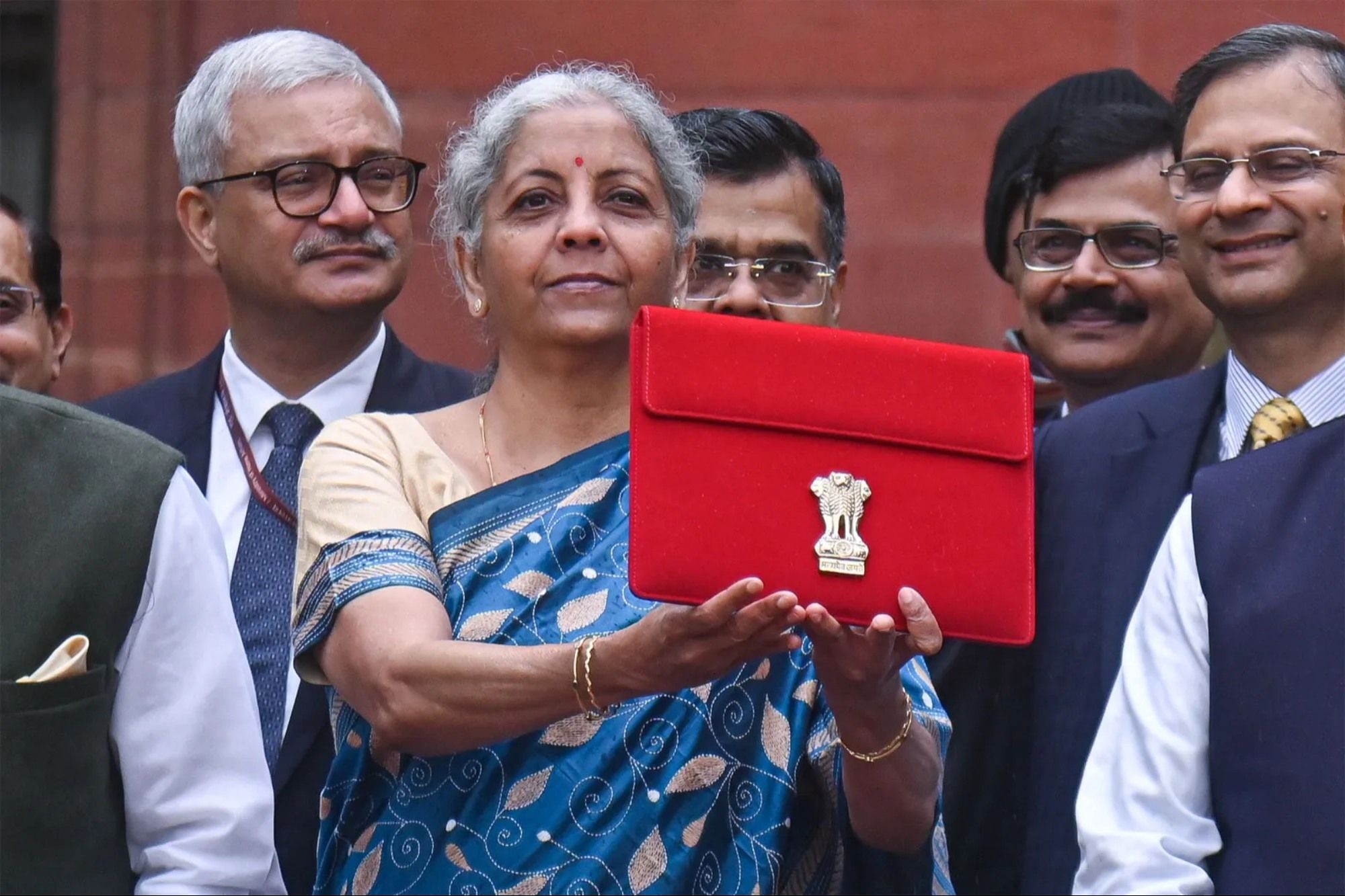
Union Budget 2026 presented on February 1, 2026 had limited direct announcements for home loan borrowers.
What Changed in Budget 2026
- Interest Deduction Alignment: Starting April 1, 2026, interest on borrowings for self occupied property will be deductible in five equal installments after construction, capped at ₹2 lakh annually. This aligns the New Act with the Old Act.
- TDS Simplification: Resident buyers purchasing property from non residents can now use PAN alone instead of separate TAN requirement. This takes effect from October 1, 2026.
- Capital Gains Exemption: Agricultural land transfers remain exempt from capital gains tax for individuals and Hindu Undivided Families.
- REITs for Public Assets: Dedicated REITs for public sector assets proposed, potentially unlocking ₹10 lakh crore in government owned properties.
What Did Not Change
- Section 80C Limit: Remains at ₹1.5 lakh since 2014. No increase was announced despite industry expectations.
- Section 24(b) Limit: Remains at ₹2 lakh for self occupied properties. Industry had requested an increase to ₹5 lakh.
- Section 80EEA: No changes. Additional ₹1.5 lakh deduction for first time buyers remains for loans sanctioned between April 2019 and March 2021 only.
- Affordable Housing Definition: No revision to ₹45 lakh price cap or size limits. Industry had requested an increase to ₹75 to 80 lakh.
- New Tax Regime: No home loan deductions allowed. Income up to ₹4 lakh remains tax free.
Affordable Housing Allocations
- PMAY Urban: ₹18,625 crore allocation, up from ₹7,500 crore
- PMAY Urban 2.0: ₹3,000 crore, up from ₹300 crore (10 times increase)
- PMAY Gramin: ₹54,917 crore, up from ₹32,500 crore
- Total Housing Ministry: ₹28,318 crore increase (49.5 percent rise)
Target: 1 crore additional urban houses under PMAY Urban 2.0
Industry Expectations Not Met
- Home Loan Interest Deduction: Industry requested ₹5 lakh limit extended to new tax regime. Not granted.
- National Rental Housing Mission: Requested with tax incentives for developers and tenants. Not announced.
- Affordable Housing Threshold: Requested increase to 90 square meters in metros. Not granted.
- Interest Subvention: Direct interest subsidies for affordable housing buyers. Not provided.
Impact on Home Loan Borrowers
- Old Tax Regime Users: No change. Continue claiming ₹3.5 lakh deductions (₹1.5 lakh under 80C + ₹2 lakh under 24b).
- New Tax Regime Users: No home loan benefits available. Must evaluate if switching to old regime makes sense based on EMI amount.
- First Time Buyers: No new benefits. Existing 80EEA benefit only for loans sanctioned before March 2021.
- Affordable Housing Buyers: Indirect benefit through increased PMAY allocations may improve supply and affordability.
Budget 2026 Strategy for Home Loan Borrowers
- Choose Old Tax Regime: If your annual home loan deductions exceed ₹3.5 lakh, old regime provides better tax savings.
- Claim Deductions Before March 31, 2026: Ensure all eligible investments and payments are made by March 31, 2026 for FY 2025-26.
- Plan for No Future Increases: Section 80C limit has not increased since 2014. Do not expect higher deductions in the near future.
- Focus on EMI Affordability: With no new tax benefits, focus on keeping EMI between 30 to 40 percent of income for comfortable repayment.
- Consider Prepayment: Use tax savings from deductions for loan prepayment to reduce overall interest burden.
Prepayment Strategy to Reduce EMI Burden
Prepaying your home loan reduces total interest and can shorten tenure.
One Extra EMI Per Year Strategy
Paying one additional EMI annually can reduce a 25 year loan to under 20 years.
Example:
- Loan Amount: ₹50 lakh
- Interest Rate: 8.5 percent
- Original Tenure: 25 years
- Regular EMI: ₹40,264
With one extra EMI per year starting in year 2:
- Reduced Tenure: Under 20 years
- Interest Saved: ₹18.31 lakh
- Bi Weekly Payment Strategy
Bonus and Increment Strategy
Use annual bonuses, salary increments, or tax refunds for lump sum prepayments.
Example:
- Annual bonus: ₹2 lakh
- Use for prepayment each year
- Reduces tenure by 5 to 7 years on a 20 year loan
Hybrid Strategy
Combine small EMI increases with occasional lump sum payments.
Example:
- Increase EMI by 10 percent annually
- Add bonus amount as lump sum
- Flexible approach with maximum savings
Prepayment Guidelines
- Build Emergency Fund First: 6 to 12 months expenses
- Secure Insurance: Term and health insurance
- Check Prepayment Charges: Floating rate loans usually have no penalty
- Inform Lender: Set up auto debit for principal reduction
- Track Progress: Use spreadsheet to monitor savings
- Start Early: Prepay in initial years when interest component is high
Factors Affecting EMI Amount
- Loan Amount:- Higher loan amount means higher EMI. Reduce loan amount by increasing down payment.
- Interest Rate:- Lower interest rate reduces EMI. Compare rates from multiple banks. Negotiate based on credit score and relationship with the bank.
- Loan Tenure:- Longer tenure reduces EMI but increases total interest. Choose tenure based on age and retirement plans.
- Credit Score:- CIBIL score of 750 and above gets best interest rates. A score below 650 may face rejection or higher rates.
- Income Stability:- Salaried individuals get better rates than self employed. Multiple income sources improve eligibility.
- Property Value:- Loan to Value ratio is typically 75 to 90 percent. Higher property value allows higher loan amounts.
- Age:- Younger borrowers get longer tenure. Maximum age at loan maturity is typically 65 to 70 years.
- Existing Debts:- High existing EMIs reduce home loan eligibility. Clear small loans before applying.
- Co Applicant:- Adding a spouse or parent as a co applicant increases combined income and loan eligibility.
Common EMI Mistakes to Avoid
- Taking Maximum Loan:- Just because the bank approves ₹50 lakh does not mean you should take it. Borrow only what you need.
- Ignoring Total Interest:- Focus on total interest payable, not just monthly EMI. A lower EMI with longer tenure costs more overall.
- Not Comparing Rates:- 0.5 percent difference in interest rate saves lakhs over 20 years. Compare at least 3 to 4 banks.
- Choosing Longest Tenure:- A 30 year tenure may seem attractive with low EMI but you pay double the loan amount in interest.
- Not Reading Fine Print:- Check processing fees, prepayment charges, foreclosure terms, and hidden costs.
- Skipping Insurance:- Home loan insurance protects your family from debt burden if something happens to you.
- Not Maintaining Emergency Fund:- EMI should not consume all your income. Keep 6 months expenses as an emergency fund.
- Ignoring Tax Benefits:- Choose the old tax regime if you can claim ₹3.5 lakh deductions. This reduces effective EMI.
EMI Affordability Checklist
Before finalizing your home loan EMI amount, check these points:
- Income Stability: Do you have stable income for the next 10 to 20 years?
- EMI Ratio: Is EMI between 30 to 40 percent of income?
- FOIR: Is total FOIR below 50 percent?
- DTI: Is debt to income ratio below 40 percent?
- Emergency Fund: Do you have 6 months expenses saved?
- Insurance: Do you have term and health insurance?
- Other Goals: Can you still save for retirement and children's education?
- Lifestyle: Does EMI leave enough for comfortable living?
- Job Security: Is your job secure for loan tenure?
- Interest Rate: Have you compared rates from multiple banks?
If you answer yes to all questions, your EMI amount is appropriate.
Conclusion
The right home loan EMI amount is 30 to 40 percent of your monthly income. Banks allow up to 50 percent but this leaves little room for other expenses and savings.
Use the EMI formula to calculate exact amounts. Check FOIR and DTI ratios to ensure overall debt burden is manageable. Compare interest rates from multiple banks as 0.5 percent difference saves lakhs over 20 years.
For ₹30,000 salary, maximum affordable loan is ₹18 lakh with ₹15,000 EMI. For ₹50,000 salary, it is ₹31 lakh with ₹25,000 EMI. For ₹1 lakh salary, it is ₹62 lakh with ₹50,000 EMI.
Choose tenure based on age and retirement plans. Shorter tenure saves interest but has higher EMI. Longer tenure reduces EMI but costs more overall.
Budget 2026 did not increase Section 80C or 24(b) limits. Claim tax benefits under old regime to reduce effective EMI by ₹8,000 to ₹10,000 per month. The ₹1.5 lakh Section 80C limit has remained unchanged since 2014.
Prepay one extra EMI annually to save ₹18 lakh on a ₹50 lakh loan. Build 6 months emergency fund before taking home loan. Secure term insurance to protect family from debt burden. Keep EMI comfortable to maintain quality of life while building wealth through home ownership.