Investments
How Is Technology Transforming Senior Living Homes in India?
25 Apr 2026
Investments
25 Apr 2026
Content
No Blogs content found
It looks like there haven’t been any blogs yet!
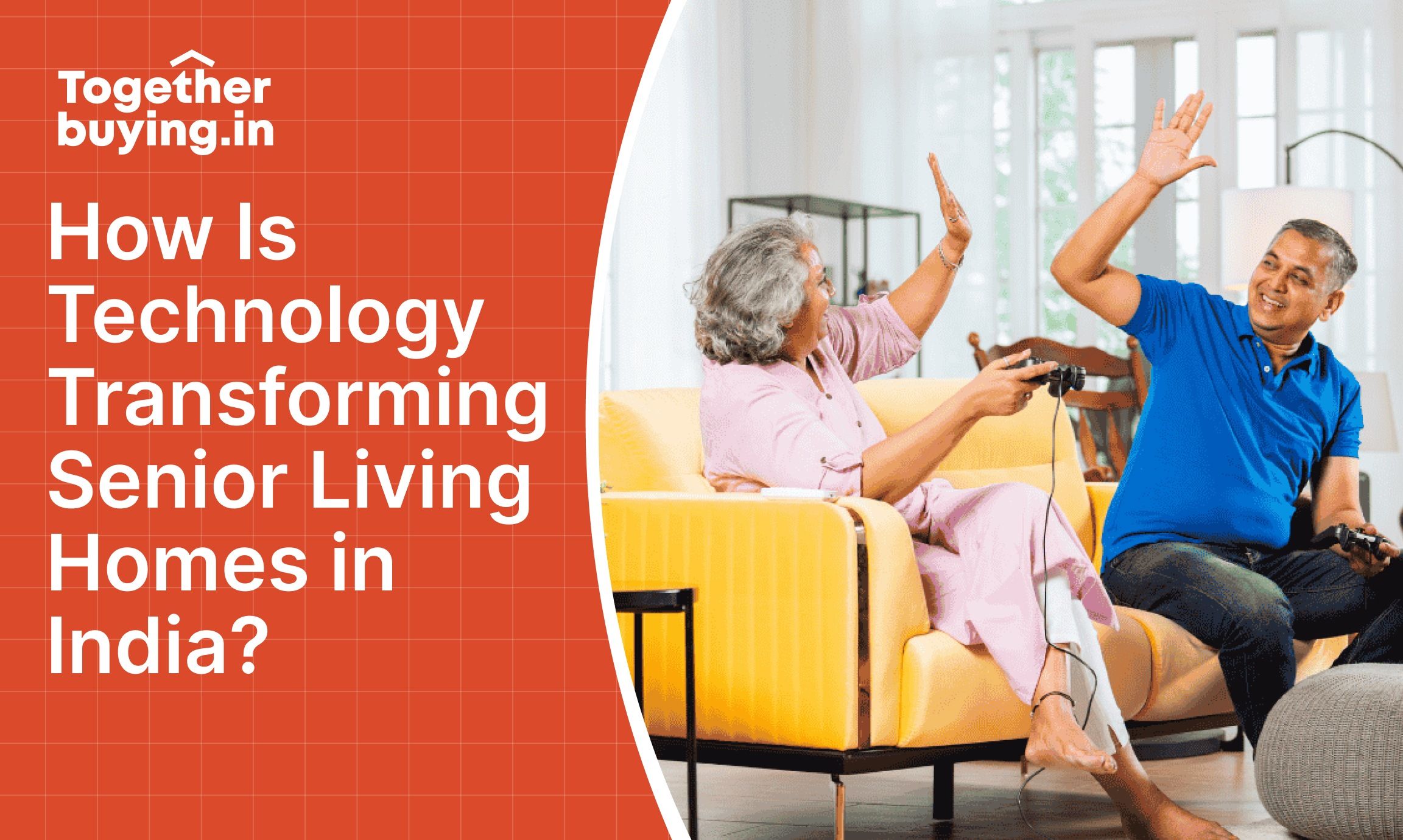
Senior living homes in India are residential facilities designed specifically for elderly residents, providing housing, healthcare, and community services in a managed environment. Technology integration in these facilities encompasses digital health monitoring, smart home automation, emergency response systems, and telemedicine services that enhance safety, healthcare access, and quality of life for residents. According to Census of India data from 2021, the population aged 60 and above is projected to reach 194 million by 2031, driving demand for technology enabled senior housing solutions across the country.
Technology serves as a critical bridge between independent living and comprehensive care for elderly residents. The integration of digital systems addresses key challenges including health monitoring, emergency response, medication management, and social connectivity that become increasingly important with age.
Modern senior living facilities use technology to extend independent living capabilities while ensuring safety and healthcare access. This approach aligns with preferences of elderly Indians who value autonomy while requiring support systems for daily activities and health management.
Wearable Devices: Fitness trackers and health monitors track vital signs, sleep patterns, physical activity, and medication reminders. These devices provide continuous health data to residents, families, and healthcare providers.
Remote Health Tracking: Integrated systems monitor blood pressure, glucose levels, heart rate, and other health parameters through connected devices that automatically transmit data to healthcare professionals.
Chronic Disease Management: Specialized monitoring systems for diabetes, hypertension, and cardiac conditions provide real time alerts and trend analysis to prevent health emergencies.
Panic Button Technology: Wearable or wall mounted emergency buttons allow residents to immediately alert staff or emergency services during medical emergencies or safety concerns.
Fall Detection Systems: Automated sensors detect falls and unusual movement patterns, triggering immediate response protocols even when residents cannot manually activate emergency systems.
24/7 Monitoring Centers: Centralized response systems staffed around the clock ensure immediate assistance during emergencies, connecting residents with on site staff or external emergency services.
Lighting Control Systems: Automated lighting adjusts based on time of day, occupancy, and individual preferences, reducing fall risks and improving energy efficiency throughout facilities.
Climate Management: Smart thermostats and HVAC systems maintain optimal temperature and air quality while allowing individual room customization for resident comfort.
Security Integration: Automated door locks, access control systems, and perimeter security provide safety while allowing authorized access for staff, visitors, and emergency personnel.
Remote Doctor Consultations: Video conferencing platforms connect residents with specialists and primary care physicians, reducing travel requirements and ensuring regular healthcare access.
Digital Prescription Management: Electronic prescription systems coordinate with local pharmacies for medication delivery and maintain comprehensive medication history records.
Health Record Integration: Digital health records provide healthcare providers with complete medical histories, current medications, and real time health data for informed treatment decisions.
CCTV Networks: Comprehensive camera systems monitor common areas, entrances, and outdoor spaces while respecting resident privacy in personal living areas.
Access Control Technology: Card based or biometric entry systems ensure only authorized individuals access facilities while tracking visitor and staff movement for security purposes.
Perimeter Monitoring: Sensor based systems monitor facility boundaries and alert security staff to unauthorized access attempts or unusual activity patterns.
Digital Engagement Tools: Tablet based systems provide access to entertainment, communication with family members, and participation in virtual community activities and educational programs.
Resident Communication Networks: Internal messaging systems allow residents to communicate with staff, schedule services, and connect with other residents within the facility.
Family Connectivity: Video calling platforms and mobile applications keep families informed about resident wellbeing and facility activities while enabling regular communication.
Also Read this:- What Are Senior Living Homes in India and How Do They Work?
Technology integration significantly reduces safety risks through continuous monitoring, emergency response systems, and automated safety features. Fall detection and emergency alert systems provide immediate assistance, while smart home features reduce common household hazards.
Telemedicine and remote monitoring expand healthcare access beyond traditional clinic visits. Residents receive regular health assessments, specialist consultations, and chronic disease management without leaving their living environment.
Smart home automation simplifies daily tasks including lighting control, temperature adjustment, and security management. Digital platforms provide entertainment, communication, and access to services through user friendly interfaces designed for elderly users.
Communication technology helps residents maintain relationships with family members and friends while facilitating new social connections within the facility through digital community platforms.
Technology integration requires significant upfront investment in infrastructure, devices, and staff training. However, operational efficiency gains and premium pricing potential often justify these initial costs for senior living operators.
Automated systems reduce staff workload for routine monitoring and administrative tasks, allowing caregivers to focus on direct resident care and relationship building activities.
Technology platforms provide operators with detailed data on resident health trends, facility usage patterns, and operational efficiency metrics that inform management decisions and service improvements.
Technology enabled facilities command premium pricing and attract quality conscious families seeking comprehensive care solutions for elderly relatives.
The World Health Organization projects that India's elderly population will increase from 104 million in 2021 to 194 million by 2031, representing a growth rate of 87% over the decade. This demographic shift drives demand for technology integrated senior housing solutions.
According to Ministry of Health and Family Welfare data from 2023, telemedicine usage among elderly Indians increased by 340% between 2020 and 2023, indicating growing acceptance of digital healthcare solutions.
JLL India reports from 2024 indicate that technology enabled senior living projects command 15-25% premium pricing compared to traditional elderly housing facilities, reflecting market recognition of technology value.
Knight Frank research from 2024 shows that 68% of new senior living projects in major Indian cities incorporate smart home technology, compared to 23% in 2020, demonstrating rapid adoption across the sector.
CBRE India data from 2023 indicates that technology enabled senior living facilities reduce healthcare costs by 20-30% through preventive monitoring and early intervention capabilities.
Also Read this:- Buying vs Renting a Senior Living Apartment: Which is the Better Choice
High implementation costs for comprehensive technology systems can increase facility fees, potentially limiting access for middle income families seeking senior living options.
Many elderly residents require extensive training and ongoing support to effectively use technology systems, creating additional staffing and training requirements for facility operators.
Reliable internet connectivity, power backup systems, and technical support infrastructure remain challenges in many Indian cities, affecting technology system reliability and performance.
Health data privacy, surveillance concerns, and cybersecurity risks require robust data protection measures and clear privacy policies to maintain resident trust and regulatory compliance.
Future developments will likely integrate senior living technology platforms with national health databases and insurance systems, creating seamless healthcare coordination and payment processing.
AI powered health prediction, personalized care recommendations, and automated emergency response systems will enhance care quality while reducing operational costs for facility operators.
Technology costs reduction and infrastructure improvements will enable senior living technology adoption in smaller cities, expanding access beyond major metropolitan areas.
Potential government incentives for technology adoption in senior care facilities could accelerate implementation and reduce costs for operators and residents.
Evaluate the comprehensiveness and reliability of technology systems including health monitoring, emergency response, and communication platforms when selecting senior living facilities.
Assess how facility technology integrates with external healthcare providers, insurance systems, and family communication preferences for seamless care coordination.
Compare technology enabled facility fees with traditional options while considering potential healthcare cost savings and quality of life improvements for residents.
Evaluate facility staff expertise in technology systems and availability of resident training programs to ensure effective technology utilization.
Technology integration allows senior living facilities to command premium pricing while attracting quality conscious families willing to pay for enhanced safety and healthcare access.
While initial technology costs are significant, operational efficiency gains, reduced healthcare expenses, and improved resident satisfaction create long term value for both operators and residents.
Technology enabled facilities gain competitive advantages in attracting residents and staff while building reputation for innovation and quality care in the growing senior living market.
Technology transformation in senior living homes across India addresses critical needs of the growing elderly population through integrated health monitoring, emergency response, smart home automation, and telemedicine services. While implementation costs and digital literacy challenges exist, the benefits of improved safety, healthcare access, and quality of life justify technology adoption for residents, families, and facility operators. As India's senior population continues growing and technology costs decrease, comprehensive technology integration will become standard in senior living facilities, creating safer, more connected, and healthcare focused environments for elderly residents across the country.
Technology enhances safety through multiple systems including fall detection sensors, emergency panic buttons, 24/7 monitoring centers, and automated lighting that reduces accident risks. These systems provide immediate response during emergencies and continuous monitoring of resident wellbeing without compromising privacy or independence.
Common health monitoring technologies include wearable devices for vital sign tracking, remote blood pressure and glucose monitors, medication reminder systems, and telemedicine platforms for doctor consultations. These systems provide continuous health data to healthcare providers and enable early intervention for potential health issues.
Technology enabled senior living facilities typically command 15-25% premium pricing according to JLL India data from 2024. However, these costs are often offset by reduced healthcare expenses, improved safety, and enhanced quality of life. Families should evaluate total cost of care including potential healthcare savings when comparing options.
Most modern senior living technology is designed with user friendly interfaces specifically for elderly users. Facilities provide comprehensive training programs and ongoing technical support to help residents effectively use these systems. Staff assistance is always available for residents who prefer traditional methods or need additional support.
Families should assess the comprehensiveness of health monitoring systems, reliability of emergency response technology, integration with external healthcare providers, staff training levels, and resident support programs. Additionally, evaluate data privacy policies, system reliability, and how technology enhances rather than complicates daily living for residents.
Contact Us
Fill out this form
& we'll get back
to you
Recommended for you