Market Trends
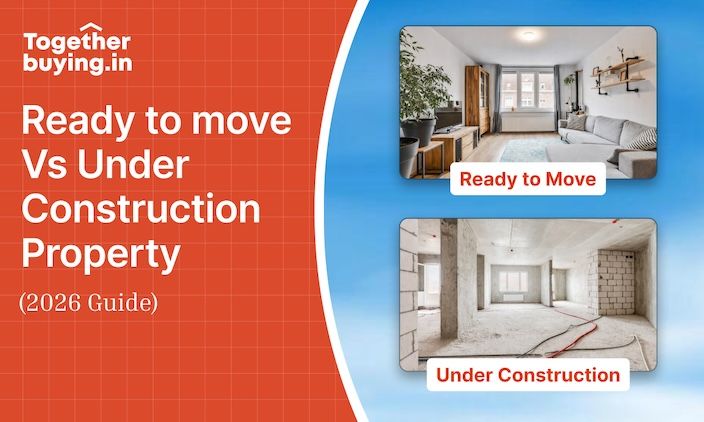
Ready to Move vs Under Construction Property:- 2026 Guide
03 Apr 2026
Market Trends
03 Apr 2026
Content
No Blogs content found
It looks like there haven’t been any blogs yet!
Choosing between a ready to move home and an under construction property isn't just about price. It's about matching your timeline, risk tolerance, and financial goals with the right investment strategy. Both options have transformed significantly in 2026, making this decision more nuanced than ever.
Ready to move properties are completed homes with occupancy certificates, where you can get keys within 30-90 days of purchase. You see exactly what you're buying, from the view to the finishing quality.

Under construction properties are homes still being built, typically offering possession 1-4 years away. Property Portals note that the critical legal difference is the Occupancy Certificate - ready properties have it, under construction properties are working towards it.
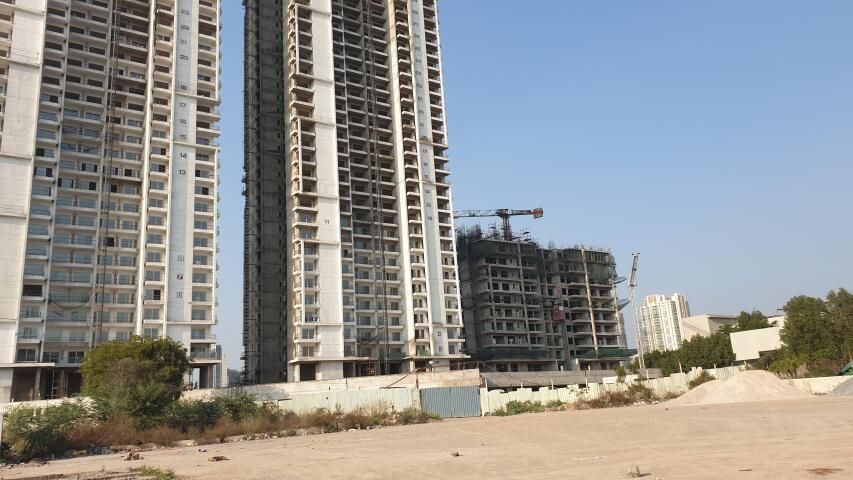
Your timeline decides the winner, not market conditions. Need a home now? Ready to move wins. Investing for 3-5 years? Under construction offers better entry prices.
The price difference between these options goes deeper than the initial cost. Under construction properties typically cost 10-30% less upfront, but that's just the beginning of the financial story.
Under construction financial structure:
Ready to move financial structure:
Godrej Properties emphasizes that while under construction properties appear cheaper initially, the GST component can add ₹3.5 lakh to a ₹70 lakh property.
Real cost example: A ₹1 crore under construction flat becomes ₹1.05 crore with GST. The same ready property at ₹1.2 crore has no additional GST, making the actual difference smaller than it appears.
Under construction risks that matter:
Moneycontrol reports that RERA now mandates builders keep 70% of buyer funds in separate accounts and provides compensation for delays, but risks haven't disappeared entirely.
Ready to move risks (often overlooked):
Even with RERA protection, under construction properties carry inherent timeline and quality risks that ready properties eliminate entirely.
Properties typically appreciate 15-25% from booking to possession as construction progresses and infrastructure develops. Early buyers in emerging micro markets often see the highest gains.

Immediate rental income potential but slower capital appreciation since pricing already reflects completed value. Times of India notes that ready properties offer stability and predictable returns.
Ready properties can generate rental income immediately, often covering 60-80% of EMI costs. Under construction properties provide no income until possession, creating a cash flow gap.
Under construction properties offer significant customization opportunities during early construction phases. Buyers can often modify layouts, choose finishes, and personalize interiors according to preferences.
Ready properties provide certainty but limited modification scope. What you see is what you get, which eliminates surprises but reduces personalization options.
Modern amenities comparison: Under construction projects typically feature the latest amenities, smart home integration, and contemporary designs. Ready properties may have older amenity concepts but proven functionality.
RERA provides specific protections for under construction buyers:
RERA protection highlights:
Ready properties benefit from RERA compliance verification but face fewer ongoing regulatory protections since construction is complete.
Under construction works best for:
Ready to move suits:
Young professionals and long term investors often benefit more from under construction properties, while families and immediate income seekers prefer ready options.
The 5% GST on under construction properties represents a significant cost factor. For a ₹80 lakh property, GST adds ₹4 lakh to the total cost. Ready properties avoid this entirely.
Additional tax considerations:
Ready properties allow complete physical inspection before purchase. Buyers can test fixtures, check finishing quality, assess natural light, and evaluate neighborhood dynamics.
Under construction properties rely on sample flats, brochures, and developer promises. Togetherbuying emphasizes the importance of verifying builder reputation and RERA registration before committing.
Quality verification strategies:
Consider these key questions:
Decision matrix:
For under construction properties:
For ready to move properties:
Neither option is universally better. Under construction properties offer better entry pricing and appreciation potential but require patience and risk tolerance. Ready properties provide certainty and immediate benefits but at higher upfront costs.
Your personal timeline, financial situation, and risk appetite should drive this decision, not market trends or general advice. The right choice aligns with your specific circumstances and goals.
The key is honest self assessment. If you need a home now and value certainty, ready properties deliver peace of mind. If you can wait and want maximum value appreciation, under construction properties from reputable developers offer compelling long term benefits.
Remember: the extra time spent evaluating your priorities and thoroughly researching either option will pay dividends in satisfaction and financial returns for years to come.
A: Under construction properties typically offer 10-30% lower entry prices but include 5% GST. Ready properties cost more upfront but eliminate GST and provide immediate possession. The better value depends on your timeline and whether you can utilize immediate possession benefits.
A: Initial savings range from ₹10-30 lakh on a ₹1 crore property, but factor in 5% GST (₹5 lakh) and potential rent payments during construction. Net savings often reduce to 10-15% when all costs are considered.
A: RERA mandates builders pay compensation for delays and maintain 70% of funds in escrow accounts. The Realty Today reports buyers can claim refund with interest or monthly delay compensation, plus builders face penalties up to 10% of project cost for major violations.
A: Yes, banks prefer ready properties as collateral is immediately available. Loan approval is typically faster and interest rates may be slightly better. Under construction properties require construction linked disbursement, which some buyers find complex.
A: New developers carry higher risk but aren't automatically unsafe. Verify RERA registration, check promoter background, assess financial backing, and ensure proper approvals. Established developers offer more security but often charge premium pricing.
A: Check occupancy certificate, completion certificate, RERA compliance certificate, and society formation documents. Verify title clearance, NOCs from relevant authorities, and ensure property tax payments are current. Consider legal due diligence through a property lawyer.
A: Ready properties win for immediate rental income since you can lease immediately after purchase. Under construction properties provide no rental income until possession, creating a 2-4 year income gap that affects overall returns.
A: Minor modifications like painting, fixtures, and furnishing are possible. Major structural changes require society and local authority approvals, which can be complex and expensive. Under construction properties offer much better customization opportunities during construction.
A: You can transfer your booking to another buyer with developer consent, but may face transfer charges and price negotiations. Ready properties are easier to resell since buyers can immediately inspect and take possession.
A: New under construction properties typically have lower maintenance costs initially due to modern systems and warranties. Ready properties, especially older ones, may require immediate repairs or upgrades. However, new societies in under construction projects may have higher initial maintenance charges to build corpus funds.
A: Market timing is less important than personal circumstances. Focus on your timeline, financial capacity, and housing needs rather than trying to time the market. Both options can be good investments when chosen for the right reasons.
A: RERA protects against major specification changes without buyer consent. Builders must compensate for reductions in area or amenities. Document all promised specifications and maintain written communication about any changes during construction.
Contact Us
Fill out this form
& we'll get back
to you
Recommended for you