Investments
Residential vs Commercial Real Estate: Which is Better for Investment?

23 Dec 2025
Investments
23 Dec 2025
Content
No Blogs content found
It looks like there haven’t been any blogs yet!
The choice between residential and commercial real estate represents one of the most critical decisions for property investors. Each category offers distinct advantages, challenges, and return profiles that suit different investor goals and financial capacities.
Residential properties account for approximately 75 percent of real estate transactions in India by volume, while commercial properties deliver higher rental yields averaging 6 to 9 percent compared to residential yields of 2 to 4 percent. Understanding these differences helps you allocate capital to the property type that aligns with your investment objectives.
This comprehensive comparison examines both property types across multiple dimensions including capital requirements, returns, risks, liquidity, tax implications, and management complexity. Whether you have 50 lakhs or 2 crores to invest, this guide helps you make an informed decision.
Residential properties include apartments, independent houses, villas, and plotted developments intended for people to live in. This category dominates the Indian real estate market due to lower entry barriers and widespread familiarity.

Investors purchase residential properties for capital appreciation over 5 to 10 years, rental income from tenants, or a combination of both. Some investors also buy with the intention of eventual personal use after retirement or for children.
Commercial properties include office spaces, retail shops, showrooms, warehouses, and business centers leased to companies and businesses. This category requires higher capital but offers superior rental yields.
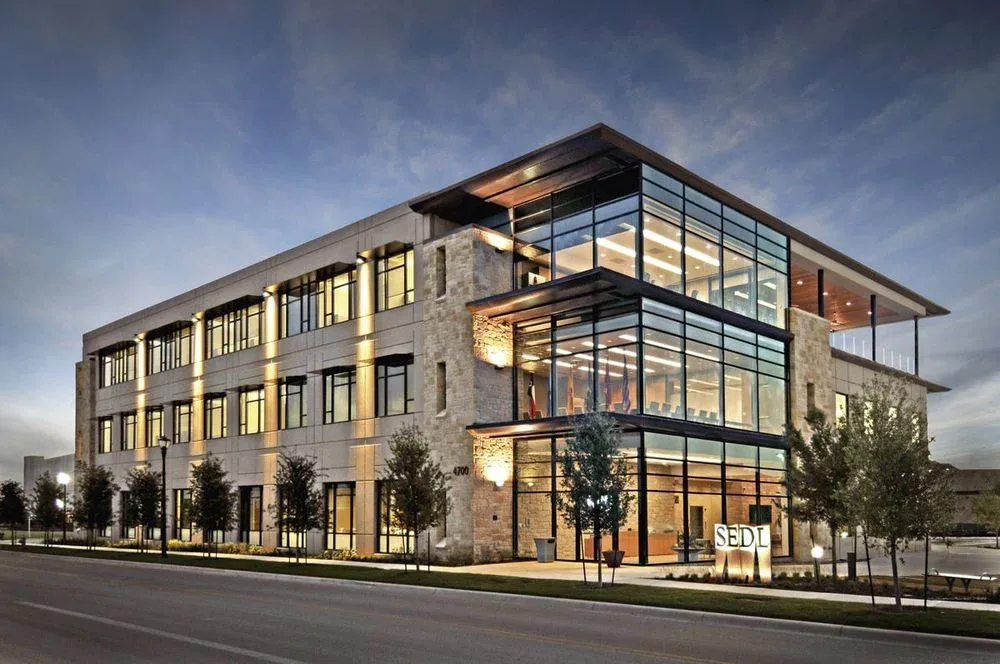
Commercial property investors focus primarily on rental income, as these properties generate significantly higher cash flow than residential. Capital appreciation is secondary, though it occurs steadily in prime locations.
The amount of money needed to enter each market segment differs substantially, affecting accessibility for different investor profiles.
Entry level residential investments in tier 1 cities start around 30 to 50 lakhs for 1 BHK or 2 BHK apartments in developing areas. Mid segment properties in established locations range from 60 lakhs to 1.2 crores. Premium and luxury segments start from 1.5 crores and can exceed 5 crores.
Banks provide home loans up to 80 to 90 percent of property value for residential purchases. This means you need 10 to 20 percent as down payment. For a 60 lakh apartment, your down payment is 6 to 12 lakhs.
Interest rates for residential home loans range from 8.5 to 9.5 percent, the lowest among all property loan categories. Loan tenures extend up to 30 years, keeping EMI manageable.
Commercial property investments typically start around 50 lakhs to 1 crore for small retail shops or office spaces in tier 2 cities. Prime office spaces in metro IT parks start from 1.5 crores and can exceed 5 crores for larger units.
Banks provide commercial property loans up to 60 to 70 percent of property value. This means you need 30 to 40 percent as down payment. For a 1 crore commercial property, your down payment is 30 to 40 lakhs.
Interest rates for commercial property loans range from 9.5 to 11 percent, approximately 1 to 1.5 percent higher than residential rates. Loan tenures typically max out at 15 to 20 years.
| Factor | Residential | Commercial |
|---|---|---|
| Entry Price | ₹30–50 lakhs | ₹50 lakhs–1 crore |
| Loan Amount | 80–90% value | 60–70% value |
| Down Payment | 10–20% | 30–40% |
| Interest Rate | 8.5–9.5% | 9.5–11% |
| Loan Tenure | Up to 30 years | Up to 15–20 years |
| EMI Burden | Lower | Higher |
Capital Accessibility Verdict: Residential properties are more accessible for first time investors and those with limited capital. Commercial properties require 2 to 3 times more upfront capital.
Rental yield measures annual rental income as a percentage of property value, indicating the cash flow generation capacity of your investment.
Residential properties in Indian cities generate gross rental yields ranging from 2 to 4 percent annually. Metro cities like Mumbai, Bangalore, and Delhi typically deliver 2 to 3 percent, while tier 2 cities like Ahmedabad and Indore offer 3 to 4 percent.
Property value: 60 lakhs Monthly rent: 18,000 rupees Annual rent: 2.16 lakhs Gross rental yield: 3.6% After deducting maintenance charges of 3,000 rupees monthly, property tax of 8,000 rupees annually, and accounting for one month vacancy, net rental yield drops to approximately 2.5 percent.
Residential leases typically run for 11 months to avoid rent control regulations. Tenants can vacate with 1 to 2 months notice. Rent increases of 5 to 10 percent annually are negotiated at renewal.
Commercial properties generate gross rental yields ranging from 6 to 9 percent annually in prime locations. Office spaces in IT parks deliver 6 to 7 percent, while retail shops in good locations offer 7 to 9 percent.
Property value: 1 crore Monthly rent: 65,000 rupees Annual rent: 7.8 lakhs Gross rental yield: 7.8% Commercial leases often include clauses where tenants pay maintenance charges, property tax, and other expenses. This means the landlord receives net rental income close to the gross yield.
Commercial leases run for 3 to 9 years with lock in periods preventing early termination. Rent escalation clauses of 10 to 15 percent every 3 years are standard. Security deposits of 6 to 12 months rent provide protection against defaults.
| City | Residential Yield | Commercial Yield | Yield Difference |
|---|---|---|---|
| Mumbai | 2–2.5% | 6–7% | 4–4.5% |
| Bangalore | 2.5–3.5% | 7–8% | 4.5–5% |
| Delhi NCR | 2–3% | 6–7.5% | 4–4.5% |
| Pune | 2.5–3% | 6–8% | 3.5–5% |
| Hyderabad | 3–4% | 7–9% | 4–5% |
| Ahmedabad | 3–3.5% | 7–9% | 4–5.5% |
Rental Yield Verdict: Commercial properties deliver 2 to 3 times higher rental yields than residential, making them superior for income focused investors.
Capital appreciation refers to the increase in property value over time, representing the primary wealth creation mechanism in real estate.
Residential properties in well located areas appreciate 6 to 12 percent annually over long periods. The appreciation is driven by urbanization, infrastructure development, and increasing incomes supporting higher property prices.

Properties in emerging areas with upcoming infrastructure can appreciate 15 to 25 percent annually during the development phase, though this slows once infrastructure is operational.
Commercial properties appreciate 5 to 8 percent annually in established business districts. The appreciation is more stable but slower compared to residential properties in high growth areas.
Commercial property values are more closely tied to rental income potential. Properties generating higher rents command proportionally higher valuations.
| Property Type | Average Annual Appreciation | High Growth Scenario | Stability |
|---|---|---|---|
| Residential | 6–12% | 15–25% in emerging areas | Moderate |
| Commercial | 5–8% | 10–12% in prime locations | High |
Appreciation Verdict: Residential properties offer higher appreciation potential, especially in emerging areas with infrastructure development. Commercial properties provide more stable, predictable appreciation.
Understanding the risks associated with each property type helps you make decisions aligned with your risk tolerance.
Tenant Turnover: Residential tenants typically stay 1 to 3 years before moving. Frequent turnover creates vacancy periods and search costs for new tenants.
Rental Defaults: Individual tenants may face job loss or financial difficulties leading to rent defaults. Recovery through legal means is time consuming.
Maintenance Issues: Residential tenants may not maintain properties well, leading to damage and repair costs when they vacate.
Market Sensitivity: Residential prices are sensitive to interest rate changes, as most buyers use home loans. Rate increases reduce affordability and dampen demand.
Economic Cycle Sensitivity: Commercial property demand correlates strongly with economic conditions. Recessions lead to business closures and increased vacancies.
Longer Vacancy Periods: Finding commercial tenants takes longer than residential, often 3 to 6 months or more. Vacancy periods create significant income loss.
Tenant Concentration: Dependence on a single business tenant creates risk if that tenant faces financial difficulties or relocates.
Higher Capital at Risk: The larger investment amount means absolute losses are higher if property values decline.
Sector Specific Risks: Retail properties face competition from e-commerce. Office spaces face work from home trends. Warehouses depend on logistics sector health.
| Risk Factor | Residential | Commercial |
|---|---|---|
| Vacancy Duration | 1–2 months | 3–6 months |
| Tenant Stability | Lower | Higher |
| Economic Sensitivity | Moderate | High |
| Maintenance Burden | Higher | Lower |
| Default Recovery | Difficult | Easier |
| Market Liquidity | Higher | Lower |
Risk Verdict: Residential properties carry lower economic cycle risk and shorter vacancy periods. Commercial properties face higher economic sensitivity but benefit from longer lease terms and more stable tenants.
Liquidity refers to how quickly you can sell a property and convert it to cash. This matters when you need to exit your investment.
Residential properties enjoy higher liquidity due to a larger pool of potential buyers. End users looking for homes, investors seeking rental properties, and upgraders selling smaller homes to buy larger ones all participate in the market.
Properties in good locations with realistic pricing sell within 2 to 4 months. Properties in less desirable areas or with pricing issues may take 6 to 12 months or longer. The presence of home loan financing for buyers improves liquidity, as buyers can purchase with 10 to 20 percent down payment rather than needing full cash.
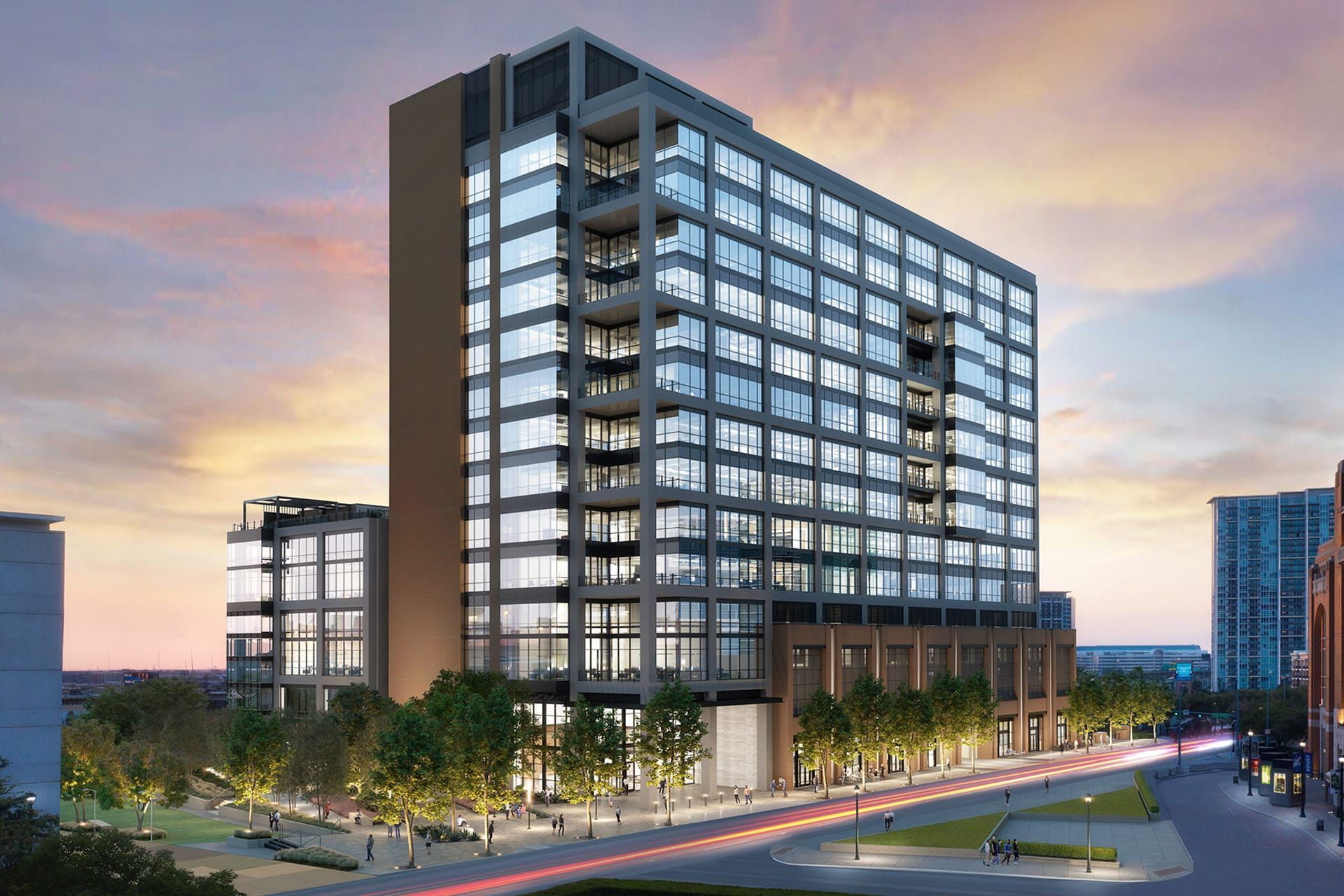
Commercial properties have lower liquidity due to a smaller buyer pool. Potential buyers are primarily investors rather than end users, and the higher capital requirement limits the number of qualified buyers.
Commercial properties typically take 6 to 12 months to sell, even in good locations with fair pricing. Specialized properties like warehouses or specific use retail may take 12 to 18 months.
The limited financing options for buyers (requiring 30 to 40 percent down payment) further constrains liquidity.
Liquidity Verdict: Residential properties offer superior liquidity with faster selling times and a larger buyer pool. Commercial properties require patience and may need price adjustments to attract buyers.
Tax treatment significantly impacts net returns and should factor into your investment decision.
For a 60 lakh home loan at 9 percent, first year interest is approximately 5.4 lakhs and principal is 1.2 lakhs. You can claim 1.5 lakhs under 80C and 2 lakhs under 24(b) for self occupied property, totaling 3.5 lakhs in deductions.
At 30 percent tax rate, this saves 1.05 lakhs in taxes annually, reducing your effective EMI cost significantly.
| Tax Aspect | Residential | Commercial |
|---|---|---|
| Principal Deduction | Yes (₹1.5 lakhs) | No |
| Interest Deduction | ₹2 lakhs (self occupied) | Unlimited |
| Rental Income Tax | 30% standard deduction | Full expense deduction |
| Depreciation | No | Yes (10% annually) |
| Capital Gains Exemption | Yes (Section 54) | No |
Tax Verdict: Residential properties offer better tax benefits for owner occupied or moderately leveraged investments. Commercial properties provide better deductions for highly leveraged investments focused on rental income.
The time and effort required to manage properties differs significantly between residential and commercial.
Finding residential tenants requires advertising, showing the property multiple times, screening applicants, and negotiating terms. This process repeats every 1 to 3 years as tenants change.
Landlords typically handle major repairs like plumbing, electrical, and structural issues. Tenants may not report problems promptly, leading to bigger issues. Property inspections are needed to ensure proper maintenance.
Monthly rent collection requires follow up with tenants. Defaults are common, requiring negotiation or legal action. Evicting problem tenants is time consuming and legally complex.
Finding commercial tenants takes longer but happens less frequently due to multi year leases. Corporate tenants conduct thorough due diligence before signing, making the process more formal but professional.
Commercial leases often make tenants responsible for interior maintenance and repairs. Landlords handle structural and common area maintenance. Corporate tenants maintain properties better than residential tenants.
Commercial tenants, especially established companies, pay rent reliably through automated transfers. Defaults are less common, and lease agreements include stronger penalty clauses.
Management Verdict: Commercial properties require less frequent tenant management and benefit from more professional tenant relationships. Residential properties demand more active management but offer flexibility.
Your choice should align with your investment goals, capital availability, and personal circumstances.
Many experienced investors maintain portfolios with both residential and commercial properties. This diversification balances the high appreciation potential of residential with the superior cash flow of commercial.
A typical hybrid portfolio might include 2 to 3 residential properties for appreciation and 1 commercial property for income. This provides growth potential while generating cash flow to cover holding costs.
Both residential and commercial segments show positive trends for 2026, though with different drivers.
Neither residential nor commercial real estate is universally better. The right choice depends on your specific situation, goals, and constraints.
For Most Beginner Investors: Start with residential properties due to lower capital requirements, better financing options, superior liquidity, and tax benefits. The familiarity with residential real estate reduces the learning curve and mistakes.
For Income Focused Investors: Commercial properties deliver superior rental yields and more stable tenant relationships. The higher capital requirement and lower liquidity are acceptable tradeoffs for investors prioritizing cash flow.
For Balanced Portfolios: Combine both property types to capture residential appreciation potential and commercial rental yields. This diversification reduces risk and provides both growth and income.
Regardless of your choice, focus on location quality, developer reputation, legal due diligence, and realistic return expectations. Success in real estate investment comes from disciplined execution and long term perspective rather than property type selection alone.
Contact Us
Fill out this form
& we'll get back
to you
Recommended for you