Investments
Top 10 Cities in India for Real Estate Investment in 2026

20 Dec 2025
Investments
20 Dec 2025
Content
No Blogs content found
It looks like there haven’t been any blogs yet!
Choosing the right city for real estate investment can make the difference between exceptional returns and mediocre performance. The Indian property market in 2026 presents diverse opportunities across metros, tier 1, and tier 2 cities, each offering unique advantages in terms of appreciation potential, rental yields, and entry costs.
This comprehensive analysis examines the top 10 cities for property investment based on multiple factors including historical appreciation rates, rental yields, infrastructure development, job creation, and future growth catalysts. Whether you have 40 lakhs or 2 crores to invest, this guide helps you identify the city that matches your investment goals.
Our rankings consider six critical factors that determine investment success:
Capital Appreciation Potential: Historical price growth and future catalysts like metro projects and employment hubs.
Rental Yield: Annual rental income as a percentage of property value, indicating cash flow generation.
Entry Price: Affordability for different investor segments, from first time buyers to seasoned investors.
Infrastructure Development: Ongoing and planned projects including metro, highways, and airports.
Job Creation: Employment growth driving housing demand from working professionals.
Regulatory Environment: RERA implementation, transparent processes, and buyer protection.
| Ranking Factor | Weightage | Why It Matters |
|---|---|---|
| Appreciation Potential | 30% | Primary driver of long term wealth creation |
| Rental Yield | 20% | Provides cash flow and reduces holding costs |
| Infrastructure | 20% | Unlocks new areas and improves connectivity |
| Job Creation | 15% | Creates fundamental housing demand |
| Entry Price | 10% | Determines accessibility for investors |
| Regulatory Environment | 5% | Reduces risk and ensures transparency |
Hyderabad has emerged as the top real estate investment destination in India, delivering exceptional returns while maintaining reasonable entry prices. The city's growth is driven by a booming IT sector, pharmaceutical industry presence, and proactive government policies.

The HITEC City and Gachibowli corridor continues expanding with major IT companies including Google, Amazon, Microsoft, and Apple establishing or expanding operations. The Outer Ring Road has opened peripheral areas like Kokapet, Narsingi, and Tellapur for development at prices 30 to 40 percent lower than central locations.
The upcoming Pharma City project spanning 19,000 acres will create 1.5 lakh jobs, driving housing demand in surrounding areas. The metro expansion to 250 kilometers by 2027 will connect previously isolated neighborhoods to employment hubs.
The combination of strong appreciation, good rental yields, and affordable entry prices creates the best risk adjusted returns among Indian cities. Properties purchased in 2020 for 50 lakhs now command 70 to 75 lakhs, representing 40 to 50 percent appreciation in just 4 to 5 years.
Bangalore remains India's technology capital, attracting global companies and skilled professionals. The city offers the highest rental yields among metros and consistent appreciation driven by sustained job creation.
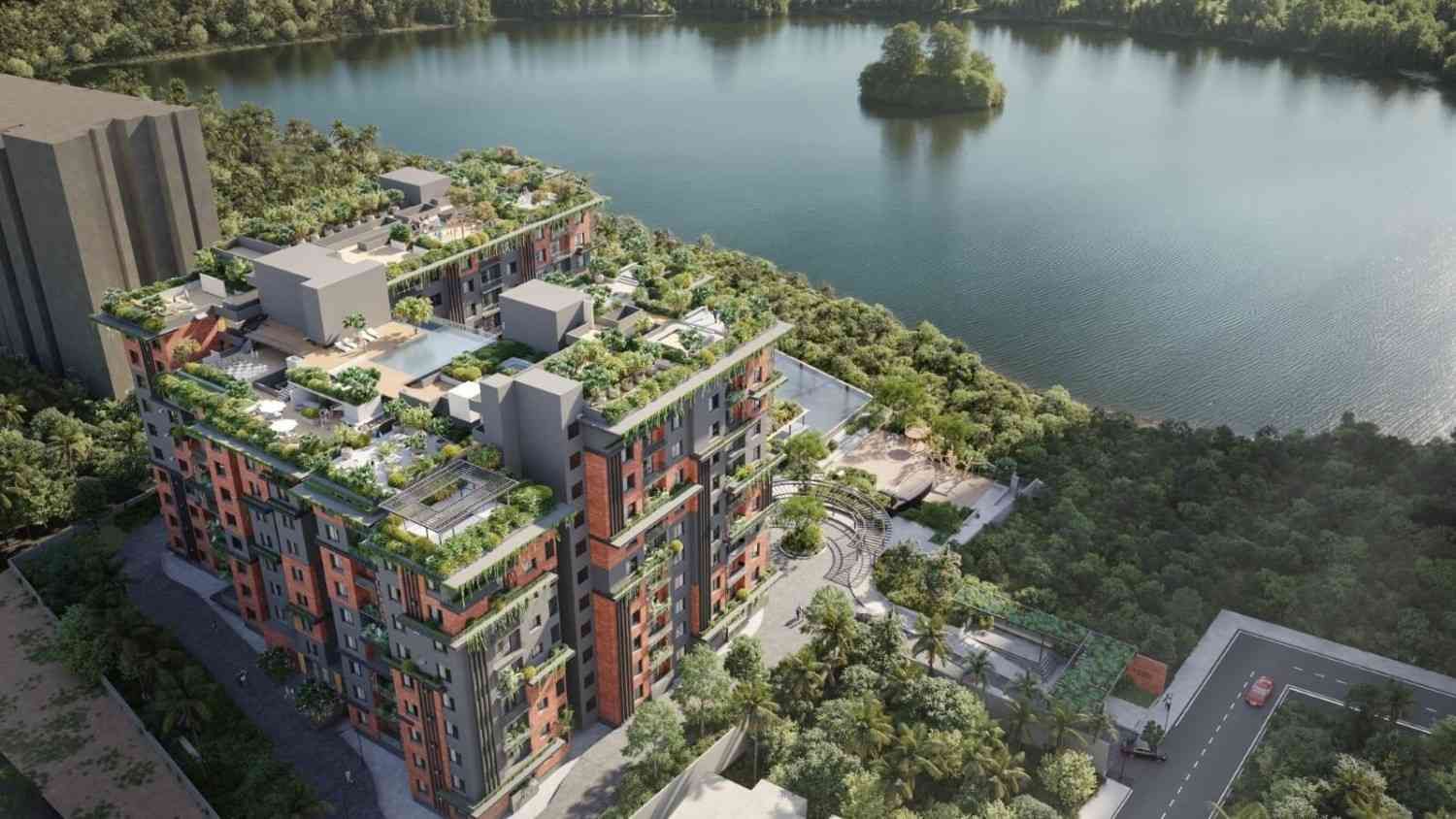
The IT and startup ecosystem continues expanding, with Bangalore accounting for 35 percent of India's tech workforce. Companies are establishing large campuses in peripheral areas, creating new residential demand corridors.
The metro expansion to 175 kilometers by 2026 is opening areas like Sarjapur Road, Hennur Road, and Kanakpura Road. The Peripheral Ring Road project will reduce travel times and unlock land for development.
| Area | Distance from City | 2BHK Price | Key Advantage |
|---|---|---|---|
| Sarjapur Road | 15–20 km | ₹55–75 lakhs | IT corridor expansion |
| Whitefield | 18–22 km | ₹65–85 lakhs | Established tech hub |
| Electronic City | 20–25 km | ₹50–70 lakhs | Major IT presence |
| Hennur Road | 12–15 km | ₹60–80 lakhs | Metro connectivity |
Higher entry prices compared to Hyderabad mean you need more capital to start. However, the established ecosystem, superior infrastructure, and strong rental demand justify the premium for investors who can afford it.
Pune offers a balanced investment proposition with steady appreciation, diverse economic drivers, and improving infrastructure. The city attracts investors seeking stability rather than explosive growth.
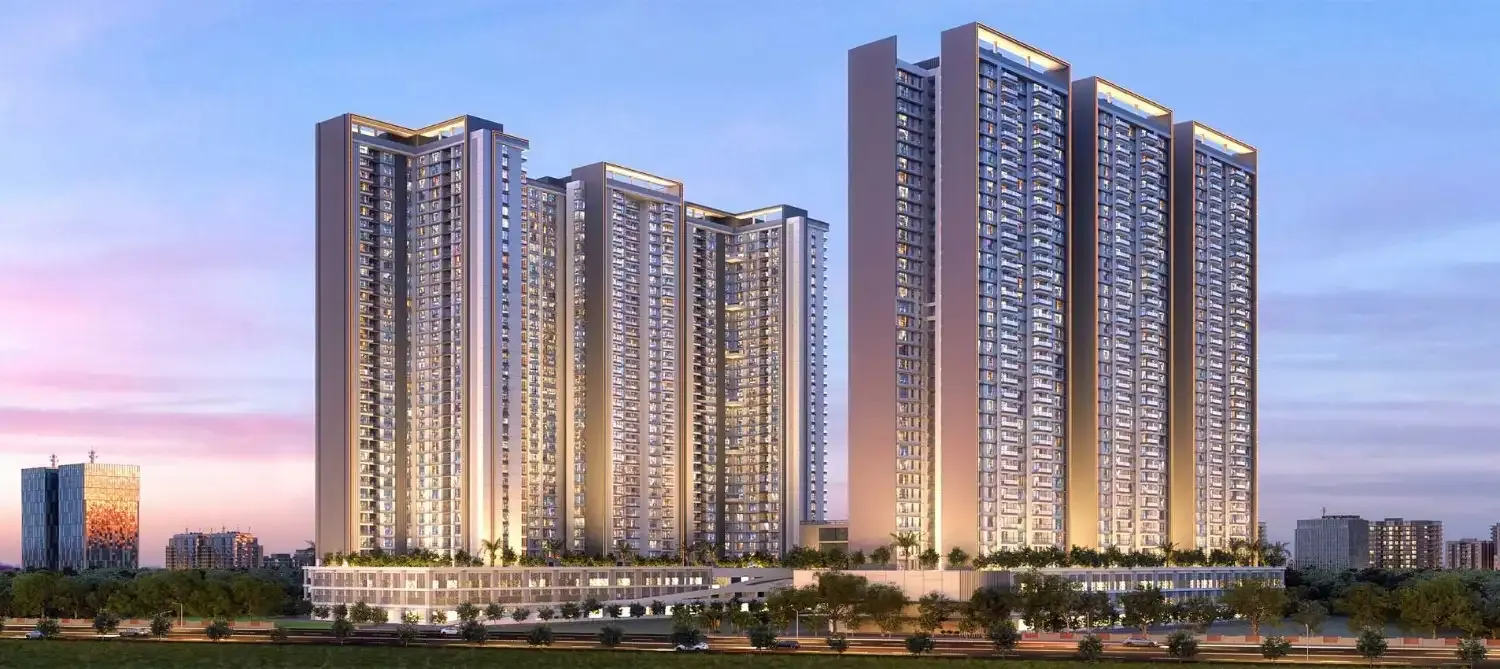
The IT sector in Hinjewadi employs over 200,000 professionals, creating sustained housing demand. The manufacturing presence from automotive and engineering companies provides economic diversity that reduces dependence on a single sector.
The metro project connecting Hinjewadi to the city center will reduce commute times from 90 minutes to 30 minutes, unlocking appreciation in areas along the route. The Pune Ring Road will open peripheral areas for development.
The city offers metro level infrastructure and job opportunities at prices 20 to 30 percent lower than Mumbai or Bangalore. The proximity to Mumbai creates spillover demand from professionals seeking better value.
Ahmedabad combines affordable entry prices with strong appreciation potential, making it attractive for investors with limited capital. The city's growth is driven by manufacturing, diamond trade, and the GIFT City financial hub.
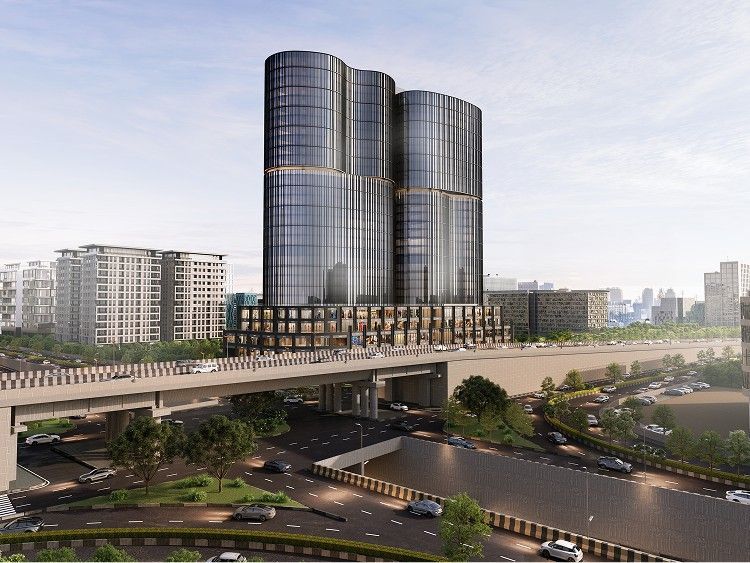
The GIFT City project aims to create India's first international financial services center, attracting global banks and financial institutions. This will create high paying jobs and demand for quality housing.
The metro expansion and the upcoming Ahmedabad Mumbai bullet train will improve connectivity. The city's position as Gujarat's commercial capital ensures sustained economic activity.
Properties that cost 60 to 80 lakhs in Pune or Bangalore are available for 35 to 50 lakhs in Ahmedabad. This lower entry barrier allows investors to start with smaller capital or purchase multiple properties for diversification.
Gurgaon serves as the primary satellite city for Delhi, hosting numerous multinational corporations and offering modern infrastructure. The market has matured, with appreciation moderating but remaining positive.
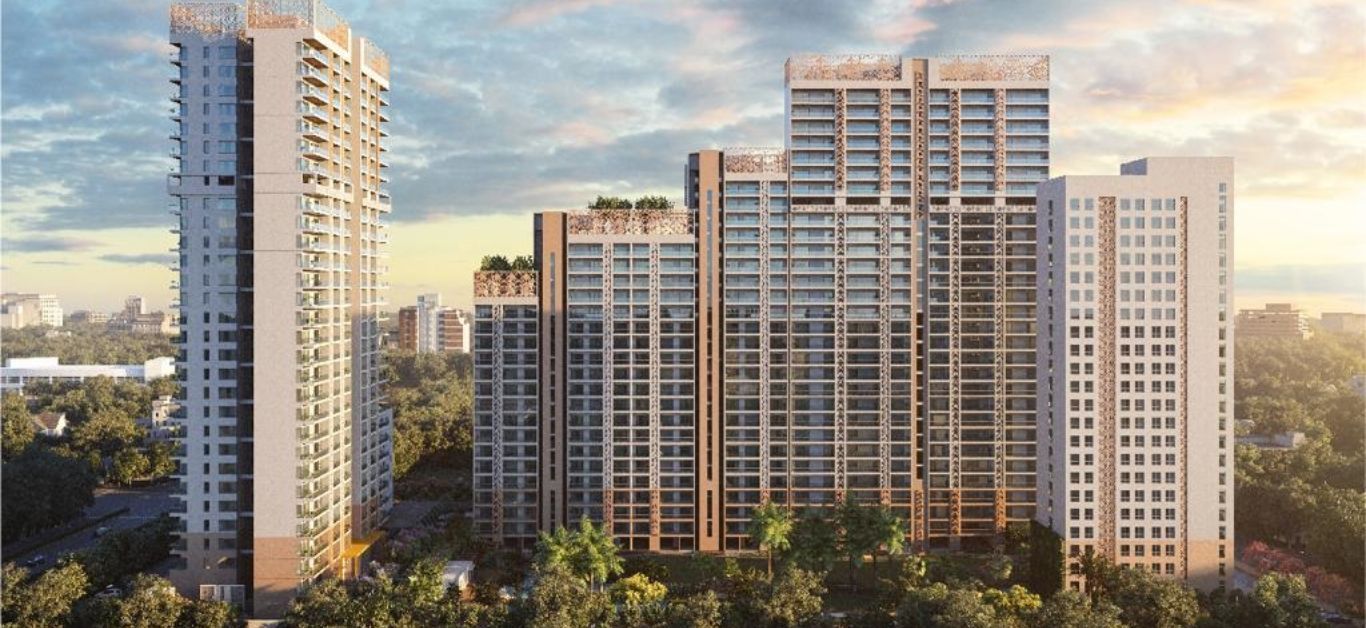
Cyber City and Golf Course Road employ over 400,000 professionals in IT, consulting, and financial services. This established corporate presence ensures consistent rental demand.
The Dwarka Expressway corridor is opening new areas with properties priced 25 to 35 percent below established locations. The Southern Peripheral Road metro will improve connectivity to peripheral sectors.
| Area | Profile | 2BHK Price | Rental Yield |
|---|---|---|---|
| Sohna Road | Emerging corridor | ₹60–80 lakhs | 2.5–3% |
| Dwarka Expressway | New development | ₹65–85 lakhs | 2.5–3.5% |
| Southern Peripheral Road | Infrastructure led | ₹70–90 lakhs | 2–2.5% |
| Golf Course Extension | Established premium | ₹1.2–1.6 crores | 2–2.5% |
Higher entry prices and moderate appreciation make Gurgaon suitable for investors prioritizing stability and rental income over aggressive capital gains. The established infrastructure and corporate presence reduce risk.
The Noida region offers affordable entry prices and benefits from the upcoming Jewar Airport, which will be Asia's largest airport. The market has been volatile historically but is stabilizing under RERA.
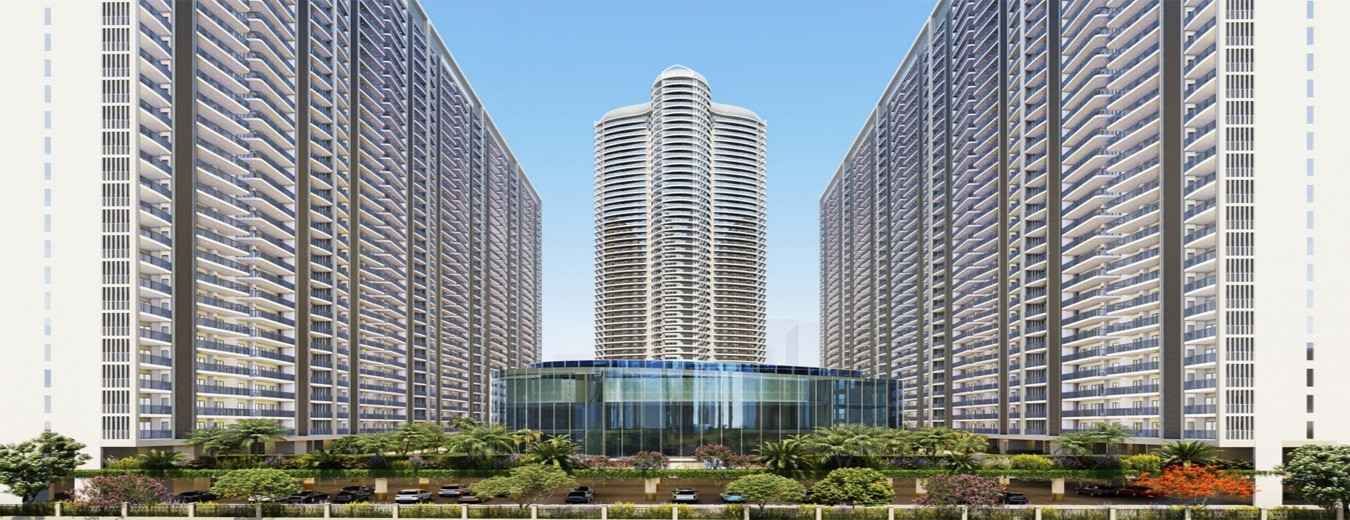
Average annual appreciation: 5 to 7 percent Rental yield: 2.5 to 3.5 percent Entry price for 2 BHK: 40 to 60 lakhs Total return potential: 7.5 to 10.5 percent annually
The Jewar Airport, scheduled to open in 2024 with full operations by 2027, will create an aviation and logistics hub. Areas within 20 kilometers of the airport are expected to see significant appreciation.
The metro connectivity to Delhi ensures accessibility for professionals working in the capital. The presence of IT and manufacturing companies provides employment diversity.
The region has seen developer defaults and project delays in the past. Focus on projects from established developers with RERA registration and clear delivery timelines.
Chennai combines manufacturing strength with IT sector growth, creating diverse economic drivers. The city offers moderate appreciation with stable rental demand.
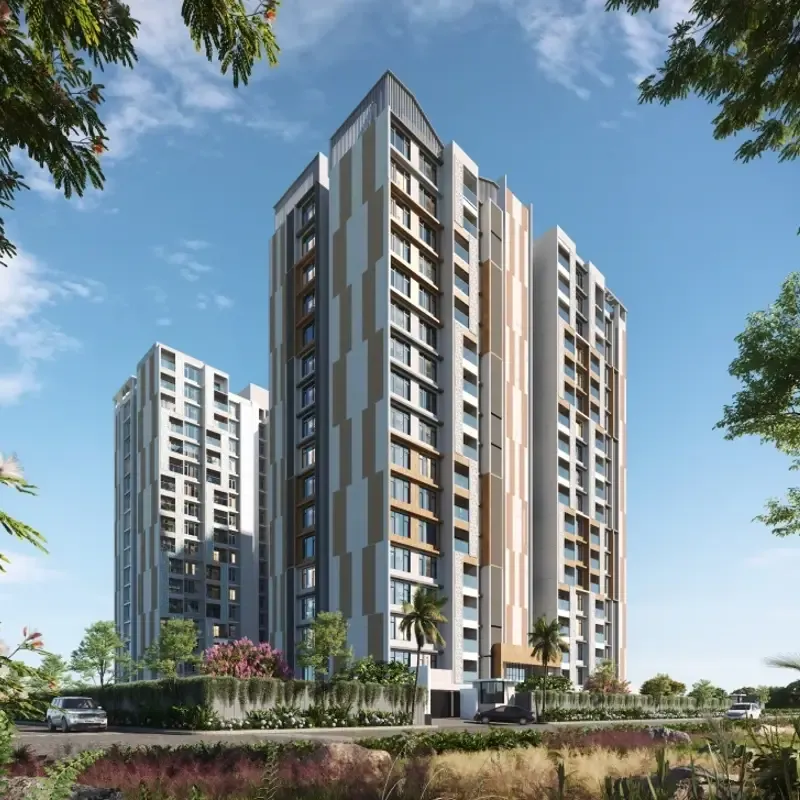
The automotive manufacturing cluster employs over 300,000 people directly and indirectly. The IT corridor in Old Mahabalipuram Road hosts major companies creating housing demand.
The metro expansion and the upcoming Chennai Bangalore Industrial Corridor will improve connectivity and create new employment zones.
Indore represents the best tier 2 city investment opportunity, offering low entry prices with steady appreciation. The city's position as Madhya Pradesh's commercial center drives economic activity.
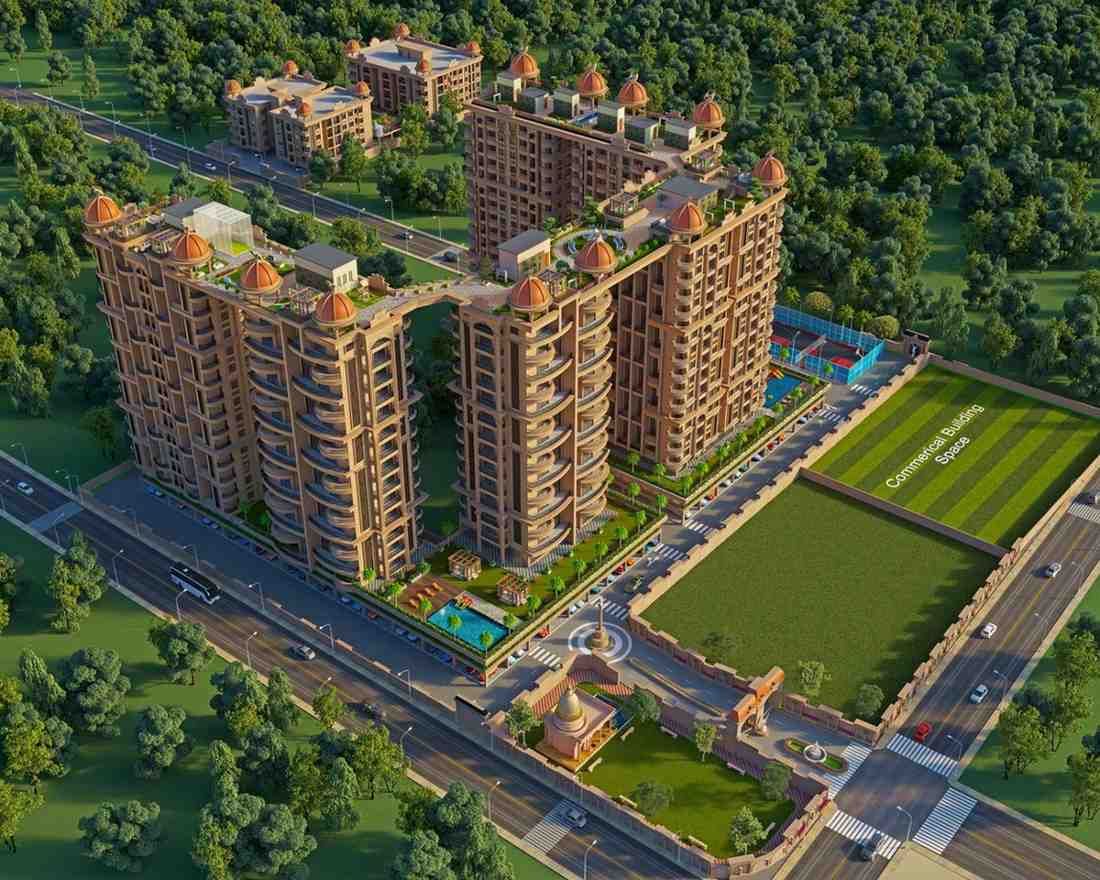
The upcoming metro project will improve intra city connectivity. The presence of IIT Indore and IIM Indore creates a skilled workforce attracting companies.
The city's central location in India makes it a logistics hub for distribution and warehousing operations.
Jaipur combines tourism, education, and emerging IT sectors to create diverse economic drivers. The metro connectivity and infrastructure improvements are opening new areas for development.
The IT and ITES sector is growing with companies establishing operations in Mahindra World City and other IT parks. The education sector creates rental demand from students and faculty.
The metro project and the Jaipur Ring Road are improving connectivity and opening peripheral areas.
The Chandigarh tricity region offers planned urban development with good infrastructure and quality of life. The IT sector growth in Mohali creates employment and housing demand.
The IT sector in Mohali employs over 50,000 professionals. The presence of educational institutions including PGI and Panjab University creates rental demand.
The planned nature of Chandigarh ensures quality infrastructure and organized development.
| City | Entry Price | Appreciation | Rental Yield | Total Return | Best For |
|---|---|---|---|---|---|
| Hyderabad | ₹45–65 lakhs | 9–12% | 3–4% | 12–16% | Highest ROI |
| Bangalore | ₹60–80 lakhs | 8–10% | 2.5–3.5% | 10.5–13.5% | Tech professionals |
| Pune | ₹50–70 lakhs | 7–9% | 2.5–3% | 9.5–12% | Balanced returns |
| Ahmedabad | ₹35–50 lakhs | 8–11% | 3–3.5% | 11–14.5% | Affordable entry |
| Gurgaon | ₹70–90 lakhs | 6–8% | 2–3% | 8–11% | Stable income |
| Noida | ₹40–60 lakhs | 5–7% | 2.5–3.5% | 7.5–10.5% | Airport proximity |
| Chennai | ₹50–70 lakhs | 6–8% | 2.5–3% | 8.5–11% | Manufacturing hub |
| Indore | ₹30–45 lakhs | 7–9% | 3–3.5% | 10–12.5% | Tier 2 champion |
| Jaipur | ₹35–50 lakhs | 6–8% | 2.5–3% | 8.5–11% | Heritage tourism |
| Chandigarh | ₹50–70 lakhs | 6–8% | 2–2.5% | 8–10.5% | Planned city |
Your choice should align with your investment goals, capital availability, and risk tolerance.
Instead of putting all capital in one city, consider investing in 2 to 3 cities to reduce location specific risk. A portfolio with properties in Hyderabad, Pune, and Ahmedabad provides geographic diversification.
For 3 to 5 year horizons, choose cities with immediate catalysts like Noida (airport) or Ahmedabad (GIFT City). For 7 to 10 year horizons, established cities like Bangalore and Pune offer steady compounding.
Invest in cities you can visit regularly to monitor properties and manage tenants. If you live in Bangalore, investing there or in nearby Pune makes more sense than distant Ahmedabad.
Partner with local property consultants or use platforms like TogetherBuying that provide on ground expertise and verification in multiple cities.
The Indian real estate market in 2026 offers opportunities across diverse cities, each with unique strengths. Hyderabad emerges as the top choice for investors seeking maximum returns, while Bangalore suits those prioritizing established infrastructure and rental income.
Tier 2 cities like Ahmedabad, Indore, and Jaipur provide excellent value for investors with limited capital or those seeking higher percentage returns on smaller investments. The key is matching city characteristics with your specific investment goals and constraints.
Regardless of which city you choose, focus on locations with strong fundamentals including job growth, infrastructure development, and quality developers. Conduct thorough due diligence, verify RERA compliance, and plan for long term holding periods to maximize your real estate investment success.
Book through TogetherBuying.in and save 15-20% through group buying. Join smart investors maximizing returns.
Contact Us
Fill out this form
& we'll get back
to you
Recommended for you