Market Trends
Top 15 Costliest Houses in India 2026: Owners, Valuations, and Features

14 May 2026
Market Trends
14 May 2026
Content
No Blogs content found
It looks like there haven’t been any blogs yet!
India's ultra-luxury residential real estate market tells a story of wealth concentration, architectural ambition, and strategic real estate investment by the country's billionaire class. With 140 billionaires calling India home, the demand for trophy properties has never been higher.
The costliest houses in India aren't just residences. They're status symbols, wealth preservation assets, and in many cases, architectural landmarks. From Mumbai's sea-facing mansions to Delhi's heritage bungalows to Bangalore's tech magnate estates, India's most expensive homes command prices that rival international luxury hotspots.
This guide covers India's top 15 costliest residential properties with verified valuations, exact locations, and the stories behind why these homes cost what they do.
| Rank | Property | Owner | City | Estimated Value | Key Feature |
|---|---|---|---|---|---|
| 1 | Antilia | Mukesh Ambani | Mumbai | Rs 15,000 crore | 27-floor private skyscraper |
| 2 | JK House | Gautam Singhania | Mumbai | Rs 6,000 crore | 30-floor luxury high-rise |
| 3 | Abode | Anil Ambani | Mumbai | Rs 5,000 crore | 17-floor penthouse, Pali Hill |
| 4 | Lincoln House | Cyrus Poonawalla | Mumbai | Rs 750 crore | Grade-III heritage, 2 acres |
| 5 | Gulita | Isha Ambani & Anand Piramal | Mumbai | Rs 450 crore | Sea-facing, 5 floors, Worli |
| 6 | Renuka Talwar Bungalow | Renuka Talwar | Delhi | Rs 435 crore | Lutyens heritage property |
| 7 | Jatia House | KM Birla | Mumbai | Rs 425 crore | Malabar Hill mansion, 20 bedrooms |
| 8 | Adani Lutyens Bungalow | Gautam Adani | Delhi | Rs 400 crore | Lutyens estate, 3.4 acres |
| 9 | Premji's Whitefield House | Azim Premji | Bangalore | Rs 350 crore | Luxury farmhouse |
| 10 | Malabar Hills Triplex | Niraj Bajaj | Mumbai | Rs 252 crore | Sea-facing, 8 parking levels |
| 11 | Mannat | Shah Rukh Khan | Mumbai | Rs 200 crore | 6-story sea-facing bungalow |
| 12 | Ahuja House | Anand Ahuja | Delhi | Rs 173 crore | Prithviraj Road residence |
| 13 | Ratan Tata Retirement Home | Late Ratan Tata | Mumbai | Rs 150 crore | 7-floor sea-facing mansion |
| 14 | Jindal House | Sajjan Jindal | Delhi | Rs 150 crore | Lutyens, 3-acre estate |
| 15 | Jalsa | Amitabh Bachchan | Mumbai | Rs 120 crore | 2-story Juhu residence |
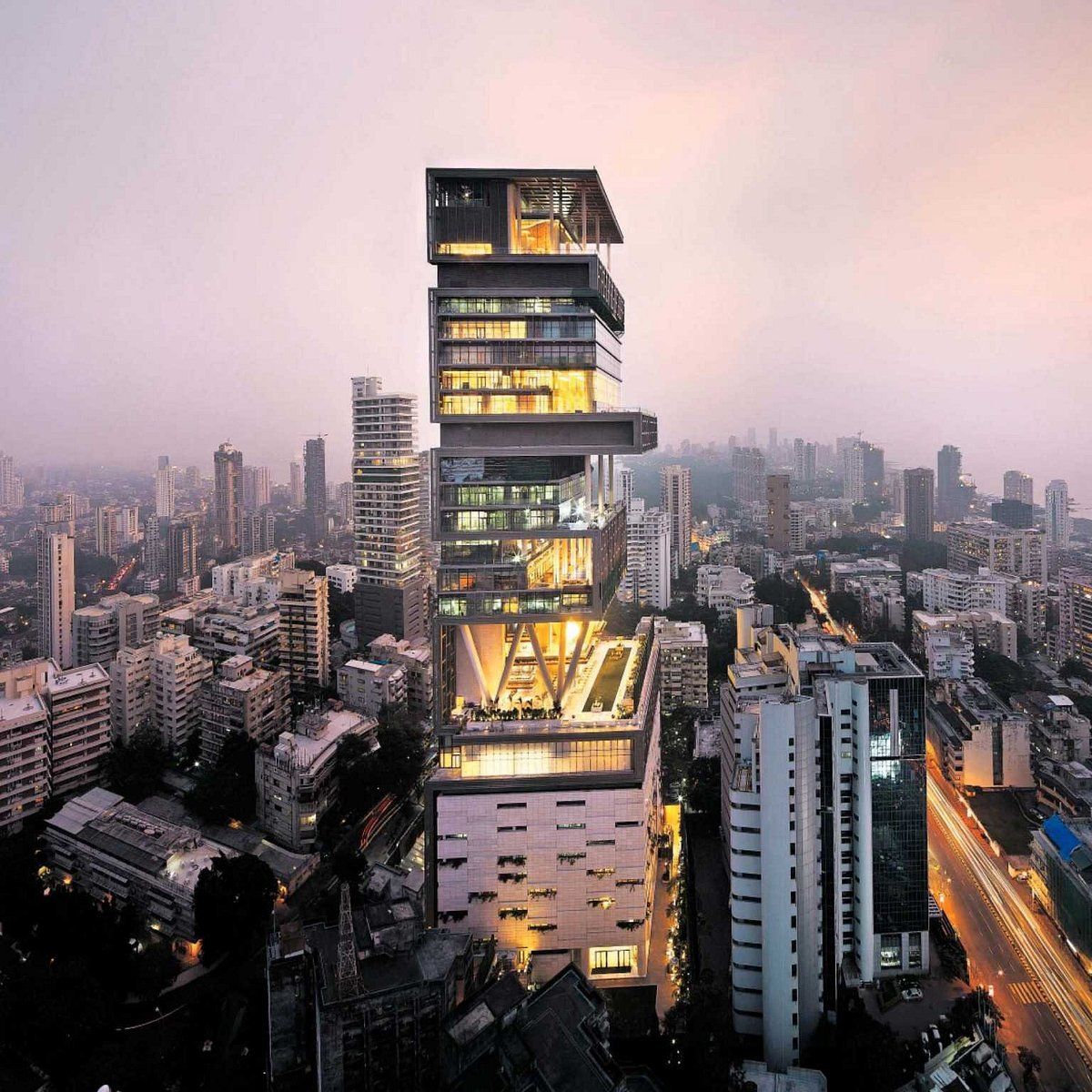
Antilia stands as India's most expensive residence and ranks among the world's costliest private homes. The building dominates Mumbai's skyline at 568 feet tall, a structure so distinctive that it's become synonymous with Mukesh Ambani's wealth and Reliance's market dominance.
The property is a feat of engineering. The building can withstand earthquakes up to magnitude 8.0 on the Richter scale. It features nine high-speed elevators, three helipads, and a structural design where no two floors share the same layout or materials.
Inside Antilia, the luxury is overwhelming. There's an 80-seat movie theater with professional-grade equipment, an ice cream parlor, salon, gym, and multiple swimming pools. The six levels of underground parking accommodate over 160 vehicles. Climate control systems regulate temperature in individual rooms. Power generation is autonomous—the building has its own electrical systems and water treatment plants.
The residence requires approximately 600 staff members to operate. Security is multi-layered with reinforced concrete walls, bulletproof windows, and sophisticated surveillance systems. Every detail, from imported marble to crystal accents and mother-of-pearl inlays, speaks to expense without compromise.
The valuation reflects Antilia's unprecedented nature. It's not just expensive because of size or location—it's expensive because nothing like it exists elsewhere. The property represents the ultimate expression of what India's richest industrialist wants his home to be.
JK House is the second-tallest private residential building in India and sits directly on Altamount Road—India's "Billionaires Row" alongside Antilia. The property's location alone commands extraordinary value.
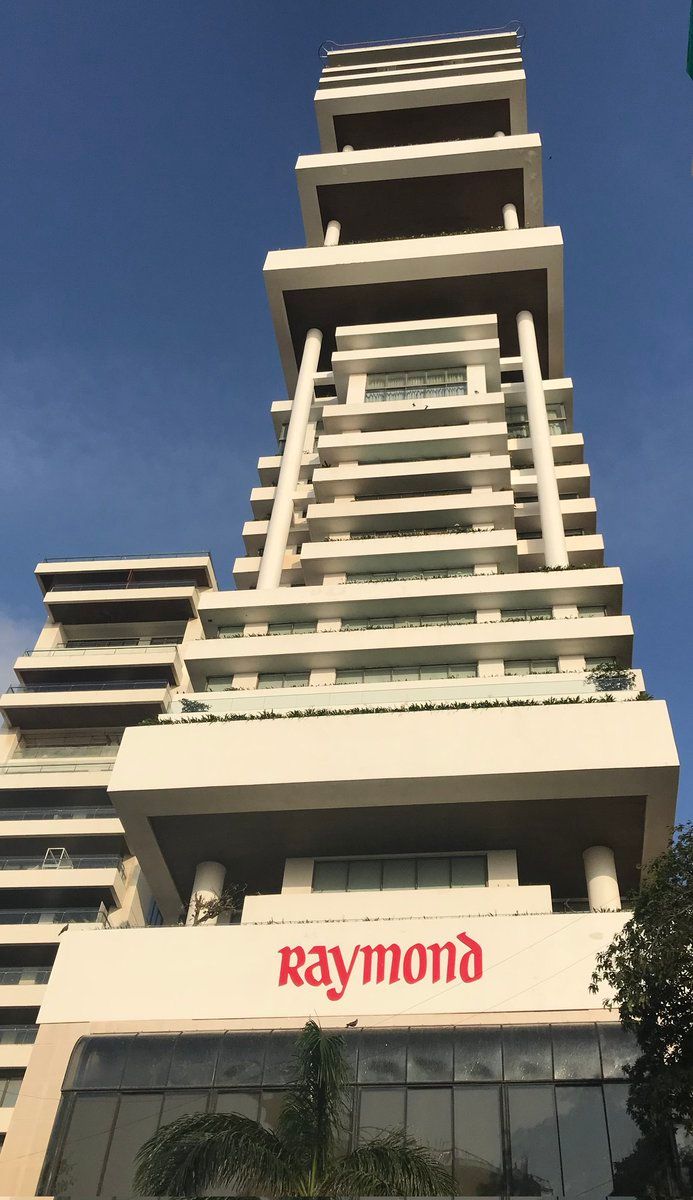
The 30-story structure houses Gautam Singhania's primary residence along with separate units for family members. Each family section can operate independently with its own entrance and privacy. The design is deliberate—to offer luxury living while maintaining family privacy.
The property features two swimming pools, five floors of reserved parking for high-end vehicles, a dedicated helipad for helicopter access, spa facilities, and a fully equipped gym. Upper floors have access to landscaped terraces and gardens. The building sits in one of Mumbai's most expensive real estate corridors, where land scarcity drives valuations to extraordinary levels.
JK House represents old-money wealth meeting contemporary luxury. The Raymond Group's long-standing position in India's textile and real estate sectors makes this property a natural asset for the family's profile.
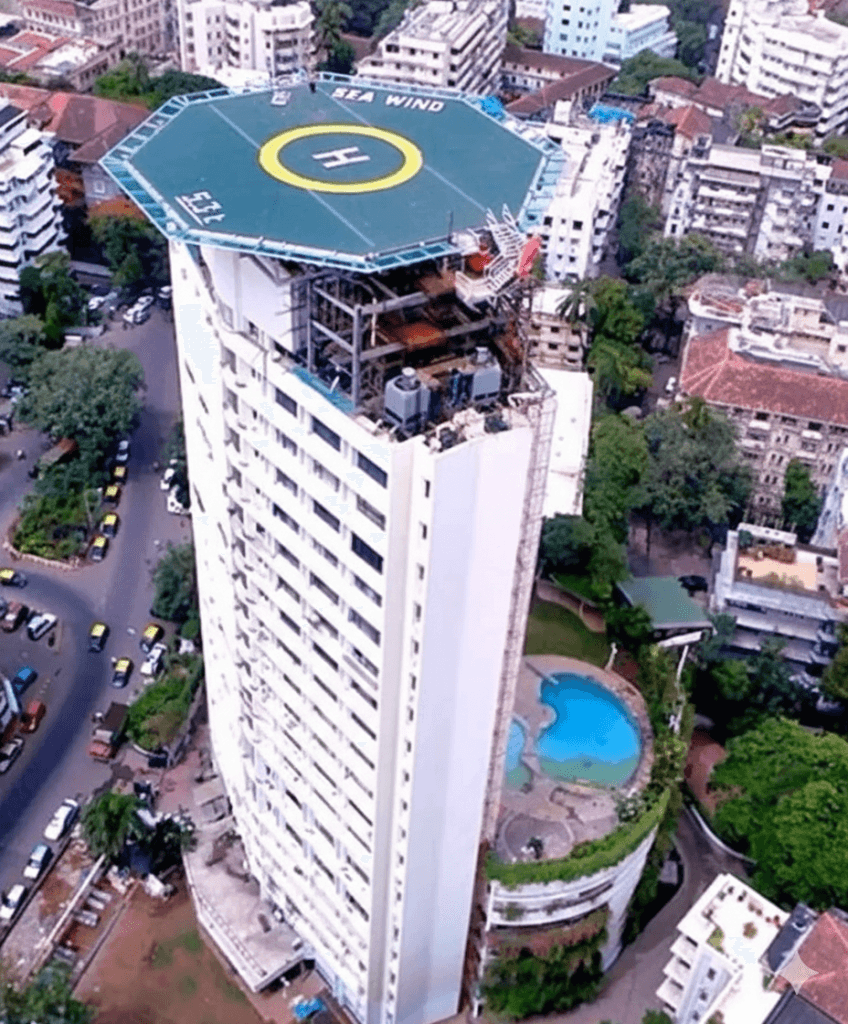
Abode was originally Mukesh Ambani's residence before the family moved to Antilia. The property represents an earlier generation of ultra-luxury living in Mumbai. The 17-story building in Pali Hill overlooks Mumbai's western coastline. The entrance features glass walls and natural lighting flowing into white interiors, a design choice that speaks to contemporary luxury. The property includes a gym, spa, swimming pool, and all the amenities expected at this price point.
Abode's location in Pali Hill places it near Malabar Hill, one of Mumbai's most exclusive neighborhoods. The property is smaller than Antilia but commands a valuation in the thousands of crores due to its location, design, and the status of its owner.
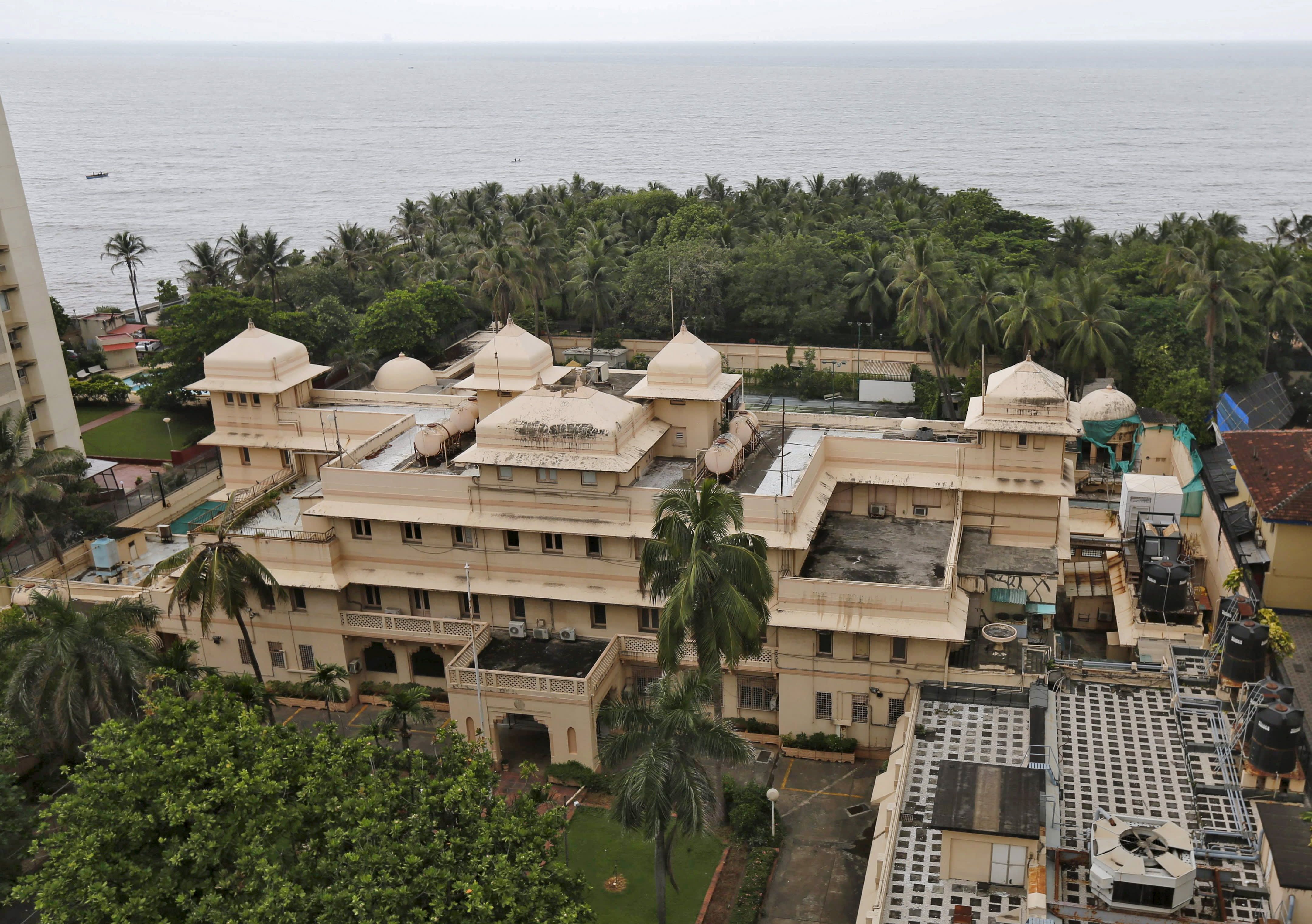
Lincoln House has a fascinating history. Originally built as the mansion of a Maharaja of Wankader, the property later became the U.S. Consulate in Mumbai during the Cold War era. Cyrus Poonawalla acquired it in 2015 after it became available for private purchase.
The property's Grade-III heritage status means it's protected by conservation regulations, but unlike Grade-I properties, it allows for redevelopment within certain constraints. The Poonawalla family chose to preserve it as a residential estate. The 2-acre plot in Beach Candy is extraordinarily valuable in a city where land is scarce. The property commands direct views of the Arabian Sea. The 50,000 square foot built-up area provides ample space for a residence of this caliber.
Lincoln House represents a unique segment—historic properties with heritage value that command premium prices not just for their current condition but for their historical significance and the scarcity of similar Grade-III properties in prime locations.
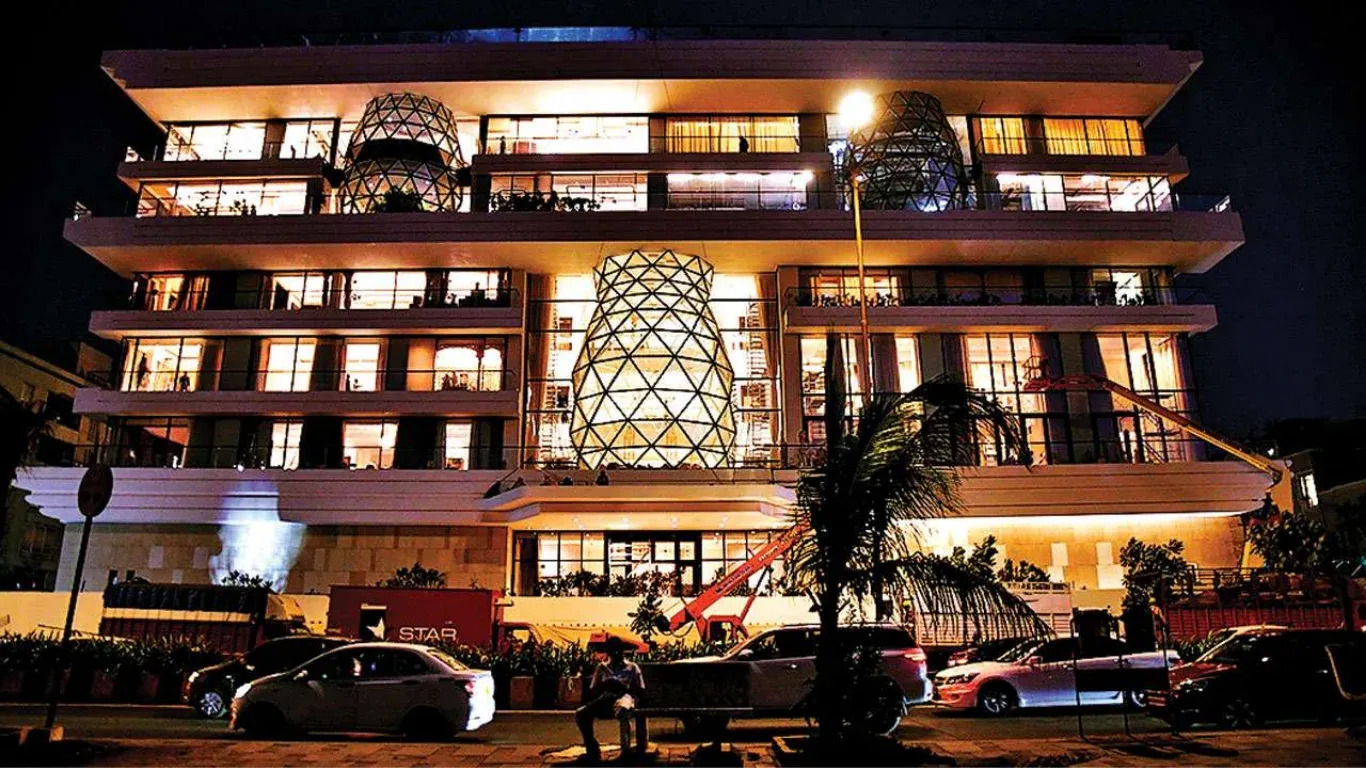
Gulita is one of Mumbai's most modern ultra-luxury properties. Purchased and renovated as a wedding gift for Isha Ambani (daughter of Mukesh Ambani) and Anand Piramal by the Piramal family, it received its occupancy certificate in 2018 after significant renovation work.
The five-floor property faces the Arabian Sea directly, commanding one of Mumbai's most coveted views. The extensive 500,000 square foot area provides space that's uncommon even among ultra-luxury properties. The design was completed by Eckersley O'Callaghan, a prestigious London-based architecture and engineering firm known for luxury residential and hospitality projects.
Gulita represents contemporary wealth, a property designed from scratch with modern technology, environmental considerations, and the latest in luxury amenities. The wedding gift aspect also speaks to how India's ultra-wealthy spend money on family milestones.
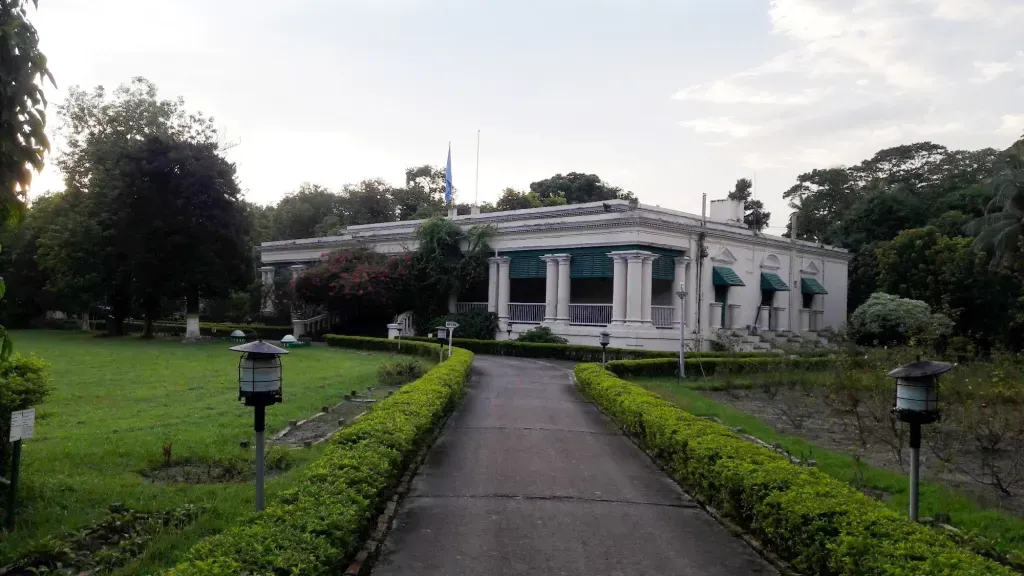
Renuka Talwar, heiress to the DLF empire, owns one of Delhi's most valuable private residences. The property is located on Prithviraj Road, part of the Lutyens Bungalow Zone, Delhi's most exclusive residential area designed by Sir Edwin Lutyens during the British Raj.
Purchased in 2016 for Rs 435 crores, the property represents generational wealth and strategic real estate investment. The Lutyels area is characterized by large land parcels, heritage architecture, and extreme scarcity. Properties here rarely come on the market, and when they do, valuations reflect their uniqueness.
The bungalow provides the kind of privacy and space that's essentially impossible to replicate in modern Delhi. The property sits on several acres with manicured gardens and established infrastructure. It's not just a home but a piece of Delhi's colonial heritage with contemporary luxury retrofitted throughout.
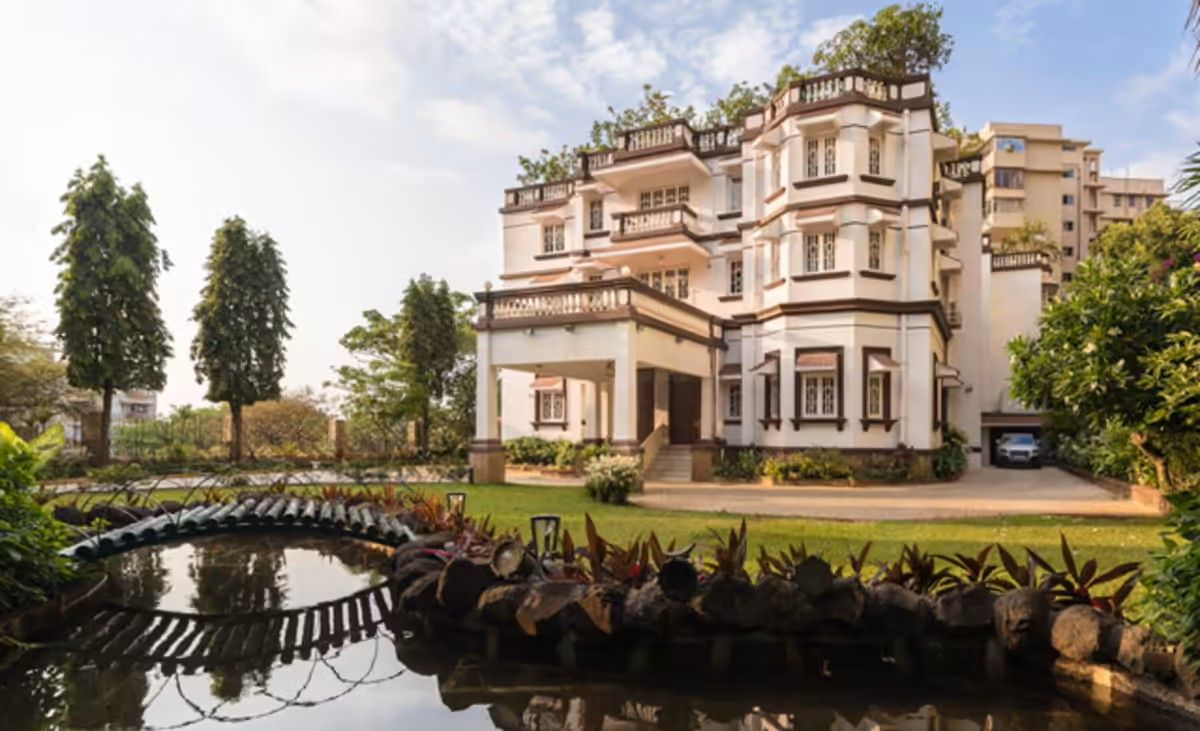
Malabar Hill is Mumbai's most exclusive residential neighborhood, home to industrialists, celebrities, and old-money families. Jatia House sits at the heart of this ultra-premium area, a sea-facing mansion that speaks to KM Birla's status as one of India's most prominent industrialists.
The property is designed for entertaining on a grand scale. The 30,000 square foot built-up area across 20 bedrooms can host events for 500-700 people. The mansion features:
The property's value reflects Malabar Hill's extreme scarcity. There are fewer than 500 residential properties on this exclusive hill. No new land is available for development. When properties do change hands, they command premium valuations that reflect both the physical property and the irreplaceable location.
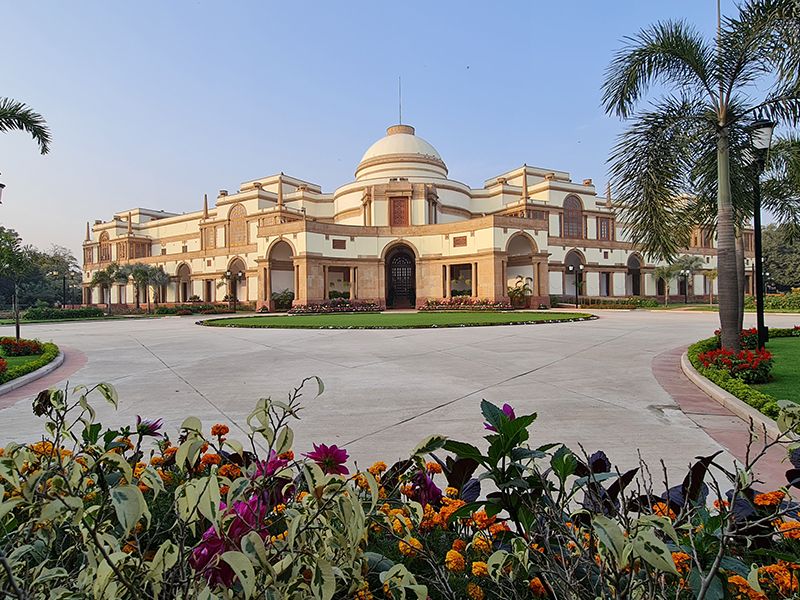
The Adani Lutyels property came to Gautam Adani through a bankruptcy resolution of a previous owner. The transaction itself was significant—the property transferred to Adani Properties Private Limited, reflecting the strategic real estate portfolio of India's second-richest industrialist.
The 3.4-acre estate in Lutyels provides the kind of space and privacy that's essential for someone of Adani's stature. The property includes:
The Lutyels location is paramount. Grade-I heritage status on some nearby properties doesn't exist here, but the area itself is protected and restricted for development. This preservation keeps it exclusive. The architecture reflects New Delhi's colonial heritage reimagined for contemporary luxury living.
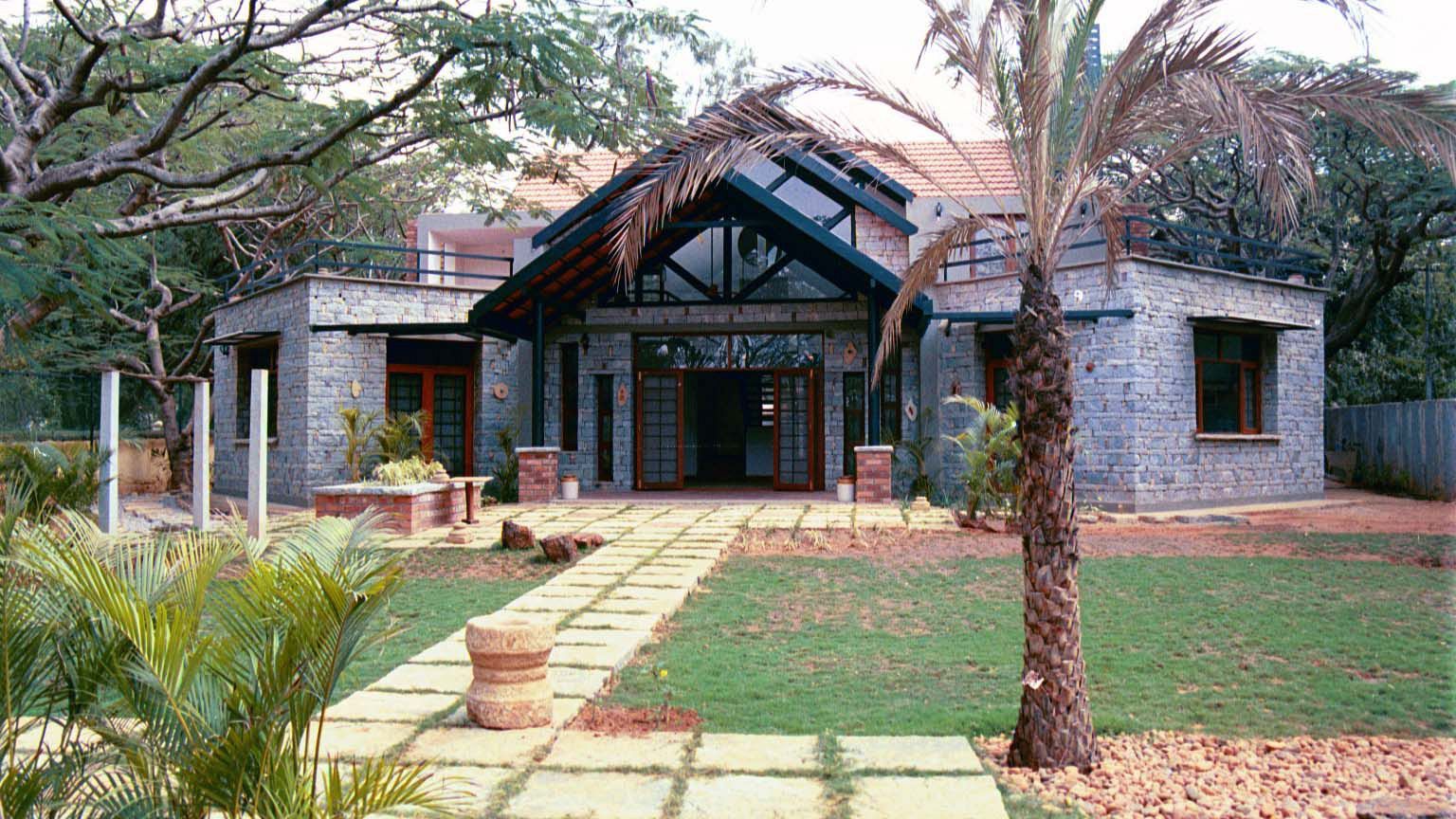
While Bangalore's ultra-luxury market lags behind Mumbai and Delhi in absolute valuations, Azim Premji's Whitefield property represents the emerging wealth from India's tech sector. Wipro's growth from a small company in the 1980s to a global tech giant reflects Bangalore's importance as India's IT capital.
The farmhouse in Whitefield features:
The property reflects a different luxury philosophy than Mumbai's sea-facing skyscrapers or Delhi's heritage bungalows. It emphasizes space, greenery, and the lifestyle that tech wealth enables—less about status display and more about quality of living.

Niraj Bajaj, representing one of India's oldest business families, purchased this property in 2023 from Macrotech Developers. The acquisition underscores how ultra-wealthy industrialists continuously upgrade their real estate portfolios.
The Malabar Hills location is the decisive factor. The triplex configuration—spanning multiple floors in a high-rise—provides the privacy and space of a bungalow with the security and services of a building. The property is sea-facing, commanding direct Arabian Sea views.
Eight dedicated parking levels is an extraordinary feature, reflecting Bajaj's collection of high-end vehicles. The 18,000 square foot built-up area provides space that rivals many independent mansions.
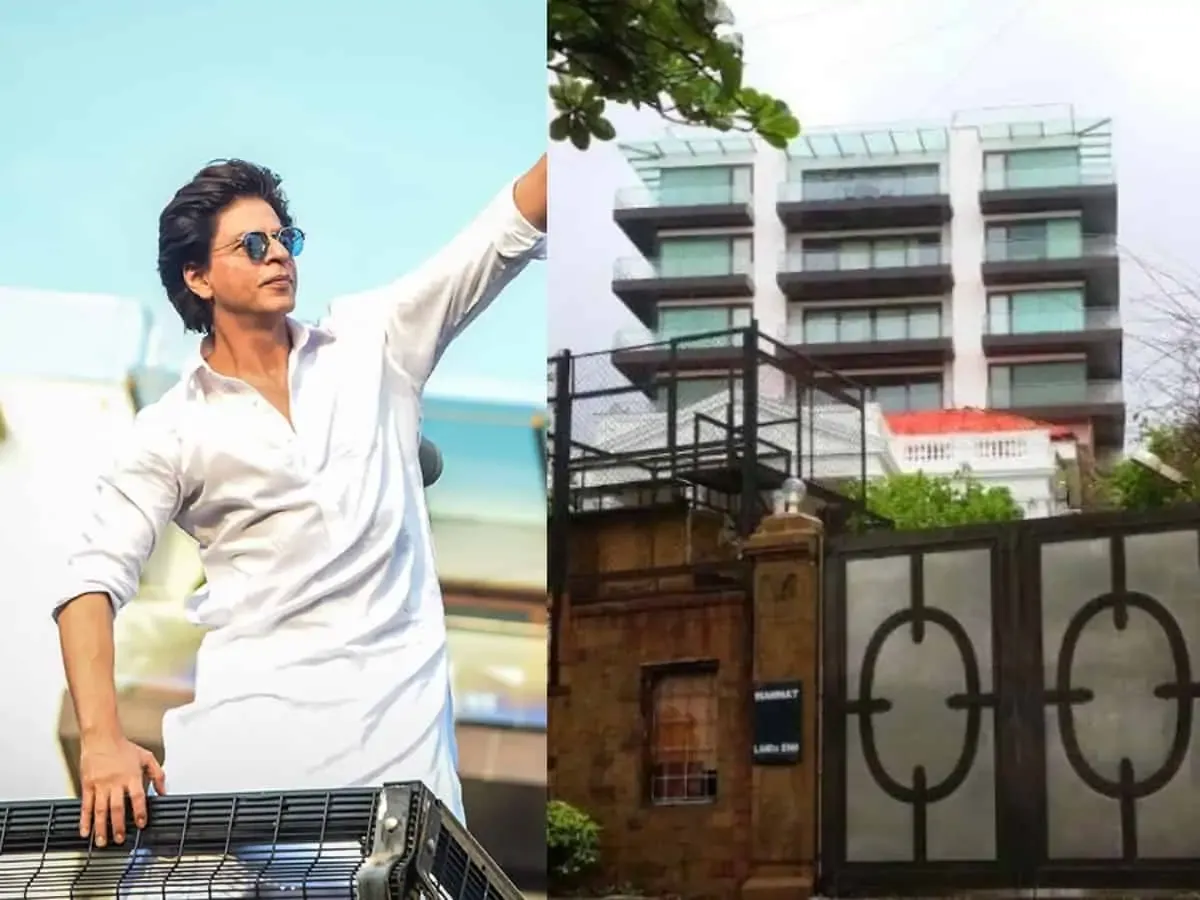
Mannat is probably India's most famous celebrity home. The sea-facing bungalow sits in Bandstand, Bandra—one of Mumbai's most exclusive neighborhoods where celebrities and wealthy families cluster along the coastline.
The property features:
Gauri Khan, Shah Rukh Khan's wife and an accomplished interior designer, collaborated with renowned designer Kaif Faquih on the interiors. The result is a home that blends contemporary design with carefully curated art and antiquities. Mannat's cultural significance adds to its valuation. The property has appeared in countless films, media profiles, and tourist guides. Thousands of fans visit Bandra daily hoping for a glimpse of the superstar. This celebrity premium, the intangible value of owning a famous home, adds measurably to the property's worth beyond the physical structure.
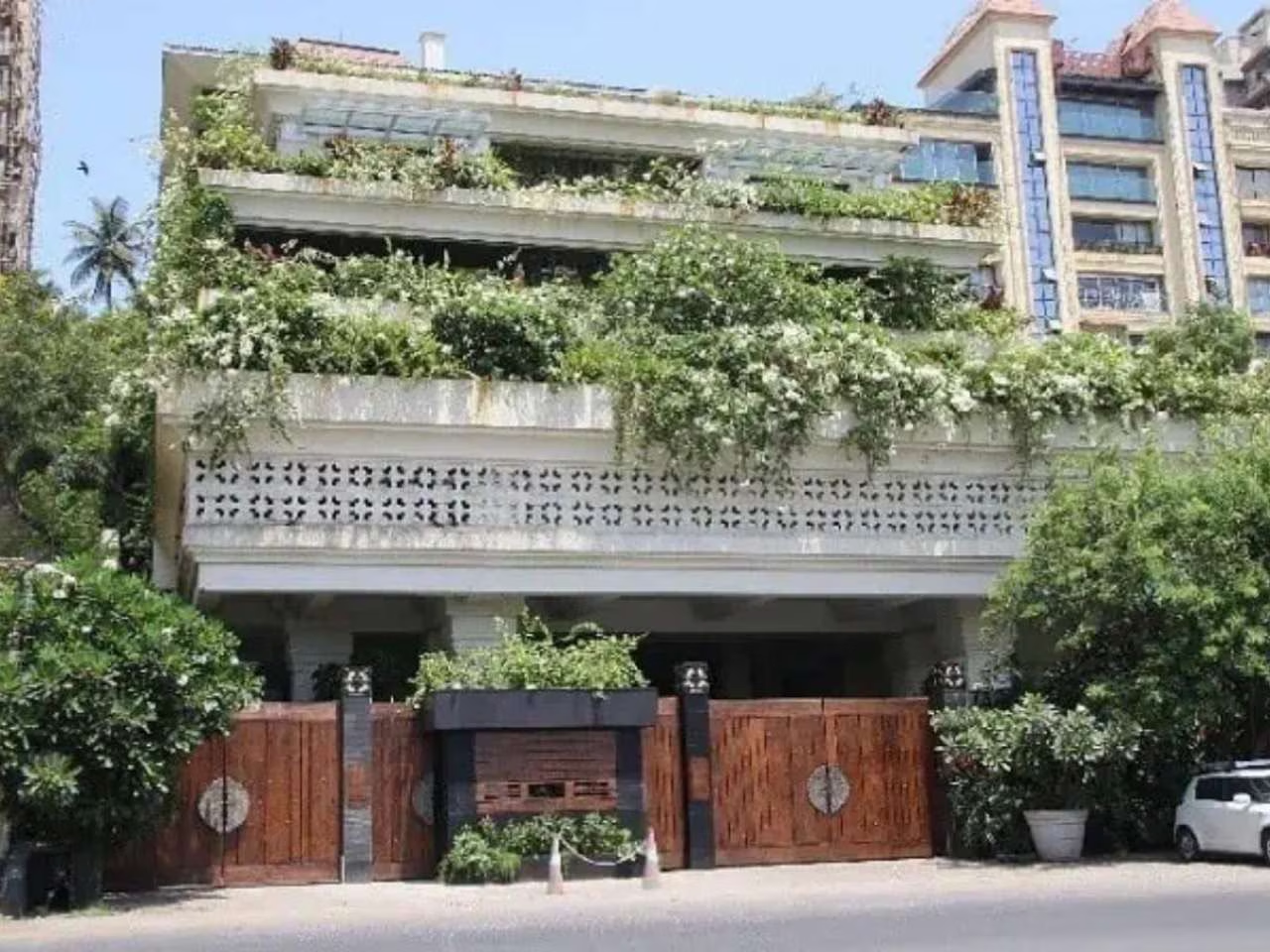
Anand Ahuja, a businessman married to actress Sonam Kapoor, owns this Prithviraj Road property, one of Delhi's most exclusive addresses. The bungalow represents the intersection of old money and contemporary wealth.
The property features:
The Prithviraj Road location is paramount. It's home to numerous celebrities, politicians, and industrialists. The address itself carries immense prestige. Properties here command premium valuations based purely on scarcity and established exclusivity.
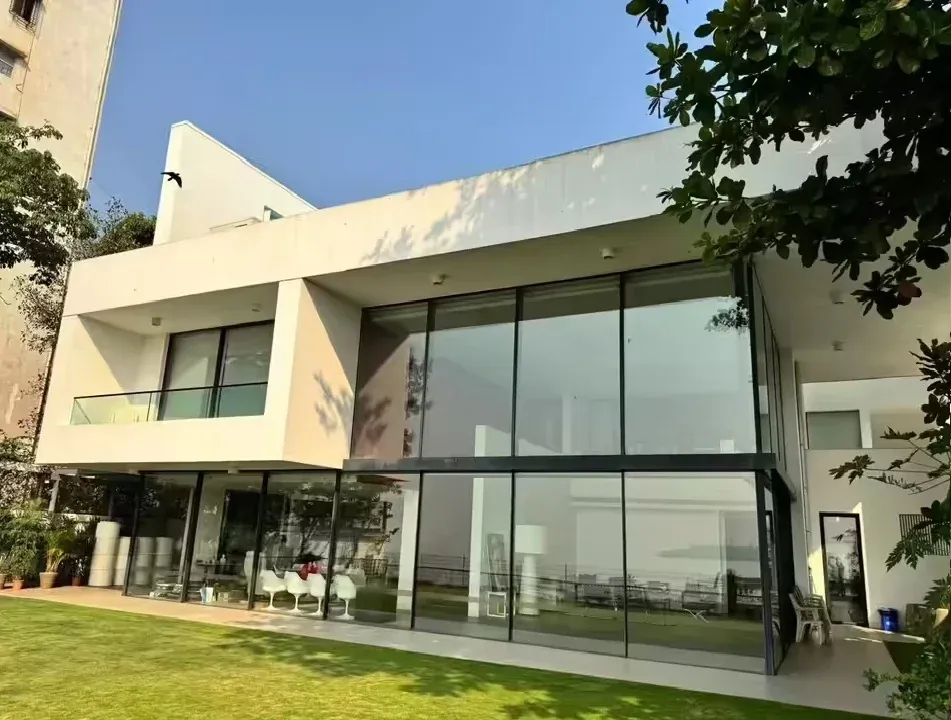
The late Ratan Tata's retirement home in Colaba is an all-white mansion that commands direct Arabian Sea views. The 7-floor structure spreads across 13,350 square feet with meticulous design throughout.
Key features include:
The property's significance lies not just in its architecture but in its owner's stature. Ratan Tata is viewed as one of India's most respected industrialists and philanthropists. His choice of a relatively modest (by billionaire standards) Colaba residence speaks to his personality, understated luxury rather than ostentatious display.
The Colaba location itself is historically significant, with properties here dating back to British-era Mumbai. The neighborhood has transformed into an upscale residential area while maintaining its historical character.
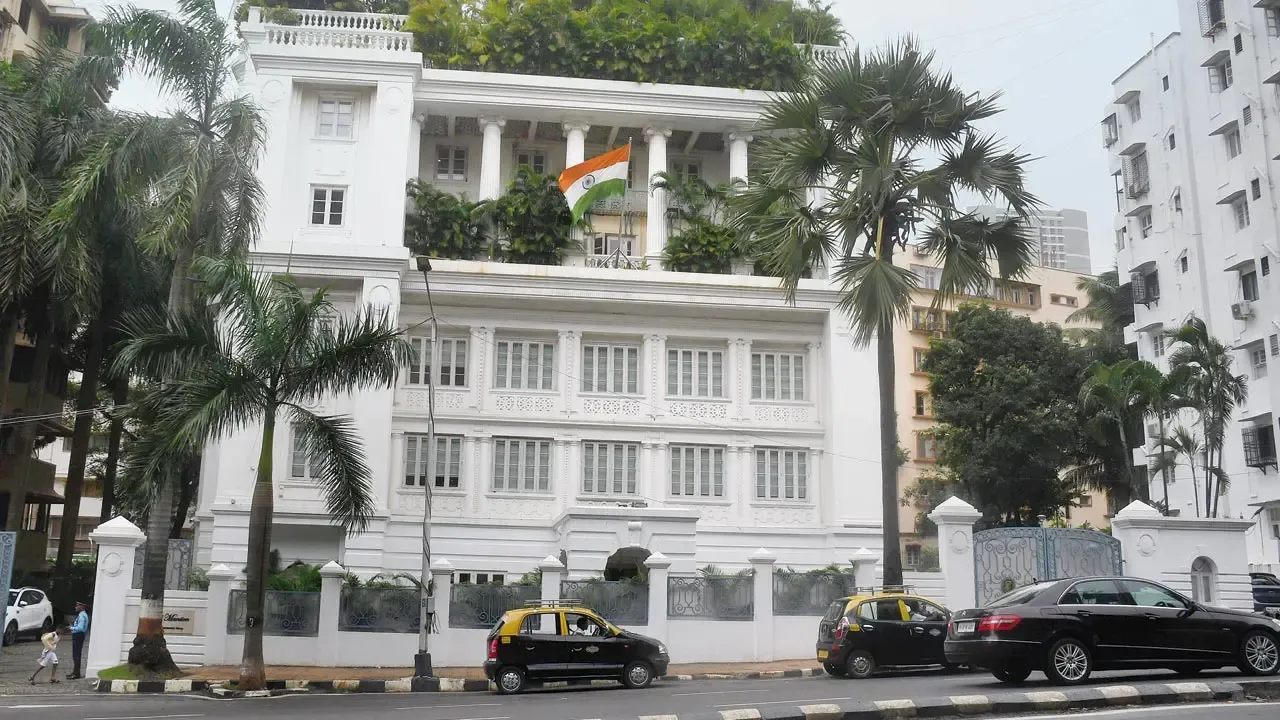
Sajjan Jindal, industrialist and politician, owns this sprawling 3-acre estate in Delhi's most exclusive neighborhood. The property sits amidst the greenery of the Lutyels zone, where mature trees, expansive gardens, and architectural heritage define the character.
The estate represents Lutyels at its finest—large land parcels, heritage architecture, and the kind of privacy that's essential for someone of Jindal's public profile. The 3-acre size is extraordinary even by Lutyels standards, where 1-2 acres is more common.
The value reflects both the property's physical characteristics and the extreme scarcity of available land in this area. The Lutyels Bungalow Zone is essentially locked, properties pass between families or to ultra-wealthy individuals. New development is essentially impossible.
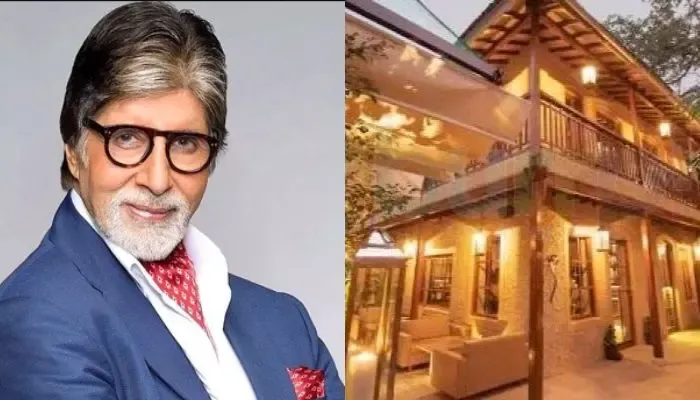
Jalsa (meaning "celebration") holds immense cultural significance in Indian cinema. The double-story bungalow in Juhu was originally named "Mansa" but was renamed to Jalsa on an astrologer's recommendation—a detail that speaks to Amitabh Bachchan's personality and beliefs.
The property was gifted to Amitabh Bachchan by director Ramesh Sippy after completing work on the iconic film "Satte Pe Satta." Multiple Bachchan classics including "Chupke Chupke" and "Anand" were shot inside Jalsa, making it a landmark in Indian cinema history.
Features include:
Jalsa's cultural value exceeds its physical characteristics. The property is visited daily by thousands of fans seeking to glimpse the living legend. This makes it more than a residence, it's a cultural monument.
The Juhu location, while less exclusive than Bandra or Malabar Hill, carries its own prestige as a historic Bollywood neighborhood. Properties here have appreciated steadily over decades as the area gentrified and wealthy families established roots.
Mumbai accounts for 11 of the top 15 costliest houses in India. This dominance reflects: Wealth Concentration: Mumbai hosts India's largest concentration of billionaires and industrialists. Reliance, Tata Group, Wipro, and numerous financial services firms are headquartered here.
Sea-Facing Premium: Properties with direct Arabian Sea views command extraordinary premiums. A sea-facing property costs 3-4x more than an identical property one kilometer inland.
Scarcity: Mumbai has zero available premium land. Properties rarely change hands. When they do, scarcity-driven pricing applies. International Appeal: Mumbai attracts global capital and international investors seeking Indian trophy assets.
Delhi: Heritage properties command respect but not as much in absolute rupees. Lutyels bungalows are valuable but don't match Mumbai's premium per square foot. Bangalore: The tech wealth is newer. Properties here are expensive but lack the multigenerational premium of Mumbai's sea-facing coastal real estate.
India's 15 costliest houses represent more than shelter. They're wealth preservation vehicles, status symbols, and increasingly, alternative investments. The concentration in Mumbai reflects India's economic structure—wealth flows to the financial capital. The concentration in premium neighborhoods reflects fundamental scarcity, there's only so much sea-facing land or Lutyels space available. This scarcity ensures that these properties will continue to appreciate as India's billionaire class grows and competition for trophy assets intensifies.
The properties listed here will likely see their valuations increase substantially over the next 5-10 years, not through inflation alone but through genuine supply constraints and increased demand from new wealth creation in India's economy.
Contact Us
Fill out this form
& we'll get back
to you
Recommended for you