Vastu Shastra
Top 20 Feng Shui Items for Good Luck and Prosperity at Home
16 May 2026
Vastu Shastra
16 May 2026
Content
No Blogs content found
It looks like there haven’t been any blogs yet!
Walk into a home that feels instantly calm, warm, and full of life, and there is a good chance the person living there has put some thought into the energy of their space. That is, at its heart, what Feng Shui is about. Originating in ancient China over 3,000 years ago, Feng Shui is a traditional system of philosophy and spatial arrangement based on the belief that the placement of objects, furniture, and symbols directly influences the flow of energy (called chi or qi) in a space. When that energy flows freely and positively, it is believed to invite good luck, wealth, health, and harmony into the lives of the people within.
Today, Feng Shui items for good luck are used across the world, not only in traditional Chinese households but in modern apartments, offices, and retail spaces. What makes these items interesting is that many of them double as genuinely attractive home decor. The Laughing Buddha on a shelf, the crystal lotus on a desk, the gentle sound of a wind chime near the entrance, all of these serve an aesthetic purpose even before you consider their symbolic meaning.
This guide covers 20 carefully chosen Feng Shui items for wealth, protection, relationships, and positive energy, with placement guidance, symbolism, what to avoid, and how each fits into a modern home.
According to Feng Shui philosophy, every object carries its own energetic quality. Some attract abundance, some ward off negative influences, and some activate specific areas of life such as career, love, or health. These energies interact with the chi that moves through your home.
The concept of chi is central to understanding why placement matters so much. Chi ideally flows smoothly through a space the way a gentle river moves, not stagnant, not rushing. Clutter blocks it. Broken objects disrupt it. Certain symbols and materials are thought to amplify it in a positive direction.
Feng Shui divides your living space into a grid called the Bagua map, which assigns specific life areas (wealth, family, fame, love, creativity, knowledge, career, helpful people, and health) to corresponding sections of a home or room. Most Feng Shui items work best when placed in the zone that corresponds to what you want to attract.
That said, Feng Shui is a belief system, not a science. Approaching it with genuine intention, an open mind, and a sense of aesthetic care tends to bring the best results, regardless of your personal philosophy.
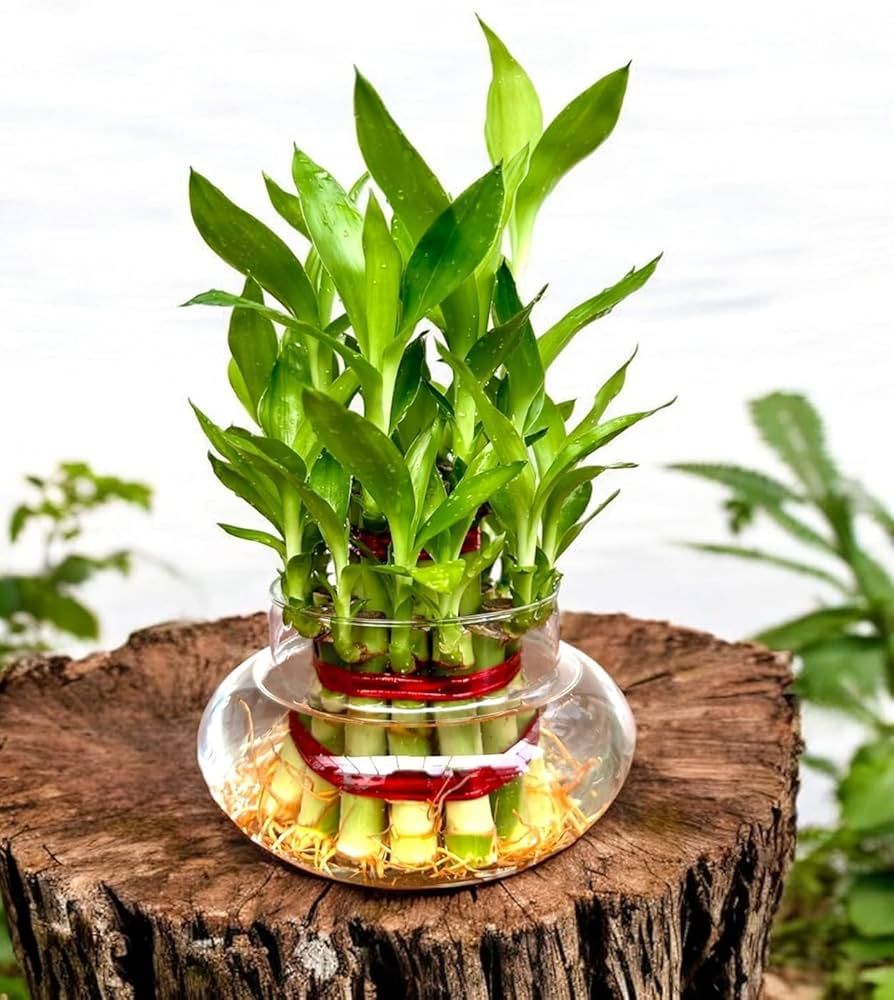
Meaning and Symbolism Lucky bamboo is one of the most universally recognised Feng Shui items for good luck. The plant symbolises resilience, flexibility, and upward growth. In Feng Shui, the number of stalks carries specific meaning: three stalks represent happiness, five represent health and wealth, six signify luck, seven bring positive energy, and nine are considered the most auspicious of all, representing great fortune.
Benefits According to Feng Shui It is believed to attract positive chi, improve the flow of energy in a room, and bring steady financial growth to the household. It also represents the wood element, which is associated with vitality and family prosperity.
Best Placement The east sector of the home relates to family and health, while the southeast is the wealth corner. Lucky bamboo placed in either of these areas is considered especially powerful. A small arrangement near the entrance of your home is also a welcoming choice.
Where NOT to Place It Avoid placing lucky bamboo in the bedroom as its active growing energy can disturb rest. Keep it away from direct harsh sunlight and never let the water in the vase run dry or turn murky, as stagnant water is associated with stagnant energy.
Suitable Room: Living room, entrance, office desk
Modern Decor Relevance Lucky bamboo in a clean glass vase with pebbles is a minimal, elegant desk piece that fits beautifully in both home offices and reception areas.
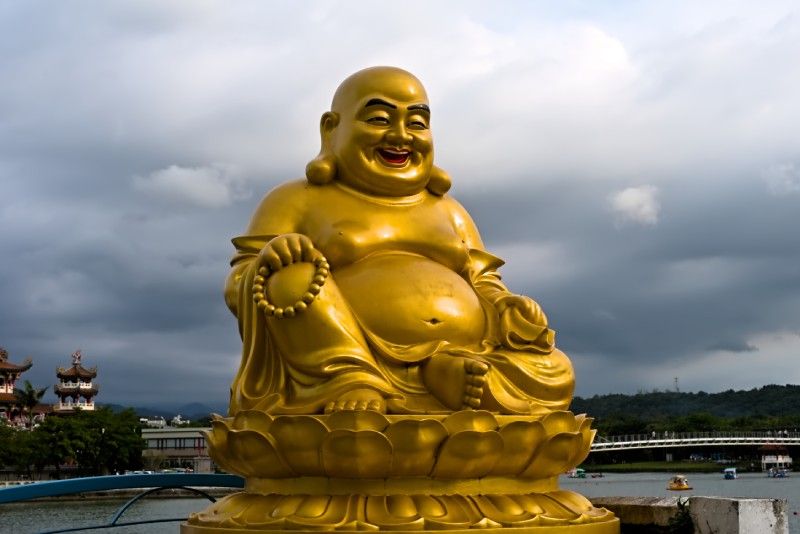
Meaning and Symbolism The Laughing Buddha, known as Budai in Chinese tradition, is not the same as Gautama Buddha. He is a folkloric figure from Chinese Buddhist and Taoist traditions, representing contentment, joy, and abundance. His wide smile, large belly, and upraised arms are said to carry good fortune wherever they are placed.
Benefits According to Feng Shui It is believed that rubbing the Laughing Buddha's belly brings good luck. Different postures carry different meanings: the Buddha with a raised hand attracts wealth, while one carrying a bag symbolises collecting good fortune, and one sitting with children nearby brings happiness to families.
Best Placement Place the Laughing Buddha on a table or shelf at eye level or above, facing the main entrance of the home. This positioning is believed to receive incoming good energy and greet it warmly. The southeast wealth corner is also considered ideal.
Where NOT to Place It Never place the Laughing Buddha on the floor, in the bathroom, or in the kitchen. These locations are considered disrespectful and are thought to reverse its positive influence.
Suitable Room: Living room, entrance hall, home office
Modern Decor Relevance A ceramic or stone Laughing Buddha in white or earthy tones works seamlessly with contemporary and Japandi-style interiors.
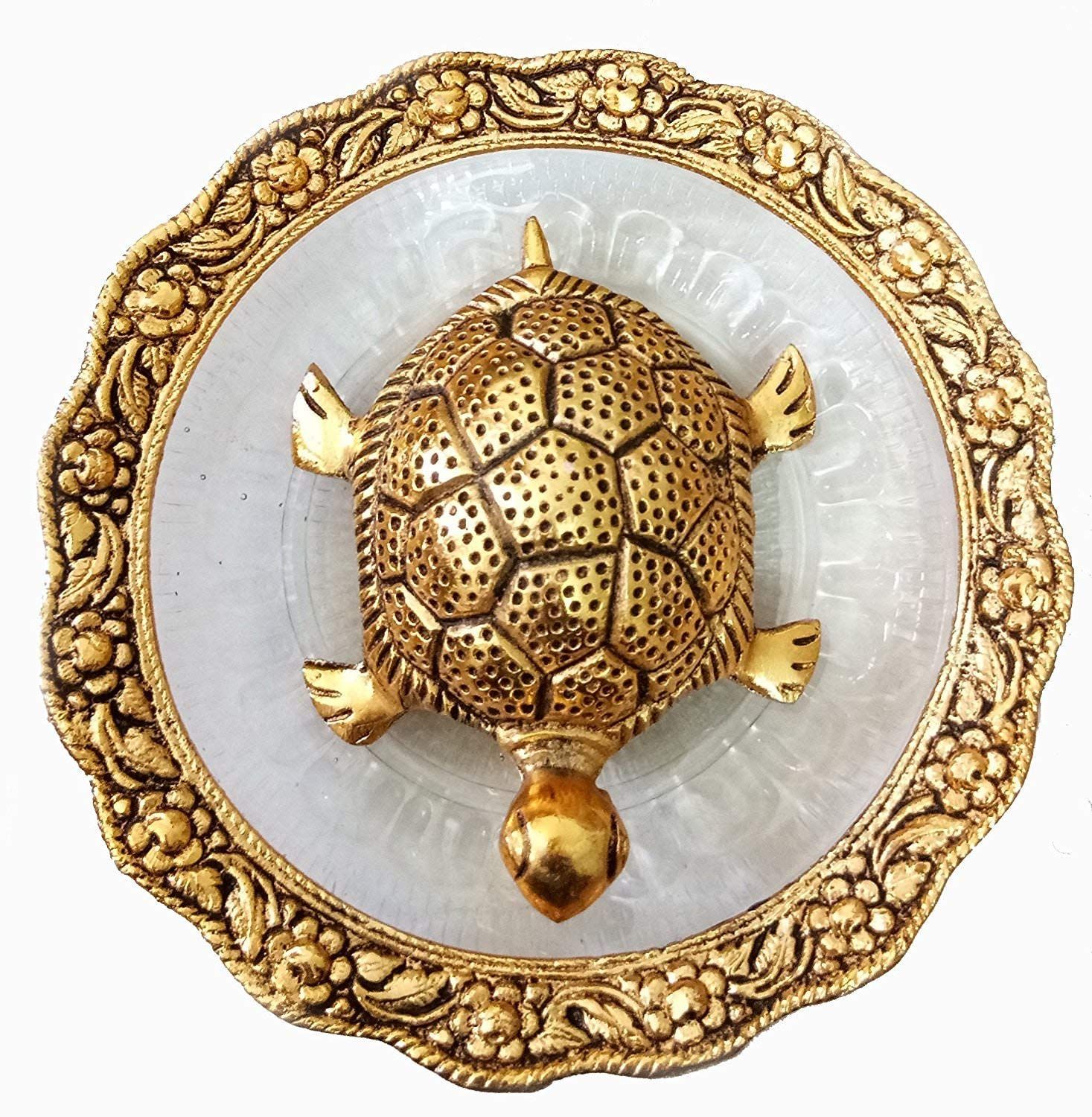
Meaning and Symbolism The tortoise is one of the four celestial animals in Feng Shui, representing longevity, wisdom, protection, and steady progress. It carries the world on its back, which in Feng Shui terms means it provides a stable, supportive foundation for the household.
Benefits According to Feng Shui It is believed to protect the home from negative energy entering through the back, stabilise a family's fortunes, and support career advancement. A crystal or jade tortoise is particularly associated with wealth energy, while a metal one is linked to career support.
Best Placement The north sector governs career in Feng Shui. A black metal tortoise placed in the north of your living room or office is considered especially effective for professional growth. Placing it near the back wall of your home (symbolising the supportive mountain energy behind you) is another classical recommendation.
Where NOT to Place It Avoid the bedroom and kitchen. Do not place the tortoise facing the main door directly, as this is thought to push energy away rather than hold it.
Suitable Room: Living room, study, office, north-facing shelf
Modern Decor Relevance A jade or crystal tortoise on a wooden shelf adds an earthy, sculptural quality that complements nature-inspired interiors.
Also Read this:- Vastu Tips for Choosing the Right Property in India
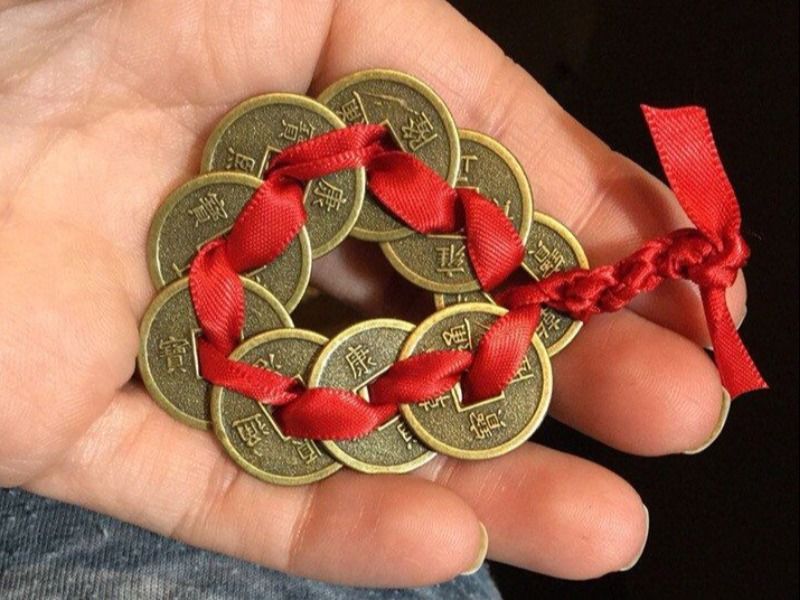
Meaning and Symbolism The traditional Chinese coin, round with a square hole in the centre, symbolises the union of heaven and earth. Tied together in sets of three with red string, these coins are among the most direct Feng Shui items for wealth, believed to activate money luck wherever they are placed.
Benefits According to Feng Shui Three coins tied with red string represent ongoing prosperity and financial activation. It is believed they amplify the energy of wherever they are placed, making wealth opportunities more likely to flow into the household.
Best Placement Tuck three tied coins inside your wallet to attract financial abundance. Place a set in the southeast wealth corner of your home or office. Hanging them near the front door or cash register (in a business) is also a common practice.
Where NOT to Place It Avoid placing coins near water sources or in the bathroom, as water is believed to wash away wealth energy in those contexts. Do not leave them in dirty or cluttered areas.
Suitable Room: Office, living room, entrance, wallet or purse
Modern Decor Relevance Framed Chinese coins make for unexpectedly sophisticated wall art in a study or home office, especially in bronze or antique finishes.
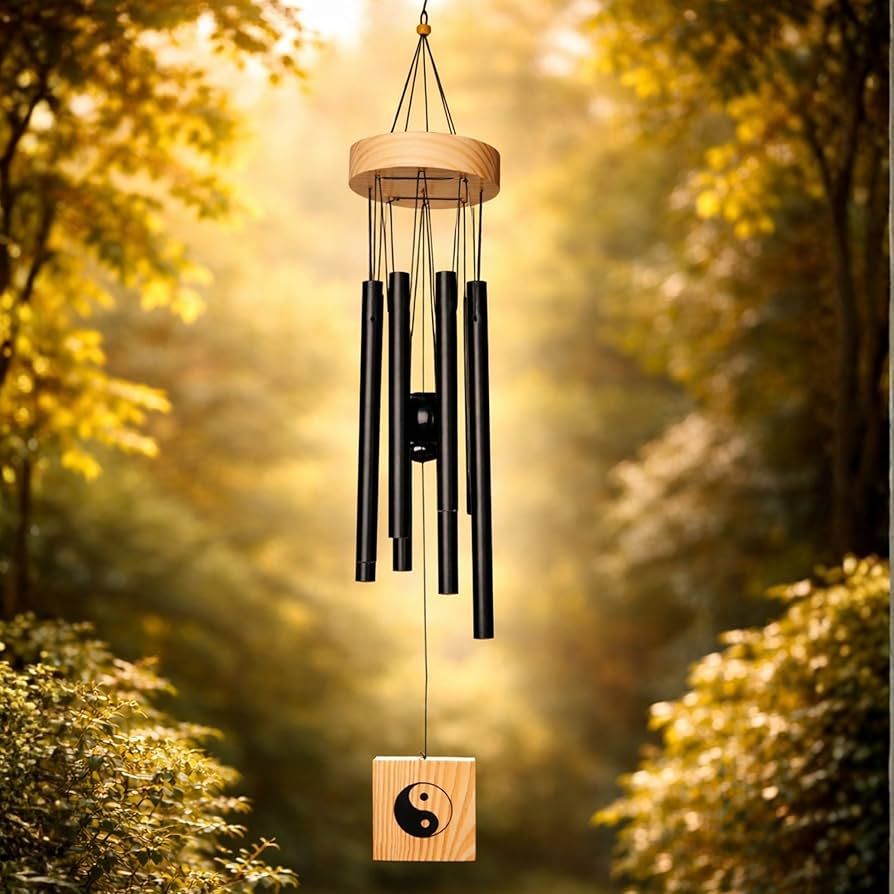
Meaning and Symbolism Wind chimes attract positive chi through sound and movement. According to Feng Shui, their gentle tinkling breaks up stagnant energy, invites fresh flow into the home, and softens harsh energies from nearby structures like sharp building corners or busy roads.
Benefits According to Feng Shui It is believed that metal wind chimes hung at the entrance ward off negative energy and welcome prosperity. Bamboo wind chimes are associated with growth and health, while ceramic ones promote grounding and stability.
Best Placement Near the main entrance, either inside or outside, is the most classical placement. West or northwest placement activates helpful people and travel luck. Avoid hanging wind chimes in the centre of the home or above sleeping or dining areas.
Where NOT to Place It Do not hang metal wind chimes in the east or southeast, as metal energy is thought to cut through the wood energy those sectors need. Avoid bedrooms, as constant sound disturbs rest.
Suitable Room: Entrance, balcony, porch, living room corner
Modern Decor Relevance Minimalist silver or bronze wind chimes with clean tube designs work beautifully in contemporary entryways and open balconies.
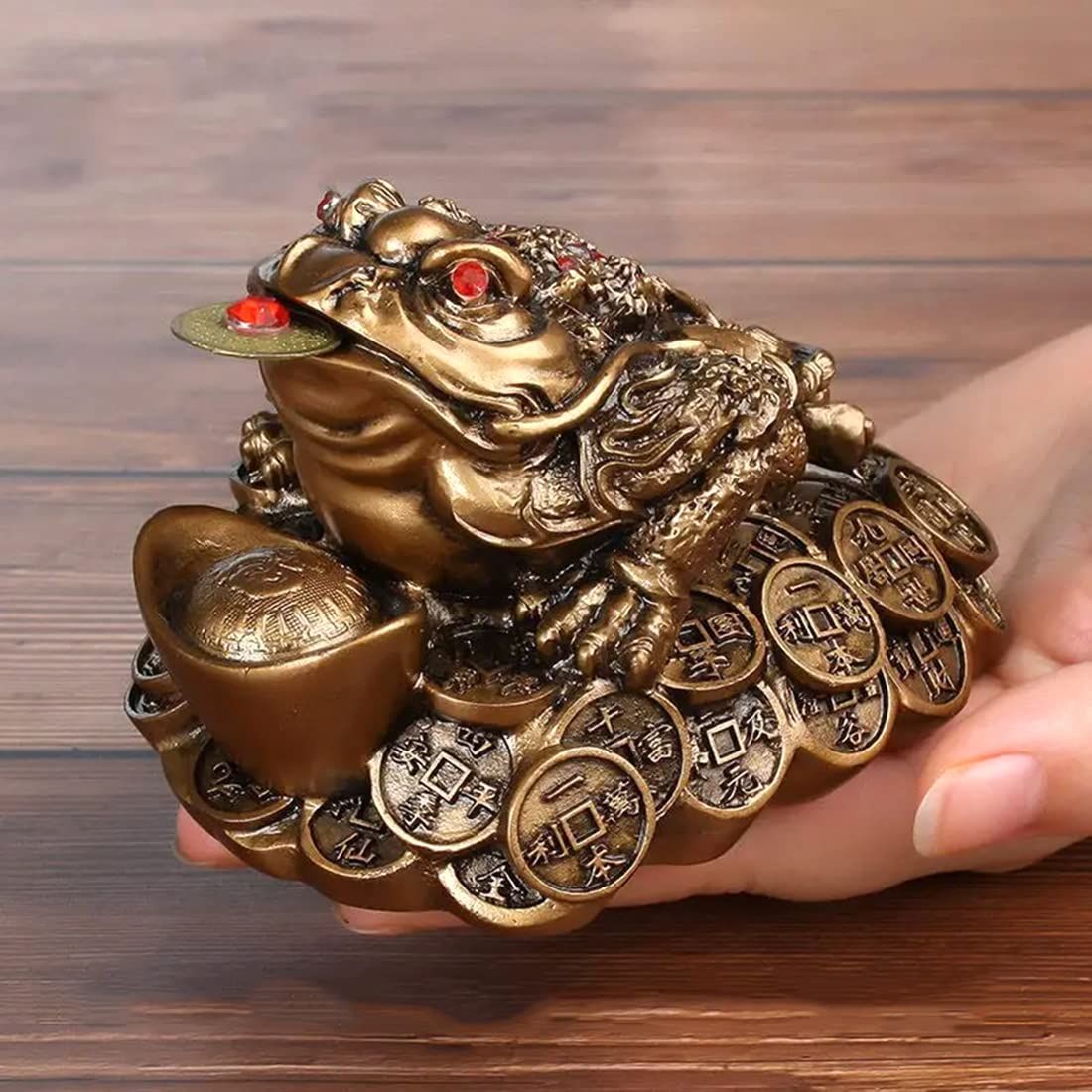
Meaning and Symbolism The Money Frog, or Chan Chu in Chinese, is a three-legged toad typically depicted sitting on a bed of coins with a coin in its mouth. In Chinese folklore, this creature appears on the night of a full moon near homes that will soon receive good news related to wealth.
Benefits According to Feng Shui It is believed to attract money, protect existing wealth, and bring ongoing financial prosperity. The coin in its mouth should ideally face inward to symbolise money being brought into the home.
Best Placement Place the Money Frog diagonally across from the main entrance, looking inward and never facing the door directly. This positioning is believed to draw money in rather than let it escape. The southeast wealth corner is another ideal spot.
Where NOT to Place It Never place the Money Frog in the bedroom, bathroom, kitchen, or directly facing the main door. Also, do not place it on the floor as that is considered disrespectful and negates its energy.
Suitable Room: Living room, office, near the wealth corner
Modern Decor Relevance A gold or jade-finished Money Frog on a small decorative dish adds a curated, collected feel to bookshelves and office desks.
Check this:- House Facing Direction in Vastu Shastra: Meaning, Methods & Room-Wise Guidelines
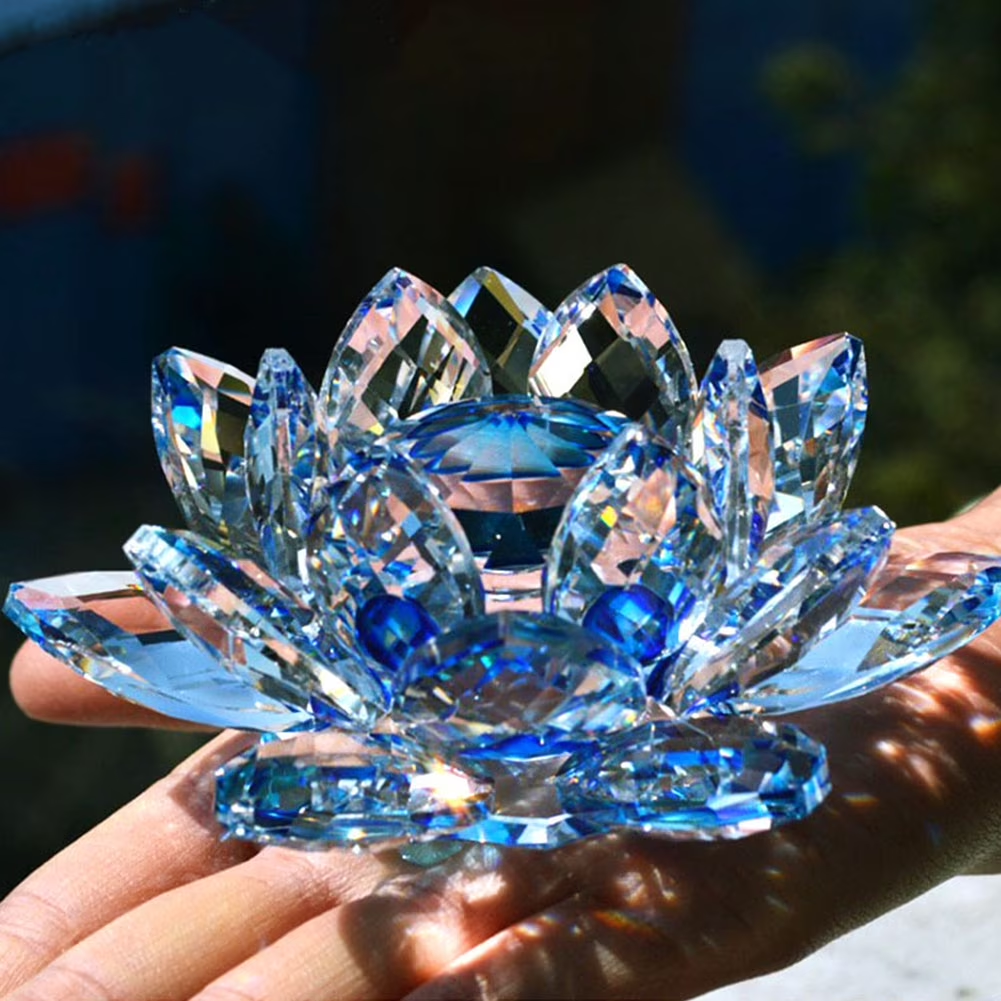
Meaning and Symbolism The lotus flower rises from muddy water to bloom in perfect purity, making it one of the most powerful symbols of spiritual transformation, resilience, and beauty in both Buddhist and Feng Shui traditions. A crystal lotus combines this symbolism with the energy-amplifying properties of crystal.
Benefits According to Feng Shui It is believed to attract inner peace, creative inspiration, and spiritual growth. When placed in the wealth corner, it is thought to amplify prosperity. Rose quartz crystal lotus is particularly associated with love and harmony, while clear quartz is linked to clarity and abundance.
Best Placement The centre of a coffee table, a meditation space, or the southeast corner of the living room. In a bedroom, a rose quartz lotus near the relationship corner (southwest) is considered supportive for couples.
Where NOT to Place It Avoid cluttered shelves where the crystal cannot be seen clearly, as blocked visibility is thought to block its energy.
Suitable Room: Living room, meditation space, bedroom, study
Modern Decor Relevance Crystal lotus figurines in pale pink or clear glass look stunning on coffee tables, windowsills, and vanity surfaces in contemporary and bohemian interiors.
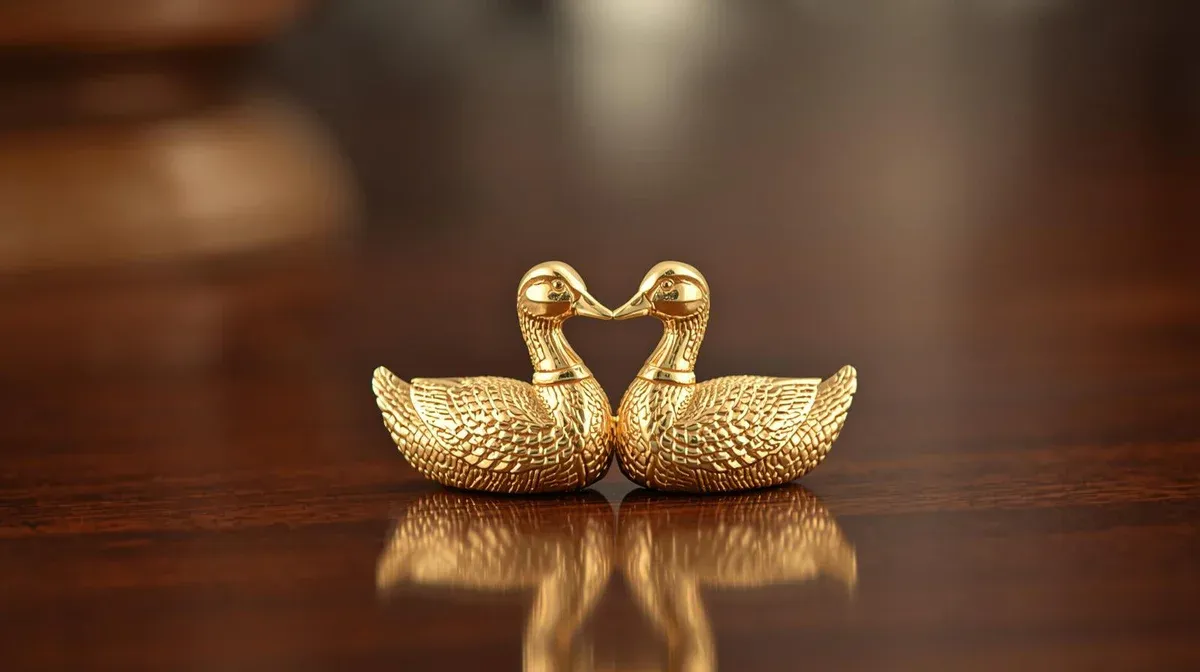
Meaning and Symbolism Mandarin ducks are famous in nature for their strong pair bonds, which is why they have become the defining Feng Shui symbol for romantic love, fidelity, and partnership. They are always placed in pairs, never singly.
Benefits According to Feng Shui It is believed that a pair of Mandarin ducks placed in the southwest of the bedroom invites lasting romance, deepens an existing relationship, and supports single people in finding a committed partner.
Best Placement The southwest sector of the bedroom is the relationship corner in Feng Shui. Place the ducks there, facing each other, at roughly the same height. They should be made of wood, ceramic, or crystal, not metal, as metal is considered incompatible with the earth energy of the southwest.
Where NOT to Place It Never separate the pair. Avoid placing them in the kitchen, bathroom, or facing apart from each other. Placing them in the living room is not harmful but is less effective for relationship activation.
Suitable Room: Bedroom (southwest corner)
Modern Decor Relevance Ceramic Mandarin ducks in muted, earthy glazes make a sophisticated bedside accent that does not read as overly traditional.
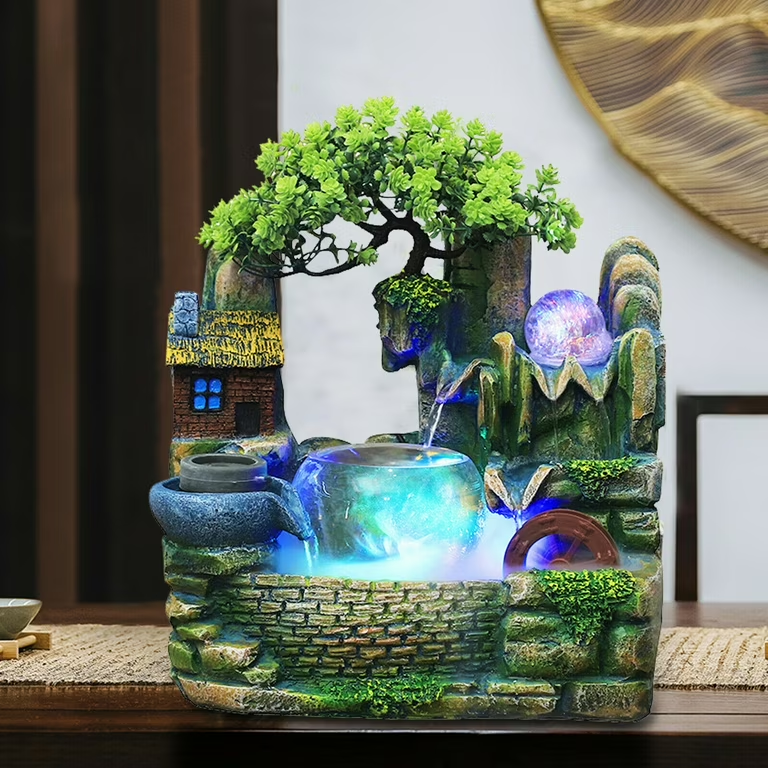
Meaning and Symbolism Water is the element most directly associated with wealth in Feng Shui. A flowing water fountain mimics the movement of a natural stream, which in classical Feng Shui thought represents money flowing toward you. Stagnant water, by contrast, represents stagnant or departing wealth.
Benefits According to Feng Shui It is believed that a moving water feature near the entrance or in the north (career zone) activates wealth luck and career opportunities. The continuous circulation of water is thought to keep positive chi lively and productive.
Best Placement Near the main entrance (inside the home, to the left as you enter), in the north sector for career, or the southeast for wealth. The sound of water is also believed to calm the mind and reduce stress, making fountains functional as well as symbolic.
Where NOT to Place It Avoid placing water features in the bedroom (disrupts rest and is associated with emotional turbulence), the kitchen, or the southwest relationship corner. Never let the water run dry or become dirty.
Suitable Room: Living room, entrance hall, office
Modern Decor Relevance Tabletop stone or ceramic fountains are a popular addition to living rooms and offices, offering both visual calm and white noise that improves focus.
Alco Check:- Griha Pravesh Muhurat 2026: Complete Guide to Auspicious Dates and Rituals
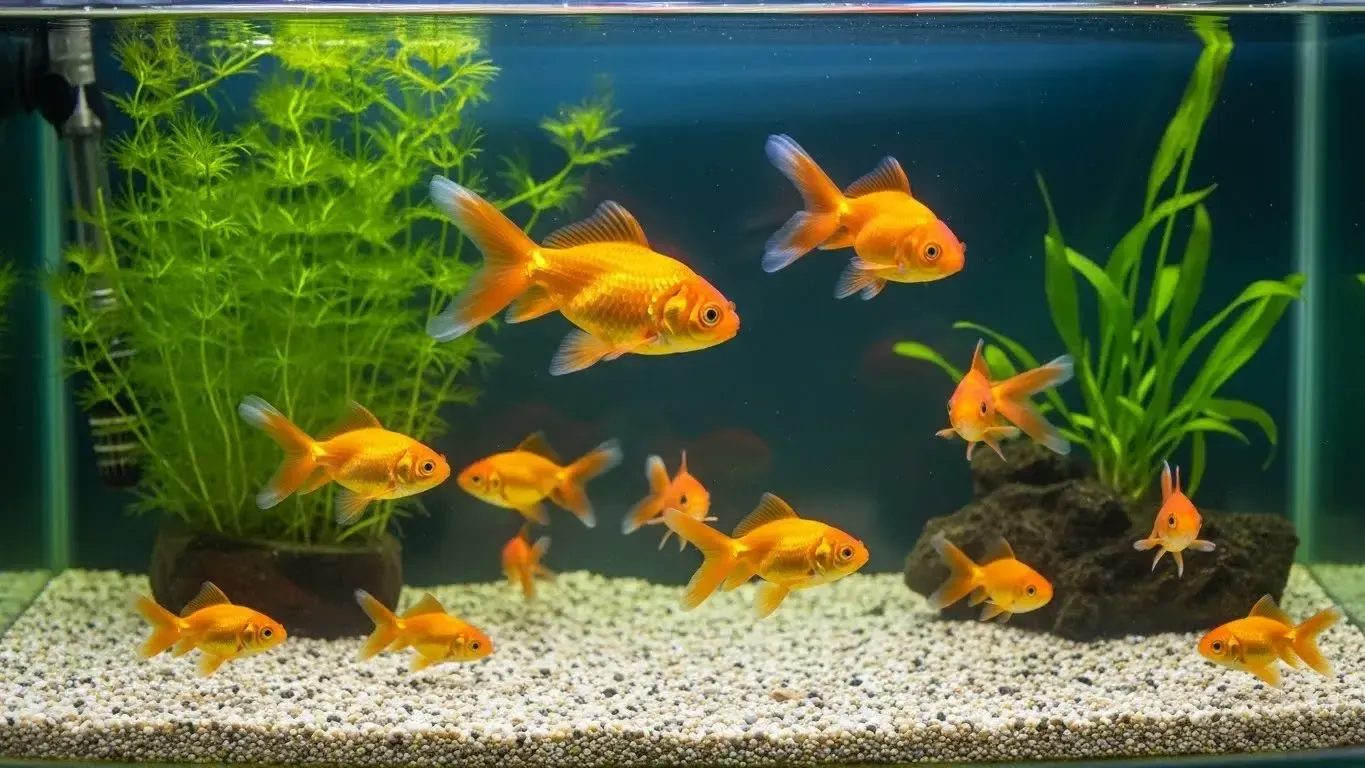
Meaning and Symbolism Goldfish, particularly because of their gold colouring, have long been associated with wealth and abundance in Chinese culture. In Feng Shui, the combination of water (wealth element) and vibrant, healthy fish (living chi) makes an aquarium one of the most powerful wealth activators available.
Benefits According to Feng Shui It is believed that a well-maintained aquarium with healthy fish attracts financial opportunities, keeps energy lively, and absorbs negative chi that might otherwise affect the household. The number nine is considered ideal: eight goldfish and one black fish to absorb any misfortune.
Best Placement The southeast (wealth zone) or north (career zone) of the living room. Near the entrance of a home or business is also a classical recommendation.
Where NOT to Place It Never place an aquarium in the bedroom (water energy is too stimulating for rest), kitchen, or bathroom. If a fish dies, replace it promptly, as a dead fish is believed to have absorbed negative energy that would otherwise have affected the family.
Suitable Room: Living room, office, entrance
Modern Decor Relevance Rimless aquariums with minimalist aquascaping have become a mainstream design statement that works in contemporary, mid-century modern, and Scandinavian interiors.
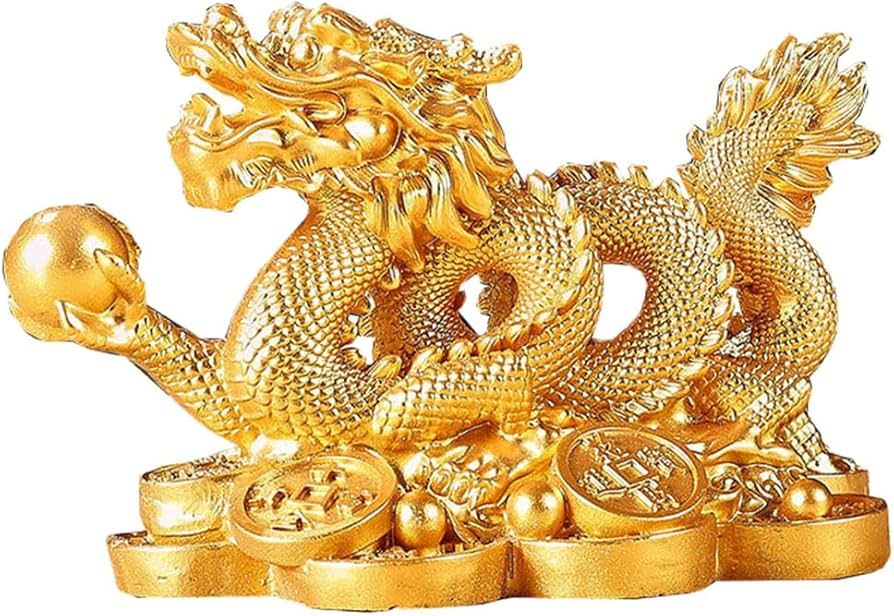
Meaning and Symbolism Unlike Western mythology where the dragon is a symbol of destruction, in Chinese tradition the dragon is the ultimate symbol of power, good fortune, protection, and imperial authority. It is believed to bring blessings and activate the yang energy (active, positive force) in a space.
Benefits According to Feng Shui It is believed that the dragon energises a space, protects the occupants from negative influences, and supports success in career and business. A dragon paired with a phoenix represents a perfect balance of masculine and feminine energy and is a powerful symbol for couples and partnerships.
Best Placement The east sector, associated with health and family, is the classical home of the dragon in Feng Shui. Place the dragon figure facing into the room, never toward a wall or a window. In a business, the dragon should overlook the space from a position of authority.
Where NOT to Place It Do not place the dragon in the bedroom, bathroom, or on the floor. Avoid placing it below eye level as this is considered disrespectful to the symbol's energy.
Suitable Room: Living room (east wall), office, study
Modern Decor Relevance A sculptural jade or celadon ceramic dragon makes a compelling collector's piece that is equally at home in a gallery-style living room.
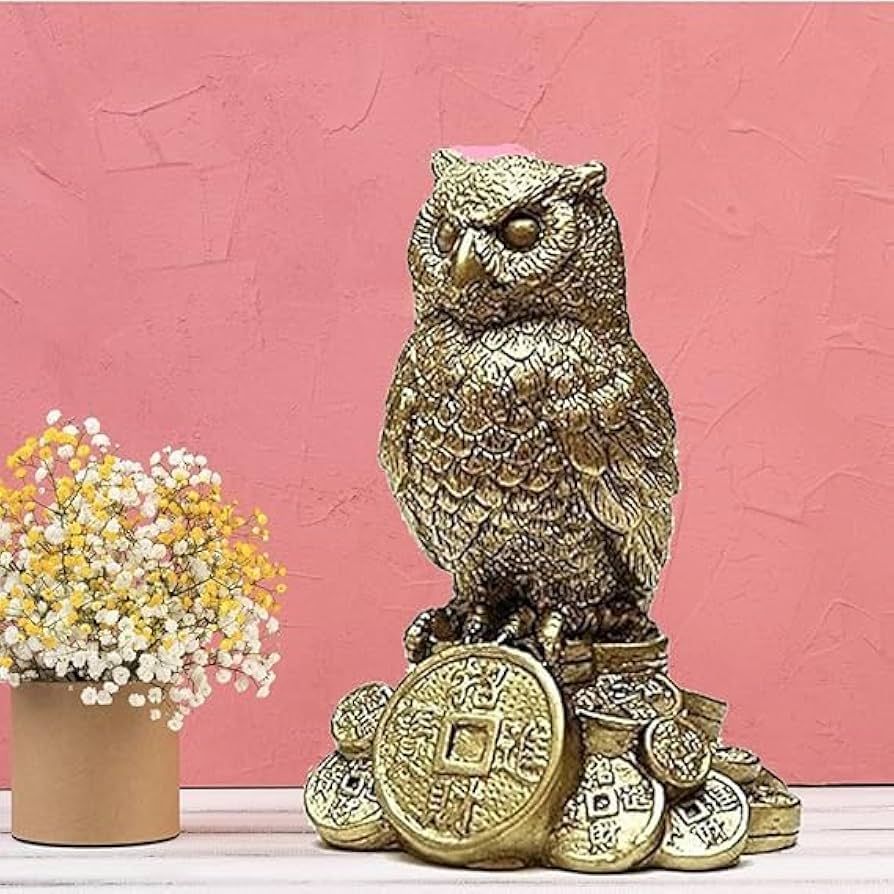
Meaning and Symbolism While the owl carries different cultural meanings across the world, in Feng Shui it is primarily associated with wisdom, knowledge, protection, and the ability to see through deception. It is a guardian symbol that is believed to prevent misfortune and support intellectual endeavours.
Benefits According to Feng Shui It is believed that an owl figurine placed in the study or home office enhances concentration, supports academic achievement, and protects against financial loss. As a nocturnal creature, the owl is also associated with keeping watch over the home at night.
Best Placement A study, home office, or library. The northeast sector of the home, which relates to knowledge and learning in Feng Shui, is an especially appropriate placement. Near bookshelves or a work desk is ideal.
Where NOT to Place It Avoid placing the owl in the bedroom, as its watchful energy is considered too alert and active for a restful space. Some schools of Feng Shui associate the owl with inauspicious energy if placed facing south.
Suitable Room: Study, home office, library, northeast corner
Modern Decor Relevance Owl figurines in ceramic, brass, or stone are widely available and fit effortlessly into eclectic, vintage, and academic-inspired interiors.
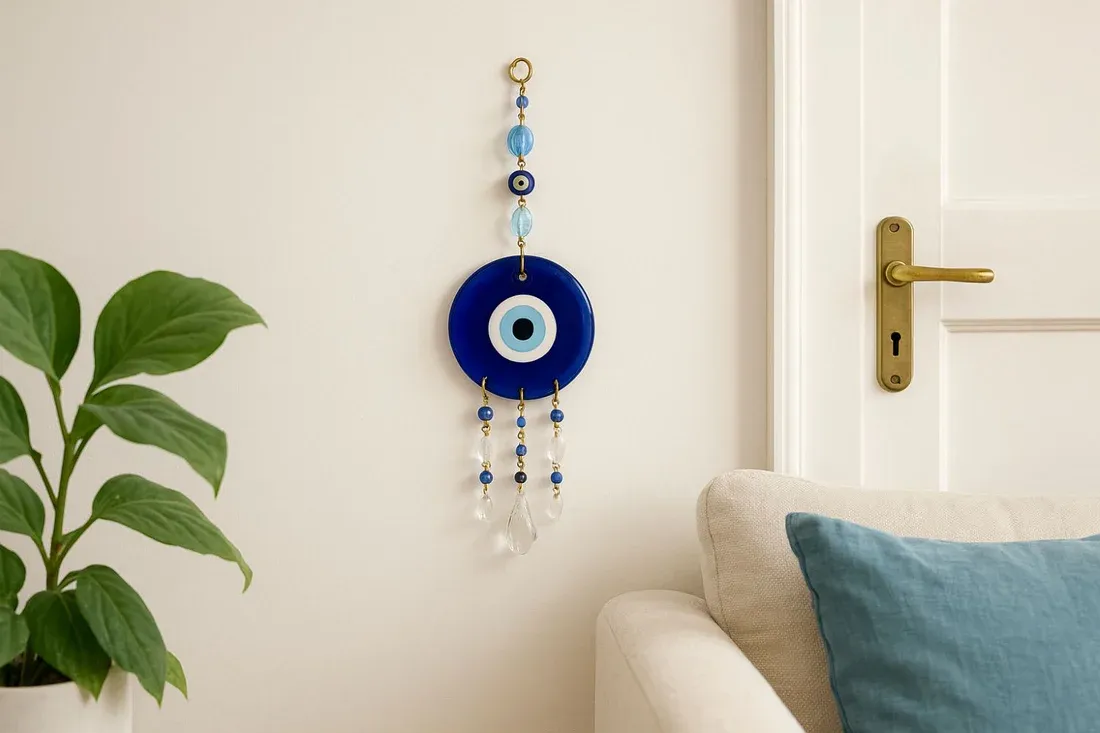
Meaning and Symbolism The evil eye, known as Nazar in Turkish and many Middle Eastern traditions, is a protective amulet believed to deflect negative energy, envy, and ill intent. While it originates outside of classical Feng Shui, it has been widely absorbed into modern spiritual home decor practices because of its strong protective symbolism.
Benefits According to Feng Shui and Global Traditions It is believed to act as a shield against negative intentions directed at the household, protecting the family's health, wealth, and relationships from the jealousy of others.
Best Placement Near the main entrance, either hung on the front door or displayed in the entrance hallway. A wall-mounted evil eye above a doorway is the most common and traditional placement.
Where NOT to Place It Avoid placing the evil eye in the kitchen or bathroom, where the symbolism feels inconsistent with the protective intention. Broken evil eye pieces should be discarded immediately, as a broken amulet is said to have absorbed a negative energy hit.
Suitable Room: Entrance, living room wall, bedroom
Modern Decor Relevance Blue and white evil eye wall hangings, ceramic plates, and glass ornaments are among the most commercially popular home decor items currently available, appearing in everything from minimalist Airbnbs to maximalist gallery walls.
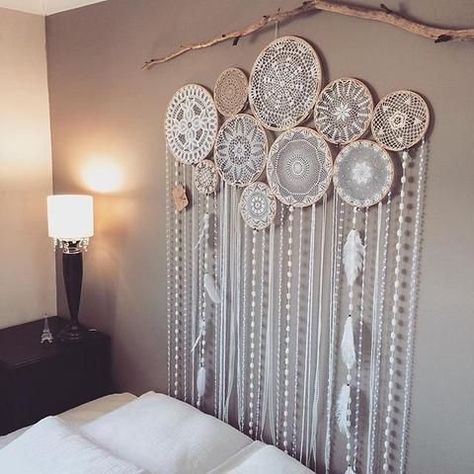
Meaning and Symbolism Originating from Native American traditions, particularly those of the Ojibwe people, the dream catcher was traditionally hung above a sleeping area to filter dreams, allowing positive ones to pass through the central web while trapping nightmares. In contemporary Feng Shui-influenced home decor, dream catchers are used to clear negative energy and promote restful, peaceful sleep.
Benefits in Feng Shui-Inspired Use It is believed to create a calmer energy in sleeping spaces, encourage positive thoughts, and offer a gentle protective barrier against unsettling energy.
Best Placement Above the bed or near the bedroom window where it can catch morning light. South or southeast-facing windows are considered ideal in Feng Shui.
Where NOT to Place It Avoid placing dream catchers in the kitchen, bathroom, or living areas where they have no functional symbolic context according to their traditional use.
Suitable Room: Bedroom, nursery, meditation room
Modern Decor Relevance Handwoven dream catchers in neutral tones with dried florals, feathers, and beads are a beloved Boho and Japandi interior accent.
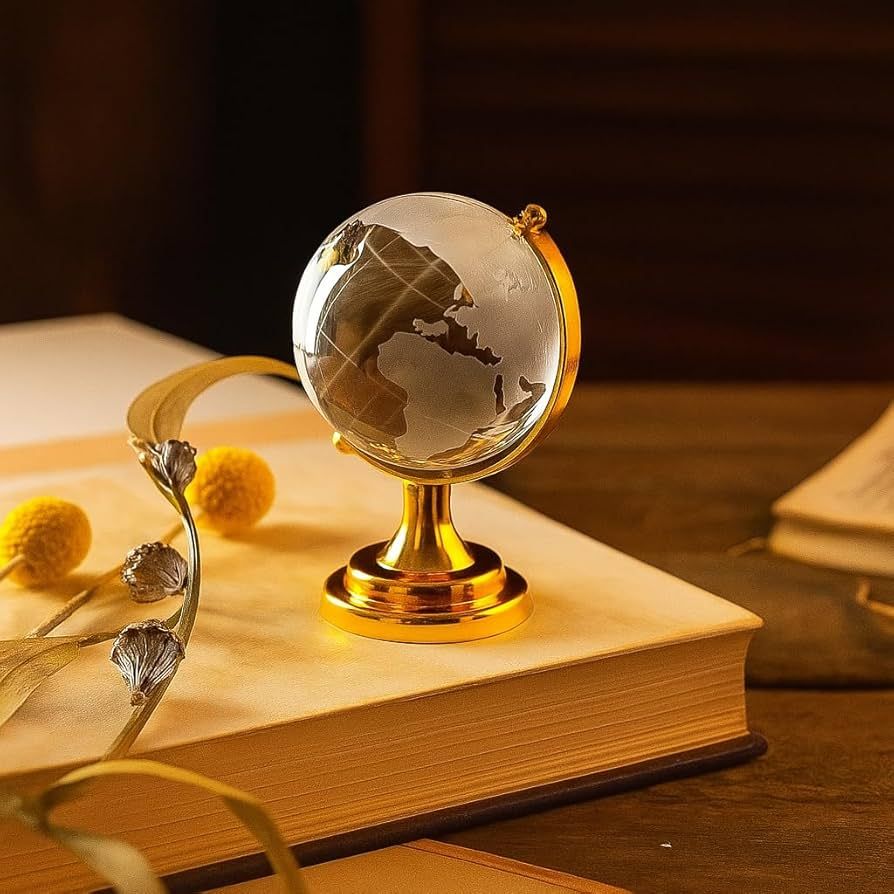
Meaning and Symbolism A crystal globe represents the world and all the opportunities within it. In Feng Shui, spinning a crystal globe is believed to set positive energy in motion and activate all the life areas mapped on the Bagua simultaneously.
Benefits According to Feng Shui It is believed to improve academic results, broaden horizons, support career growth, and invite travel opportunities. For students and professionals, it is particularly recommended as a desk accessory.
Best Placement On a study desk or in the northeast (knowledge zone) or northwest (helpful people and travel zone) of the room. Gently spinning it once a day while setting a positive intention is a common practice.
Where NOT to Place It Avoid placing it on an unstable surface where it may roll and fall. Do not leave it in direct sunlight near flammable materials, as crystal globes can focus light.
Suitable Room: Study, office, library, living room
Modern Decor Relevance A crystal or glass globe on a wooden or brass stand is an elegant desk object that reads as intellectual and refined in any contemporary workspace.
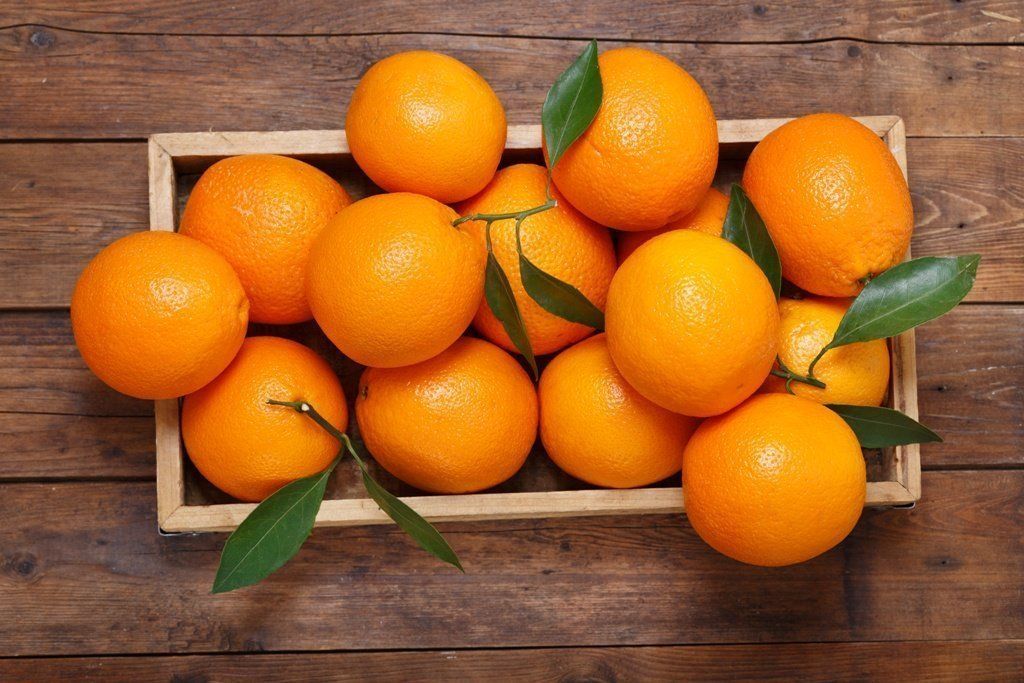
Meaning and Symbolism In Chinese culture, oranges are one of the most accessible and traditional symbols of good luck. Their bright colour evokes gold and abundance, and their name in Mandarin is a near-homophone for the word meaning luck. A bowl of fresh oranges placed in the home is one of the simplest Feng Shui items for prosperity that anyone can practice.
Benefits According to Feng Shui It is believed to invite wealth energy, brighten the atmosphere of a space, and keep the chi lively and welcoming. Nine oranges are considered especially auspicious.
Best Placement The kitchen, dining table, or entrance are all appropriate. The southeast wealth corner of the living room or dining area is the most energetically intentional choice.
Where NOT to Place It Remove and replace any fruit that begins to rot immediately. Decaying fruit in a Feng Shui context is considered to represent decaying fortune.
Suitable Room: Kitchen, dining room, living room, entrance
Modern Decor Relevance A ceramic or wooden bowl filled with bright oranges is effortlessly stylish in a farmhouse, Mediterranean, or warm contemporary kitchen.
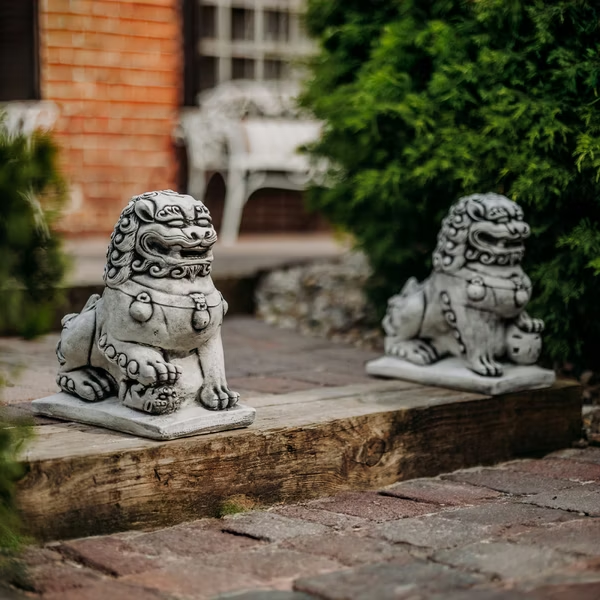
Meaning and Symbolism Foo Dogs, also called guardian lions, are the stone or ceramic lion-dog sculptures found outside temples, palaces, and traditional Chinese homes. They are always placed in pairs: the male lion resting his paw on a ball represents the world, while the female resting her paw on a cub represents the family. Together they are believed to guard the space against negative energy and misfortune.
Benefits According to Feng Shui It is believed that Foo Dogs protect the home from harmful energy, bad luck, and negative people entering the space. They are among the most powerful protective Feng Shui items available.
Best Placement At the main entrance, either just inside or just outside the front door, flanking either side. The male (ball under paw) should be on the left as you face outward, and the female (cub under paw) on the right.
Where NOT to Place It Never place them inside the home facing inward toward the family space. Do not put them in the bedroom or kitchen. A single Foo Dog without its pair is considered ineffective and potentially imbalanced.
Suitable Room: Entrance (both sides of main door)
Modern Decor Relevance Matte ceramic or concrete guardian lions in grey or white work beautifully in modern minimalist entryways, offering sculptural interest with protective symbolism.
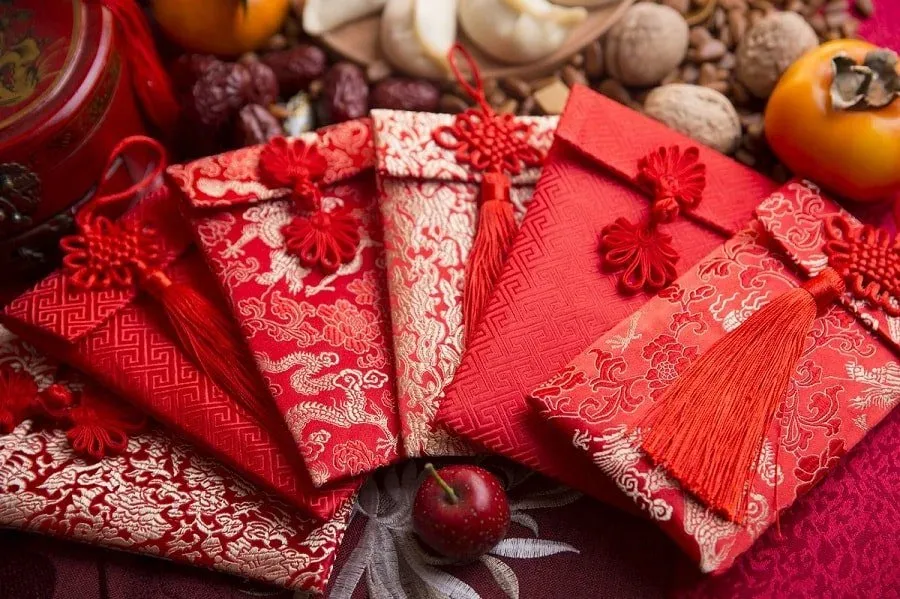
Meaning and Symbolism The red envelope (Hongbao in Mandarin) is a cornerstone of Chinese cultural tradition. Red is the colour of luck, celebration, and protection in Chinese symbolism. Red envelopes filled with money are given during Chinese New Year, weddings, and birthdays to pass good fortune from one person to another.
Benefits According to Feng Shui Keeping a red envelope containing a small sum of money, a Feng Shui coin, or a handwritten wish in the wealth corner of your home is believed to activate and hold financial energy in the space.
Best Placement In the southeast wealth corner of the home, inside a wallet, or near important financial documents. In a business context, placing a red envelope near the cash register or accounting area is considered auspicious.
Where NOT to Place It A red envelope that has been opened and emptied is believed to have released its energy. Use a new one each year or each major intention cycle.
Suitable Room: Living room wealth corner, office, bedroom (wealth corner)
Modern Decor Relevance Decorative red envelopes with gold patterns make beautiful seasonal decor during Chinese New Year and are increasingly used as meaningful gifting accessories year-round.
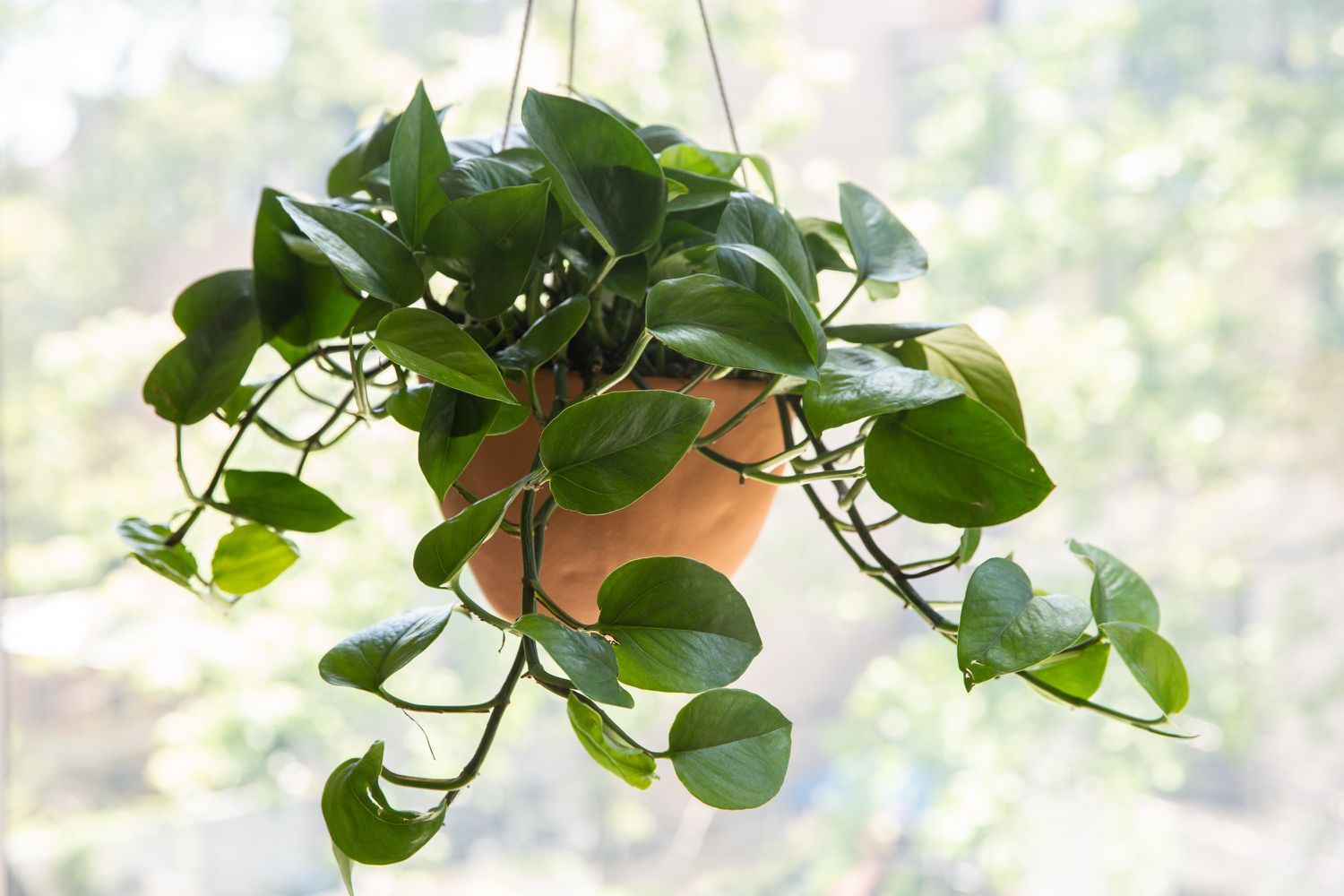
Meaning and Symbolism The money plant, most commonly referring to Pothos (Epipremnum aureum) or the Jade Plant (Crassula ovata) in Indian and East Asian Feng Shui traditions, is believed to attract financial luck through its lush, growing energy. The Jade Plant in particular, with its round coin-shaped leaves, is a direct visual metaphor for accumulating wealth.
Benefits According to Feng Shui It is believed to bring financial growth, activate the wood element's upward energy, and purify the air within the home. The larger and healthier the plant, the stronger its positive energy contribution is thought to be.
Best Placement The southeast wealth corner of the living room or home office is ideal. Near the entrance of the home allows the plant to greet incoming energy and draw prosperity inward.
Where NOT to Place It Avoid placing money plants in the bedroom if you find the growing energy too stimulating for sleep. Most importantly, never let the plant die or become sickly, as a dying plant is believed to pull energy downward rather than lift it.
Suitable Room: Living room, office, entrance, southeast corner of any room
Modern Decor Relevance A Jade Plant in a terracotta or ceramic pot is one of the most popular succulent choices for contemporary interiors and requires minimal care, making it practical as well as symbolic.
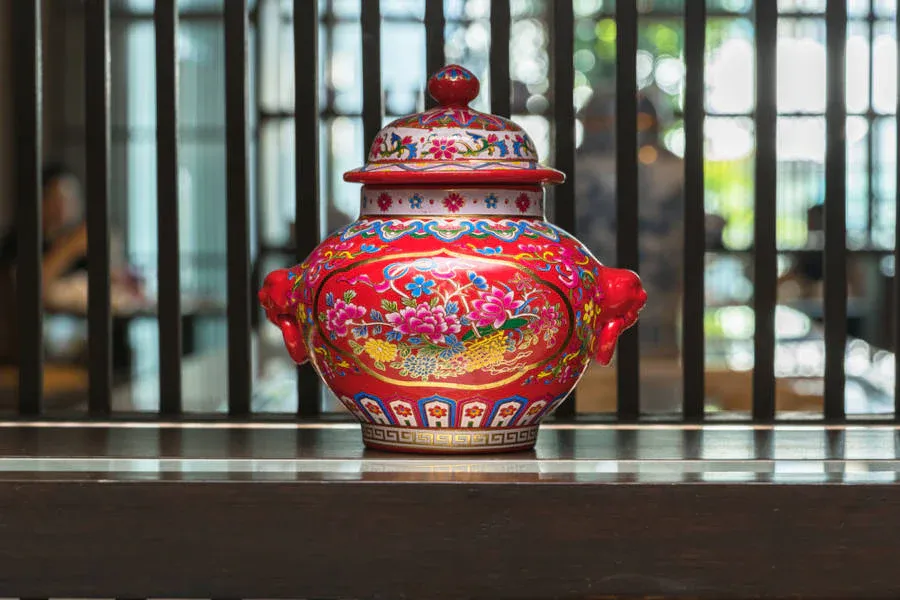
Meaning and Symbolism The Feng Shui wealth vase is a less commonly known but deeply traditional item, especially valued in Tibetan Feng Shui. It is a decorative vase filled with specific items believed to attract and hold financial energy: semi-precious stones, coins, herbs, soil from a prosperous place, miniature gold ingots, and sometimes a hand-written prosperity wish.
Benefits According to Feng Shui It is believed to create a permanent reservoir of wealth energy in the home, holding and accumulating prosperity over time. Unlike items that merely attract energy, the wealth vase is thought to store it.
Best Placement The southeast wealth corner of the living room or master bedroom, kept partially hidden and not on public display. The vase should be sealed once filled and left undisturbed.
Where NOT to Place It Avoid the bathroom, kitchen, or any high-traffic area where the vase might be disturbed or knocked over. The items inside should never be removed casually.
Suitable Room: Living room (wealth corner), master bedroom, study
Modern Decor Relevance A beautifully glazed ceramic vase that doubles as a wealth vase can be a stunning piece of decor that guests admire for its aesthetics without ever knowing its deeper purpose.
Declutter Consistently Clutter is the single greatest obstacle to positive chi flow. Piles of unused objects, broken items, and overcrowded shelves create stagnant energy that is believed to block financial and personal growth. A thorough decluttering is the foundation of any Feng Shui improvement.
Activate the Wealth Corner The southeast corner of your home or any given room is the wealth zone in classical Feng Shui. Place a money plant, crystal, or wealth-related symbol there and keep the area clean, well-lit, and free of broken or dusty objects.
Treat Your Entrance as a Priority The main entrance of your home is where chi enters. A clean, welcoming, and well-lit entrance with fresh energy is believed to set the tone for everything that follows. Remove shoes and clutter, add a small plant or wind chime, and ensure the door opens fully without obstruction.
Maximise Natural Light and Ventilation Chi needs air and light to stay vibrant. Dark, poorly ventilated rooms accumulate heavy, slow-moving energy. Open windows regularly, use mirrors strategically to reflect light, and keep artificial lighting warm and even throughout the home.
Wrong Placement The most common and impactful mistake. A wealth symbol placed in the bathroom or a protective item on the floor undermines the entire intention. Always research the recommended direction and room before placing any item.
Using Too Many Feng Shui Items More is not better. Filling every corner with symbols creates visual clutter, which is itself a Feng Shui problem. Choose a small number of items that resonate with your intentions and place them thoughtfully.
Keeping Broken or Damaged Items A cracked crystal, a chipped Laughing Buddha, or a fountain that has stopped working is believed to carry disrupted energy. Broken items should be repaired if possible or respectfully discarded.
Ignoring Room Suitability Not every item works in every room. Water features in bedrooms, dragon symbols in bathrooms, and Mandarin ducks in kitchens are all commonly cited placement errors that are believed to neutralise or reverse the item's intended effect.
Buying Items Without Intention According to many Feng Shui practitioners, the intention behind placing an item matters as much as the item itself. Buying a Laughing Buddha purely because it looks decorative, without any understanding of what you are asking it to represent, is considered less effective than placing it with a specific, positive intention in mind.
The living room is the social hub of the home and benefits from items that promote prosperity, warmth, and positive social connections. A Laughing Buddha facing the entrance, a goldfish aquarium in the southeast, a Feng Shui fountain in the north, and a dragon symbol on the east wall are all powerful combinations.
The bedroom calls for gentler, more restorative energy. Mandarin ducks for relationship harmony, a crystal lotus for calm and spiritual connection, and a dream catcher above the bed are suitable choices. Avoid water features, dragons, and active-energy items in this space.
Career and creative ambitions are supported by a Feng Shui tortoise in the north, a crystal globe on the desk, lucky bamboo to the left of your workstation, and a small bowl of Feng Shui coins in the southeast corner.
The entrance deserves maximum attention. Fu Dogs flanking the door, a wind chime just inside, a small bowl of oranges or a thriving plant near the door, and an evil eye hung above the frame together create a powerfully welcoming and protected entry point.
Regular Dusting Dust accumulation is associated with stagnant energy. Crystal items, figurines, and fountain surfaces should be wiped regularly with a soft cloth.
Energy Cleansing Crystals and figurines can be energetically cleansed by placing them in sunlight for a few hours, using a singing bowl nearby, or passing them through the smoke of sage or incense. This practice is believed to reset the item's energy, especially after periods of stress or conflict in the home.
Water and Plant Care Fountains should have their water changed weekly. Lucky bamboo water should be refreshed every one to two weeks. Any plant showing signs of poor health should be tended to immediately, as declining plants are thought to carry declining energy.
Discard Without Guilt If an item is broken beyond repair, or if its energy simply no longer feels right to you, it is entirely appropriate to thank it for its service and let it go. Feng Shui is not about accumulation; it is about intentional, living energy.
Feng Shui works best when it enhances, rather than overrides, a home's practical comfort and aesthetic character. The goal is not a home filled with symbolic objects that look out of place or feel imposed, but a space where every object has meaning, function, or beauty, and ideally all three.
Modern homeowners increasingly find that many Feng Shui items are genuinely beautiful in their own right. A crystal lotus on a coffee table, a goldfish aquarium as a room divider, a ceramic fountain in a reading nook, these choices make design sense independent of their symbolic intent.
The healthiest approach is to use Feng Shui as a framework for mindful, intentional living rather than as a rigid rulebook. If a placement recommendation genuinely makes a space feel better, calmer, and more energised, it has done its job whether or not you subscribe to the underlying philosophy.
Feng Shui items for good luck and prosperity are more than decorative objects. According to a tradition that has shaped homes and cities for thousands of years, they are tools for inviting positive energy, protecting what matters, and creating an environment that actively supports your wellbeing and ambitions.
The twenty items in this guide cover a wide range of intentions: wealth, protection, love, career, knowledge, and peace. No single item guarantees a specific outcome, and Feng Shui itself is clear that personal effort and a positive mindset remain the most important factors in any life. What these items offer is a framework of intention, a way of arranging your environment so that every corner of your home is oriented toward something you value.
Start with one or two items that feel genuinely meaningful to you, place them thoughtfully, keep them well maintained, and observe how your relationship with your space shifts. That quiet shift in how a home feels is, in many ways, exactly what Feng Shui has always been about.
According to Feng Shui tradition, the most commonly recommended items for attracting wealth are the Money Frog, a goldfish aquarium, Feng Shui coins tied with red string, and a thriving money plant placed in the southeast (wealth) corner of the home. A flowing water fountain near the entrance is also considered one of the most powerful wealth activators.
Placement depends on the specific item and its intended purpose. Wealth-related items generally belong in the southeast corner. Career items go in the north. Relationship symbols work best in the southwest of the bedroom. Protective items like Fu Dogs and evil eye are most effective at the main entrance.
Fu Dogs flanking the entrance provide the strongest protective energy. A wind chime just inside the door attracts positive chi. A small lucky bamboo arrangement or a bowl of oranges near the entrance is welcoming and auspicious. An evil eye hung above the door frame offers additional protection.
Feng Shui is a traditional belief system, not a scientifically verified practice. Many people report feeling a genuine shift in the atmosphere and energy of their homes after applying Feng Shui principles, which may be partly explained by the psychological effect of intentional, mindful arrangement. Whether the effects are energetic or psychological, creating a space that feels ordered, beautiful, and intentional has real benefits for mental wellbeing.
Lucky bamboo is the most universally recognised lucky plant in Feng Shui. The Jade Plant, with its round, coin-shaped leaves, is closely associated with financial luck. Money plant (Pothos) is also widely used and is believed to purify the energy of a space while attracting prosperity.
Yes, but with care. Gentle items like crystal lotus, Mandarin ducks, and dream catchers are well-suited to the bedroom. Active or yang-energy items such as water fountains, goldfish aquariums, dragon symbols, and wind chimes are generally better kept out of the bedroom to maintain the space's restful quality.
Quality and intentionality matter far more than quantity. Having fifteen Feng Shui items scattered haphazardly creates clutter, which is itself considered a Feng Shui problem. It is better to choose five or six items that resonate with your specific intentions and place them thoughtfully in appropriate zones.
A broken Feng Shui item is believed to have absorbed negative energy rather than deflected it successfully, which is sometimes interpreted as the object having done its protective job. Broken items should not be kept; they should be respectfully discarded and replaced if the intention they served is still relevant.
Contact Us
Fill out this form
& we'll get back
to you
Recommended for you